Frequent workwear washers
You wash several sets of ordinary washable uniforms, overalls or sturdy work clothes each week. Compare drum space and programme options against the loads you regularly put through the machine.


For ordinary washable workwear, choose a machine with programmes that suit the garment labels and enough capacity for the loads you actually wash. Check installation space and energy information alongside drum size; potentially contaminated or protective garments may need workplace-approved handling rather than a routine home wash.
You wash several sets of ordinary washable uniforms, overalls or sturdy work clothes each week. Compare drum space and programme options against the loads you regularly put through the machine.
You wash workwear alongside towels, bedding or other bulky items. Rated capacity matters, but so do the exact machine’s depth, installation clearance and programme load limits.
High-visibility, flame-resistant, protective or potentially contaminated garments call for care checks before machine features. The Health and Safety Executive advises considering handling and decontamination where contamination is possible, while workwear maker Ballyclare warns that incorrect washing or drying can affect protective clothing.
Start with garment labels and any workplace laundering requirements, then match the machine’s capacity, programmes and dimensions to your usual loads.
| Concern | What to check | Who this matters to |
|---|---|---|
| Soil and contamination | Check permitted temperatures and programme options against the garment label. For possible workplace contamination, follow the applicable handling procedure rather than relying on a programme name. | If my work clothes are heavily soiled, I need a permitted cleaning method and a safe plan for any contamination; around 36% of consumers put cleaning and contamination handling first. |
| Load size | Compare rated capacity with your usual load, the limits of the programmes you would use and the machine’s installation depth. | I wash several uniforms or bulky items together and want to avoid choosing by a drum rating alone; around 29% of consumers prioritise getting recurring loads through the wash. |
| Technical-garment care | Check wash, detergent and drying instructions for each protective garment, including any employer or manufacturer aftercare requirements. | If I wear high-visibility or flame-resistant clothing, I need to preserve the care conditions attached to it; around 21% of consumers place technical-garment care first. |
| Everyday practicality | Compare energy-label information and usable cycle choices, then measure the space and check delivery and installation requirements. | When I wash workwear often in a limited space, the appliance has to fit and its cycle information has to be useful; around 14% of consumers put running and installation practicality first. |
Potentially contaminated clothing may require controlled handling. The Health and Safety Executive advises considering decontamination and how laundry is handled to prevent cross-infection; Ballyclare also warns that incorrect care can affect protective garments.
Separate ordinary washable clothes from garments with contamination or specialist-care requirements, and follow the garment and workplace instructions before selecting a domestic cycle.
A kg rating does not establish whether a machine fits its space or whether a particular programme accepts your full load. AEG, for example, specifies a 660mm maximum depth for its 9kg LFR62944B model.
Measure the intended space and access route, then compare capacity with the load limits and settings of the programmes you expect to use.
A programme name cannot override a garment label or a workplace contamination procedure. Incorrect washing or drying may affect protective clothing, according to Ballyclare.
Confirm that the exact garment permits the selected temperature, detergent, spin and drying method before using a specialist-sounding cycle.
Dimensions alone do not settle whether a machine can be delivered, connected and accommodated in the intended position.
Check the access route, water and drain connections, electrical requirements, and the retailer’s installation, disconnection and recycling terms before ordering.
Bosch is a reference point when comparing machine formats, capacities and programme options.
AEG’s LFR62944B offers a specific model to consider if prewash, extra rinse and load-related controls matter for permitted workwear loads.
Miele is relevant if automatic detergent dosing is a priority for frequent, variable loads.
A specific Hisense model offers a large-capacity point of comparison for bulky, ordinarily washable loads.
These machines offer different stated capacities for ordinary washable workwear. Compare each model’s programme settings with your garment labels and usual load before choosing; a domestic machine is not, by itself, a solution for specialist-care or potentially contaminated clothing.
 No image available
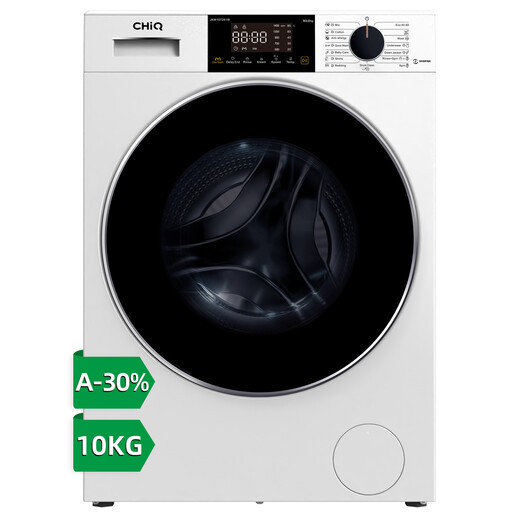
For recurring larger loads of ordinary washable workwear, compare its stated 10kg capacity with the size of your usual wash.
The product title lists a 1400rpm spin speed, inverter and steam feature. Check programme load limits and garment instructions before selecting a cycle.
 No image available
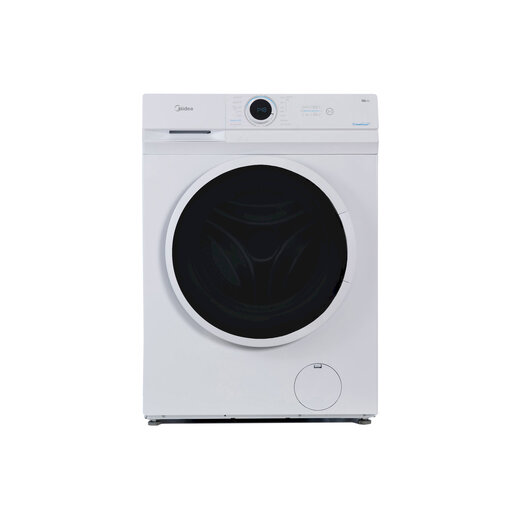
For smaller loads of ordinary washable workwear, check whether its stated 6kg capacity accommodates the items you normally wash together.
The product title lists a 1000rpm spin speed and D energy rating. Confirm the permitted settings and load limit for each programme you plan to use.
 No image available
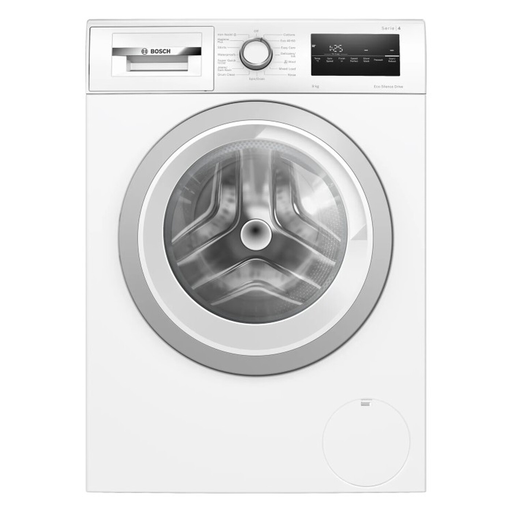
For regular multi-garment loads of ordinary washable workwear, compare the stated 9kg capacity with your typical load and available installation space.
The product title lists a 1400rpm spin speed and A energy rating. Check the exact model’s energy label, garment-compatible settings and programme load limits.
 No image available
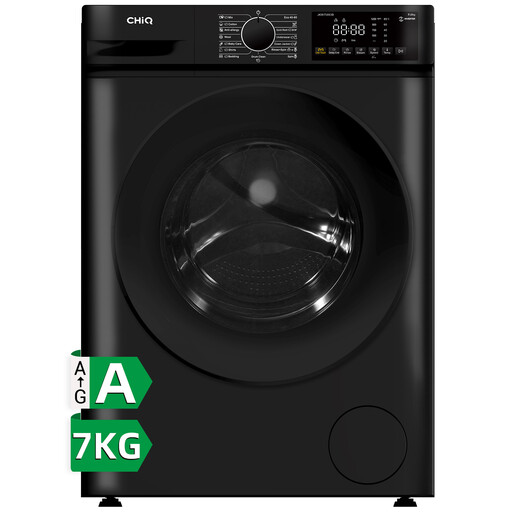
For ordinary washable workwear loads that fit its stated 7kg capacity, check the programmes against your garments before choosing this machine.
The product title lists a 1200rpm spin speed and A energy rating. Confirm installation clearance and the load limits of the cycles you intend to use.
No: a washable label alone does not settle whether home laundering is appropriate. Use the garment instructions and machine manual for ordinary work clothes; for possible contamination, follow workplace procedures and the handling considerations described by the Health and Safety Executive.
Follow the garment’s permitted temperature and the applicable workplace or garment-maker procedure rather than choosing one temperature for every item. The Health and Safety Executive treats temperature as one part of laundering and decontamination, not as a universal domestic wash setting.
Only if the garment’s care and protective-clothing instructions permit that programme’s settings. Ballyclare warns that incorrect washing or drying can damage technical workwear or affect its performance.
Compare the energy label and product information sheet for each exact machine, paying attention to the programme on which the figures are based. Check the programmes you would actually use for your garments rather than assuming that every cycle has the labelled programme’s figures.
Measure the intended position and delivery route, and check the exact machine’s dimensions, water and drain connections, electrical requirements and installation terms. Depth varies by model: AEG specifies a 660mm maximum depth for its LFR62944B, so its 9kg capacity alone would not establish whether it fits.