
24/7 全天候客户支持

免费退货

当日/次日达

品质保障

开启新人专享福利: 全场免邮 | 低至 2 折 | 免费试用 30 天 JoyPlus 会员
下载 Joybuy
A good washing up bowl is one of the most underrated items in a British kitchen. It’s not just a plastic tub; it’s a tool that can protect your sink, save water and make the daily chore of washing dishes that little bit easier. Yet, many of us have been let down by a bowl that cracks under the heat, scratches the sink it was meant to protect or is simply a pain to lift and empty.
Before you buy another one that’s destined for the bin in six months, it’s worth knowing the common pitfalls. Many bowls are made from flimsy plastic that warps or splits with hot water, while others have a rough base that leaves scuffs on ceramic or stainless steel. Perhaps the most common frustration is a design without proper handles, making the task of emptying a full, heavy bowl a risky balancing act.
As the Joybuy Product Recommendation Officer, my role is to help you sidestep these issues. This guide breaks down the essential features to look for, ensuring you choose a durable and practical washing up bowl that fits your kitchen and your needs.
Choosing the right bowl comes down to a few key factors. Paying attention to these details will ensure you get a product that performs well day after day.
The material is the foundation of a good bowl. A standard plastic washing up bowl is common, but not all plastics are created equal. Look for bowls described as durable or hard-wearing. Some are specifically noted as being heat-resistant up to 100°C, which means they can handle hot water from the tap without warping or becoming brittle.
For those looking to make more sustainable choices, an eco washing up bowl made from recycled plastics is an excellent option. These products reuse materials, reducing the demand for virgin plastic without compromising on strength or performance. A high-gloss finish is another feature to look for, as it makes the bowl easier to wipe clean and helps resist staining from things like tomato sauces or tea.
A bowl that doesn’t fit your sink is more of a hindrance than a help. Before buying, measure your sink’s internal dimensions. A rectangular washing up bowl is often the most efficient shape, as it maximises usable space for soaking plates and pans flat.
Capacity is measured in litres. A 9.5L bowl is a versatile size for most standard kitchen sinks. However, if you have a large bowl for a butler sink or a deep ceramic farmhouse sink, a large washing up bowl of 12 litres or more is a better fit. It will feel more stable in the larger space and provide ample room for family-sized washing up loads, while also protecting the sink’s surface from scratches from heavy pots.
Small details can make a big difference. A washing up bowl with handles is a non-negotiable for many. Look for raised or moulded comfort-grip handles, which make lifting and carrying a full bowl much safer and easier.
Another highly practical feature is a washing up bowl with plug. This allows you to drain the water directly into the sink without having to lift the bowl at all—a great feature for anyone who finds lifting heavy items difficult. Some plugs even double as a strainer to catch food scraps, helping to keep your sink drain clear.
Based on these practical criteria, we've matched a few standout options to different household needs.
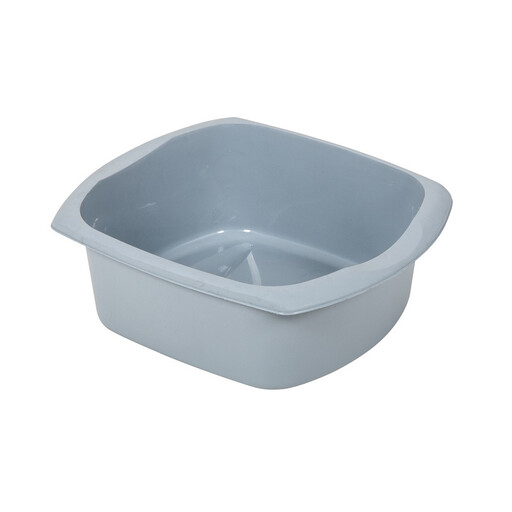
Why This Fits Their Persona: This bowl is ideal for UK households aiming to reduce their environmental impact by choosing products made from recycled materials, without sacrificing everyday performance.
It is heat-resistant up to 100°C, preventing the warping and cracking common in cheaper bowls. The durable recycled material is also scratch-resistant.
Made from 100% recycled household plastic. Features a high-gloss finish for easy cleaning.
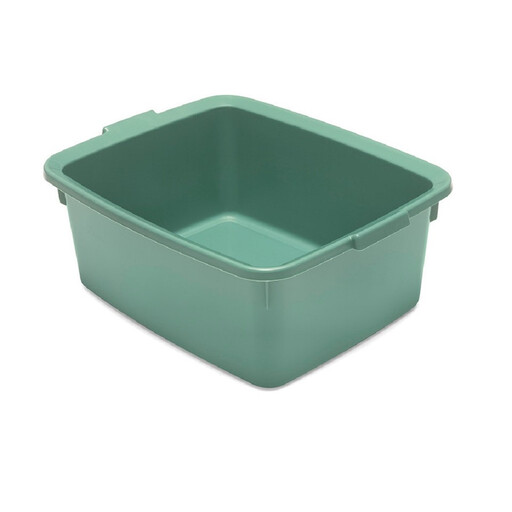
Why This Fits Their Persona: Its generous 12-litre capacity and wide dimensions make it a perfect fit for large butler and farmhouse sinks, providing a stable washing area and protecting the ceramic from heavy pots and pans.
The ergonomic comfort grip handles solve the problem of lifting a heavy, full bowl. Its hard-wearing construction also prevents it from scratching delicate sink surfaces.
A large 12L capacity ideal for families and larger sinks. The high-gloss, wipe-clean surface simplifies maintenance.
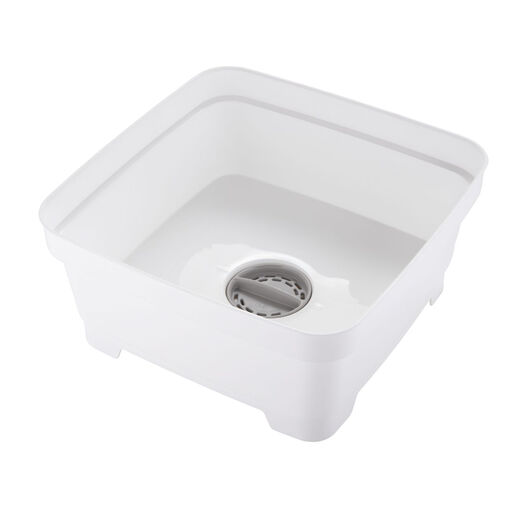
Why This Fits Their Persona: This is for the user who values ultimate convenience. The integrated plug means no more lifting a heavy bowl of dirty water, making the end of washing up quicker, cleaner and strain-free.
It directly solves the "awkward lift" problem with its built-in plug. The large handle rim also provides a secure grip if you do need to move it.
Features a removable plug/strainer for easy draining and catching debris. Made from durable ABS plastic for longevity.
We have compiled a complete, real-time list of products that fully satisfy these strict selection criteria and UK safety regulations.
For a butler or farmhouse sink, you should opt for a large washing up bowl, typically one with a capacity of 12 litres. Look for models with dimensions around 42cm in width and 33cm in length. This larger size prevents the bowl from sliding around in the spacious sink and provides enough room to handle bigger pots and pans comfortably, while also protecting the ceramic.
To minimise staining from strong-coloured foods like curry, bolognese or tea, try to rinse the bowl immediately after emptying it. For stubborn stains, a paste of bicarbonate of soda and water left to sit for an hour before scrubbing can often help. Choosing a bowl with a high-gloss finish, such as a grey washing up bowl or black washing up bowl, can also make stains less noticeable and cleaning easier.
This depends on the quality of the plastic. Cheaper, thinner bowls can warp, crack or even melt. It is safer to choose a bowl that is specifically rated as heat-resistant, often up to 100°C. This information is usually stated in the product specifications. As a general rule, it is always a good practice to add some cold water to the bowl before adding hot water from the tap to temper the temperature change.