
24/7 Customer Support

Free returns

Same-day & Next-day Delivery

Quality Guaranteed

Unlock Your Welcome Offers: FREE Delivery | Up to 80% OFF | Free 30-day JoyPlus trial
Download the APP
The humble washing up bowl is a staple of the British kitchen, yet choosing the right one can make a surprising difference to your daily routine. Whether you're looking to protect a new ceramic sink, reduce your water consumption, or simply find a bowl that can handle the aftermath of a family roast, the options have evolved far beyond a simple plastic tub.
From a recycled washing up bowl for the eco-conscious household to a large washing up bowl designed specifically for butler and Belfast sinks, making the right choice saves time, water and potential damage to your sink and crockery. This guide is designed to help you navigate the key features to look for, ensuring you find a practical and durable solution for your kitchen.
Before adding a bowl to your basket, consider these three factors. They will help you match a product to your specific kitchen setup and daily habits.
The most important factor is ensuring the bowl fits your sink. A rectangular washing up bowl is often the most space-efficient option, allowing plates to lie flat for soaking. Measure your sink's internal dimensions, leaving a few centimetres of clearance on all sides to make lifting the bowl out easier.
Capacity, measured in litres, is also key. A standard 9-10 litre bowl is sufficient for most daily needs. However, for larger families or those with a washing up bowl for a Belfast sink, a large washing up bowl of 12L or more provides the necessary space for bigger pots and pans without overcrowding.
The majority of modern bowls are a type of plastic washing up bowl, but the quality can vary significantly. Look for durable, heavy-duty plastic that resists warping when filled with hot water. Many now feature a high-gloss finish, which not only looks clean but is easier to wipe down and more resistant to staining from things like tomato sauces or curry. For those prioritising sustainability, a recycled washing up bowl made from post-consumer plastics offers a durable alternative to using virgin materials.
Modern washing up bowls often include thoughtful details that solve common problems. If you have a ceramic, granite or stainless steel sink, a sink protector bowl is an excellent investment. These bowls feature soft feet or a cushioned base to prevent scratches and scuffs on the sink surface.
Similarly, a washing up bowl with handles is a practical feature, especially for larger, heavier bowls. Sturdy, comfortable-grip handles make it safer and easier to lift and empty a full bowl, reducing the risk of spills and strain.
Here are three recommendations that address different needs, from large-capacity washing to sink protection and eco-friendly design.
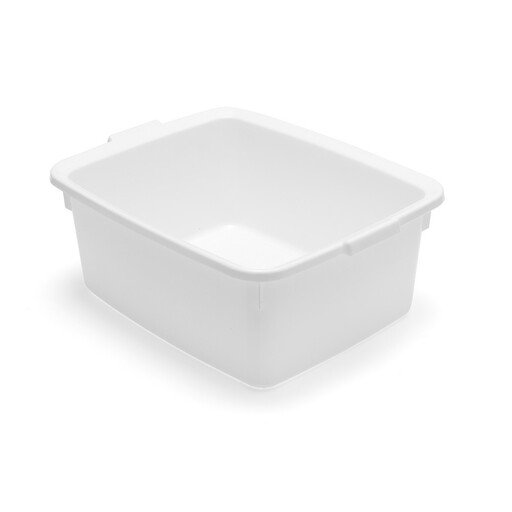
Why It Stands Out: With its generous capacity and robust build, this bowl is designed for high-demand kitchens. Its size and shape make it particularly well-suited for the large, open basins of butler, farmhouse and Belfast sinks.
Pros:
Who is it for? This is an ideal choice for busy families, keen home cooks or anyone with a large farmhouse or Belfast sink who needs a substantial and reliable washing up bowl.
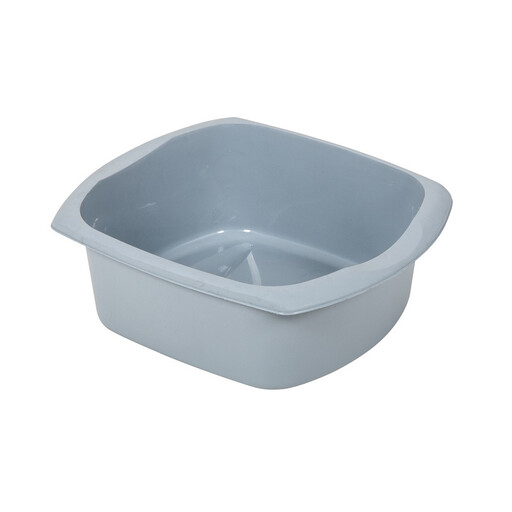
Why It Stands Out: This bowl offers a practical way to make a more sustainable choice in the kitchen without sacrificing performance. Made entirely from recycled household plastics, it’s a durable and functional bowl for everyday tasks.
Pros:
Who is it for? Perfect for eco-conscious households looking to reduce their reliance on virgin plastics. Its standard size and durable features make it a versatile all-rounder for most kitchens.
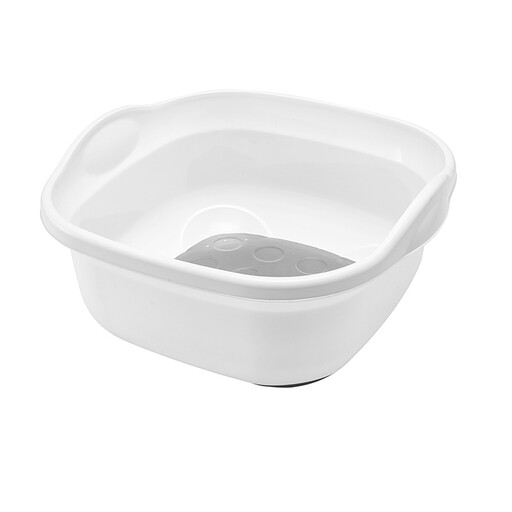
Why It Stands Out: This bowl is engineered specifically for protection. Its clever design incorporates soft-touch elements that safeguard both your sink surface and your delicate dishware from accidental knocks and scratches.
Pros:
Who is it for? This is the go-to sink protector bowl for anyone with a new or delicate sink (such as ceramic, granite or high-polish steel) who wants to minimise wear and tear during daily washing up.
If these recommendations aren't quite what you're looking for, there are many other sizes, colours and styles available. Whether you need a compact round bowl for a smaller sink or a different colour to match your kitchen décor, you can find a suitable match in our wider collection.
Explore our full range of kitchen washing up bowls to find the perfect fit for your home.
Using a washing up bowl serves several practical purposes. Firstly, it helps save water, as you only need to fill the bowl rather than the entire sink. Secondly, it protects the sink's surface from scratches caused by cutlery and heavy pans. Finally, it keeps your sink clear for other uses, such as rinsing vegetables or draining pasta, even while dishes are soaking.
For a Belfast or butler sink, you should opt for a large washing up bowl, typically with a capacity of 12 litres or more. A rectangular washing up bowl is usually the best fit, as it maximises the usable space within the sink's shape. Always measure the internal base of your sink to ensure the bowl will fit comfortably with enough room to lift it in and out.
Yes, a plastic washing up bowl is hygienic provided it is cleaned regularly. Most modern bowls are made from non-porous plastic with a high-gloss finish that resists staining and makes them easy to wipe clean. Rinsing the bowl after each use and washing it with washing-up liquid periodically will keep it clean and prevent any build-up of bacteria.