
24/7 Customer Support

Free returns

Same-day & Next-day Delivery

Quality Guaranteed

Unlock Your Welcome Offers: FREE Delivery | Up to 80% OFF | Free 30-day JoyPlus trial
Download the APP
A good washing up bowl is one of the most practical items in a British kitchen. It can help protect your sink, save water and make daily chores a bit more organised. Yet, finding one that doesn't warp, stain or scratch your sink after a few weeks can be surprisingly difficult. Many end up with a flimsy bowl that quickly becomes another piece of plastic waste.
Before you buy, it's worth knowing about a few common pitfalls. Many budget bowls are made from thin, low-grade plastic that can deform when filled with hot water. Others have rough bases that leave scuffs on delicate ceramic or stainless steel sinks. Finally, some "clever" features like integrated plugs often leak, defeating their purpose entirely. This guide will help you identify the key features of a durable and practical kitchen sink bowl, ensuring you make a choice that serves your household well.
Instead of focusing on colour alone, here are the three factors that determine whether a washing up bowl is a useful tool or a future frustration.
The single most important factor is the quality of the plastic. A cheap, flimsy plastic washing up bowl will not withstand the rigours of daily use. Look for bowls made from robust materials described as durable, hard-wearing or BPA-free, especially if you'll be washing baby bottles or food containers.
A key specification to check is heat resistance. Many quality bowls, like some from the Addis washing up bowl range, are rated to withstand temperatures up to 100°C. This means you can use hot water for greasy pans without worrying about the bowl warping or becoming misshapen over time. Some models also feature a scratch-resistant finish, which helps maintain a clean appearance even after scrubbing pots and pans.
The right size and shape can make a significant difference. A rectangular washing up bowl is often more practical than a round one because it maximises the usable space within a standard rectangular kitchen sink. This shape makes it easier to lay plates, chopping boards and baking trays flat for effective soaking.
Consider the capacity you need. A standard bowl is around 9-10 litres, which is ample for daily use in most households. If you have a large family or frequently wash bulky items like stockpots, a large washing up bowl of 12 litres or more might be a better fit. Always measure your sink first to ensure the bowl will fit comfortably without being too tight or too small.
Well-designed features can elevate a simple bowl into a highly practical kitchen tool. A washing up bowl with handles is a must-have for safety and convenience. Look for raised or integrated handles that offer a secure grip, making it much easier and safer to lift and empty a bowl full of water.
Another useful feature is a washing up bowl with plug. This allows you to drain the water directly into the sink without having to lift a heavy, full bowl. A good design will have a secure, non-leaking plug that may also double as a strainer to catch food scraps, helping to prevent blocked drains.
We've matched some popular models to different household needs, helping you find a practical fit for your kitchen routine.
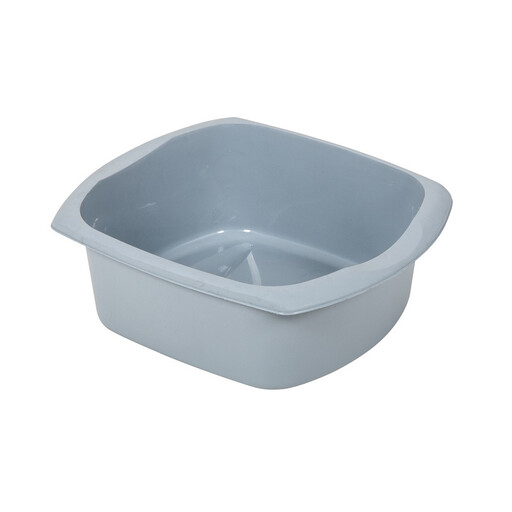
Why This Fits Their Persona: Ideal for those wanting to make more sustainable choices without sacrificing quality. It's a practical, everyday bowl made in the UK from recycled materials, perfect for households aiming to reduce their reliance on virgin plastics.
This bowl is heat-resistant up to 100°C, directly countering the common pitfall of warping with hot water. Its durable, scratch-resistant construction avoids the flimsy feel of many low-cost alternatives.
Made from 100% recycled household plastic. The 9.5L rectangular shape is efficient for standard sinks and the high-gloss finish makes it easy to clean.
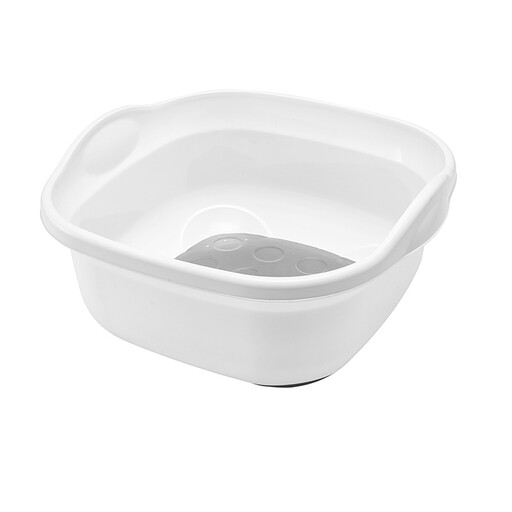
Why This Fits Their Persona: A great choice for homeowners with expensive or delicate sinks, such as ceramic, butler or high-gloss stainless steel. The design prioritises protecting surfaces from scratches and scuffs during daily use.
It directly solves the problem of sink damage. The soft-touch feet on the base prevent the bowl from scratching the sink surface, a common issue with hard plastic bowls that have rough moulding marks.
Features protective soft-touch feet and an inner liner to help safeguard dishes from chips. The sturdy construction provides stability in the sink.
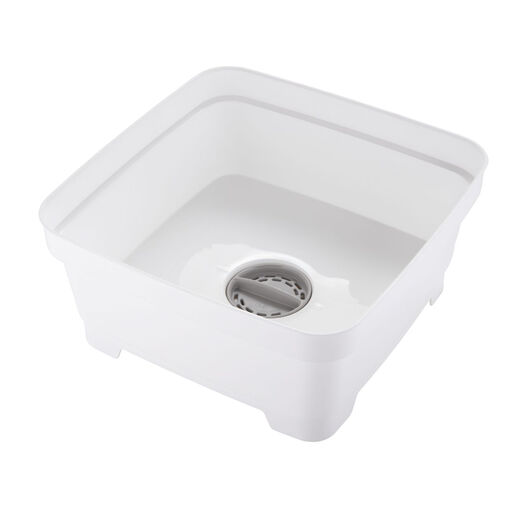
Why This Fits Their Persona: For anyone who values practical features that make chores quicker and easier. The integrated plug means no more lifting a heavy, sloshing bowl to empty it, making it ideal for those with limited strength or who simply want a tidier process.
This bowl offers a genuinely useful feature, unlike gimmicks that fail. The removable plug/strainer is designed to be functional, catching food debris and allowing for easy draining without the risk of leaks common in poorly made alternatives.
Features a built-in plug and strainer for easy draining. The large handle rim provides a secure grip for moving the bowl and it's made from durable ABS plastic.
We have compiled a complete, real-time list of products that fully satisfy these strict selection criteria and UK safety regulations.
It depends on the plastic. While you should avoid pouring boiling water directly from a kettle into any plastic bowl, many high-quality models are heat-resistant up to 100°C. This makes them safe for the hot water that comes from your tap for washing up. Always check the product specifications for a heat-resistance rating to avoid warping or damage.
Stains from things like tomato-based sauces or curry can be stubborn. To minimise staining, try to rinse the bowl immediately after emptying it. For existing stains, a paste of bicarbonate of soda and water left to sit for an hour before scrubbing can often help lift them. Regular cleaning with warm, soapy water will also prevent build-up.
Yes, in most cases. Filling a 9 or 10-litre bowl uses significantly less water than filling an entire kitchen sink, which can hold 20 litres or more. For smaller loads of washing up, using a bowl is a simple and effective way to reduce your household water consumption.