
24/7 Customer Support

Free returns

Same-day & Next-day Delivery

Quality Guaranteed

Unlock Your Welcome Offers: FREE Delivery | Up to 80% OFF | Free 30-day JoyPlus trial
Download the APP
Washing up liquid looks like a simple household purchase, but the wrong bottle can quickly become expensive. A formula that produces plenty of foam may still struggle with greasy pans, while a large container may offer poor value if it is weakly concentrated or awkward to dispense.
UK households, cafés and catering businesses also need to consider fragrance, skin contact, storage and safe handling. The following guide explains the practical details that matter before buying, followed by our top recommendations for different types of user.
A thick layer of suds can look reassuring, but foam alone does not show how effectively a product lifts oil and food residue. Some liquids lose their cleaning action quickly when used with heavily soiled pans, meaning you need more product or a second sinkful of water.
Look for clear information about concentration, intended use and dosage rather than judging a product by its appearance in the bottle.
A 320ml bottle may have a lower shelf price, while a 5-litre container may seem expensive. Neither figure tells you the full story. A concentrated washing up liquid can require only a small amount per basin or sponge, whereas a larger but weaker formula may be used more quickly.
For a fair comparison, check the pack size, recommended dosage and likely washing volume. Bulk washing up liquid can make sense for a busy household or commercial kitchen, but only when there is suitable storage and a practical way to pour it.
Antibacterial washing up liquid is not a substitute for thorough cleaning, rinsing and good kitchen hygiene. Claims about reducing bacteria should be checked against the product label and directions. Do not treat a detergent as a disinfectant unless the packaging specifically states its approved use and instructions.
Also check warnings relating to eye irritation, aquatic life, preservatives and fragrance allergens. Keep all washing up liquid out of children’s reach and rinse dishes thoroughly with clean water.
Concentrated washing up liquid is generally useful when you wash frequently or tackle greasy cookware. However, using too much does not necessarily improve results and can make rinsing slower.
For example, the Fairy Professional Original 5L listing gives a manual-washing direction of 3ml per 5 litres of water. This type of dosage information is more useful than vague wording such as “long-lasting”. For domestic products, follow the label and adjust only when dealing with unusually heavy soil.
Choose the size according to your routine:
Large containers can reduce repurchasing and packaging per litre, but they may be difficult to lift or pour. A pump, measuring jug or smaller refill bottle can help prevent spills and overdosing. Store the original container safely and retain its label.
Original, lemon and apple options are common choices, while fragranced washing up liquid can include floral or fruity notes. If you are sensitive to perfume, compare the ingredients and choose a simpler fragrance profile where appropriate.
A product marketed as professional washing up liquid may offer larger packaging, concentrated dosing or suitability for busy kitchens. Check whether it is intended for manual washing, pre-soaking, surface cleaning or mechanical equipment. Do not place hand dishwashing detergent in a dishwasher unless the manufacturer specifically permits it.
For food-service operators, also consider documented procedures, rinsing requirements and whether the product information references HACCP standards. This helps with purchasing and kitchen-control records, but it does not remove the need to follow your own food-safety procedures.
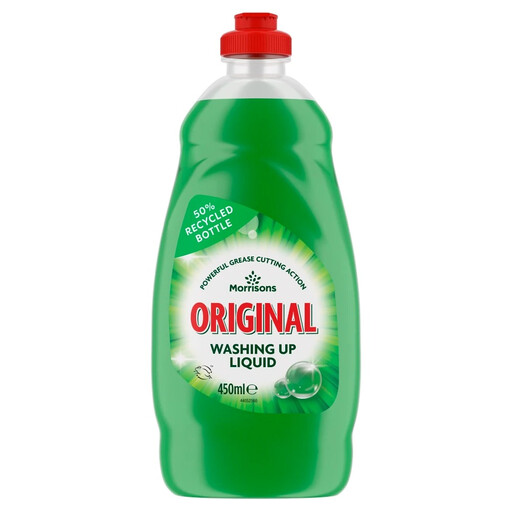
Why This Fits Their Persona: A practical everyday size for renters, students, couples and smaller UK households that want original fragrance without storing a bulk container.
The 450ml format makes it easier to compare the actual price and avoid paying for more product than your kitchen can store.
The listing specifies grease and food-residue cleaning, a fresh original fragrance and a compact 450ml bottle.
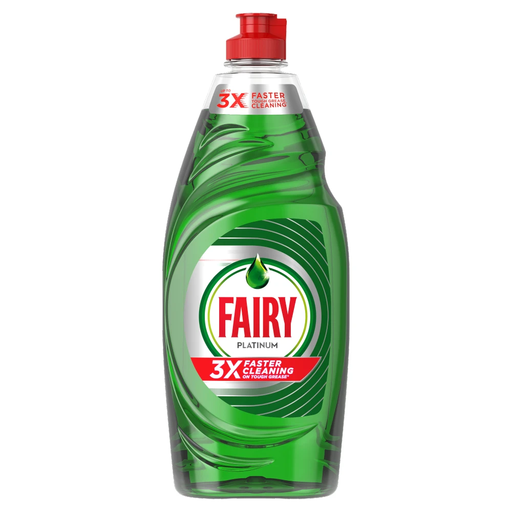
Why This Fits Their Persona: Suits households that regularly wash greasy pans and want a compact original washing up liquid designed for quick cleaning.
The product information focuses on direct application for greasy items, helping you avoid relying on overnight soaking alone.
The 520ml bottle is designed for fast grease cleaning, with directions covering sponge use, warm water and thorough rinsing.
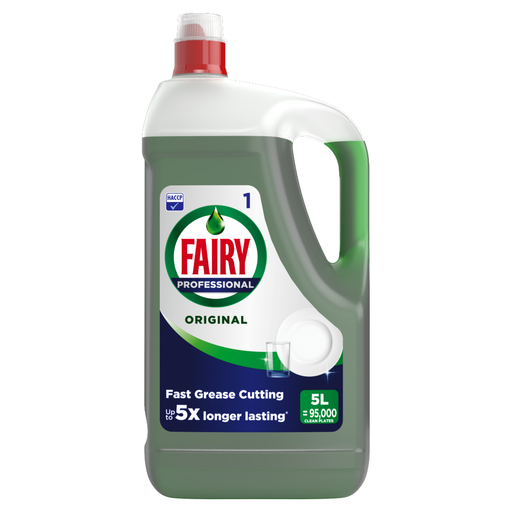
Why This Fits Their Persona: A 5-litre option for restaurants, cafés, hotels, caterers and high-volume family kitchens that wash many dishes each day.
The listing provides a specific 3ml-to-5-litre manual dosage and identifies professional kitchen use, making cost planning clearer.
The 5L pack is concentrated, intended for manual washing and described as suitable for use from 20°C, subject to the label directions.
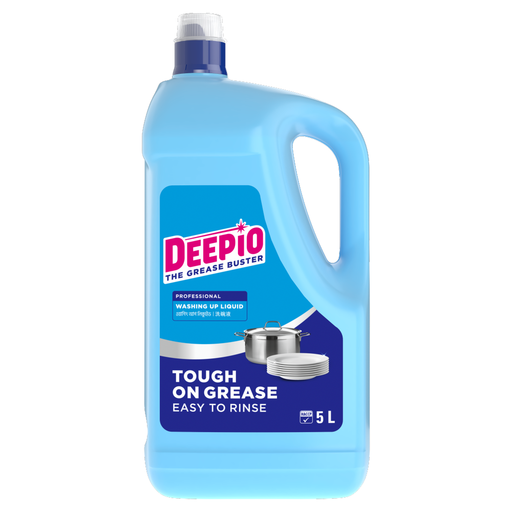
Why This Fits Their Persona: Suitable for buyers seeking a professional-size container and product information that references biodegradable ingredients and septic-system compatibility.
It gives bulk buyers identifiable information about formula characteristics instead of relying only on fragrance or foam claims.
The 5L pack is designed for heavy use, with a concentrated formula and product information describing biodegradable ingredients.
We have compiled a complete, real-time list of products that fully satisfy these strict selection criteria and UK safety regulations.
It can be, provided the product has a clear dosage and you use only the recommended amount. Compare the price per litre alongside the dosage, bottle size and washing volume. Applying excessive liquid increases cost and may make rinsing more difficult.
Usually not. Hand dishwashing liquids create foam that can overflow from a dishwasher. Use only products specifically labelled for the appliance and follow its manufacturer’s instructions.
This depends on household size, washing frequency, concentration and whether you apply the product directly to a sponge or dilute it in a sink. A small 320ml bottle may suit occasional use, while a 1–1.5-litre bottle or commercial dishwashing liquid in a 4–5-litre container is more practical for frequent or professional washing. Always close the cap, store the bottle safely and rinse dishes thoroughly after washing.