
24/7 Customer Support

Free returns

Same-day & Next-day Delivery

Quality Guaranteed

Unlock Your Welcome Offers: FREE Delivery | Up to 80% OFF | Free 30-day JoyPlus trial
Download the APP
A reliable washing up sponge is a cornerstone of a clean kitchen, yet finding one that performs well without causing damage or falling apart can be surprisingly difficult. Many of us have felt the frustration of a new non-stick pan being scratched by a scourer claiming to be safe or a multi-pack of sponges disintegrating after only a few uses. These common issues often stem from misleading marketing and hidden design flaws.
As the Joybuy Product Recommendation Officer, my role is to help you navigate these choices. Before you buy your next pack, be aware of these common purchasing pitfalls:
eco-friendly sponges may feature a biodegradable sponge side but a non-recyclable plastic scourer or come wrapped in unnecessary plastic, undermining their environmental claims.To avoid disappointment, focus on the material and construction. Matching the tool to the task is essential for both effective cleaning and protecting your cookware.
The effectiveness of dish sponges and kitchen scourers depends entirely on what they are made of. There is no single sponge that suits every task.
A sponge's lifespan is determined by its construction. Look for a strong bond between the sponge and scourer layers. Some sponges also incorporate features to improve hygiene. For instance, antibacterial sponges are treated with agents to help inhibit the growth of odour-causing bacteria on the sponge itself, keeping it fresher for longer. Similarly, materials that rinse clean easily, like certain polymer textures or steel coils, prevent food particles from getting trapped.
Based on these practical considerations, here are our recommendations matched to different household needs in the UK.
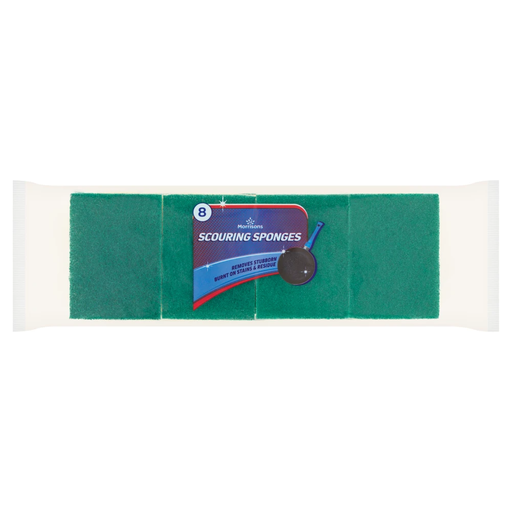
Why This Fits Their Persona: For a busy family household, value and quantity are paramount. This 8-pack provides a durable, general-purpose cleaning tool for everything from wiping counters to scrubbing stainless steel pots, ensuring you always have a fresh sponge ready without breaking the bank.
It avoids the "disintegrating duo" pitfall by offering a reliable build for its price point. It is clearly marketed for general and heavy-duty tasks, not delicate surfaces, preventing accidental damage.
Dual-action design with a soft sponge and tough scourer. The ergonomic shape provides a comfortable grip for daily washing up.
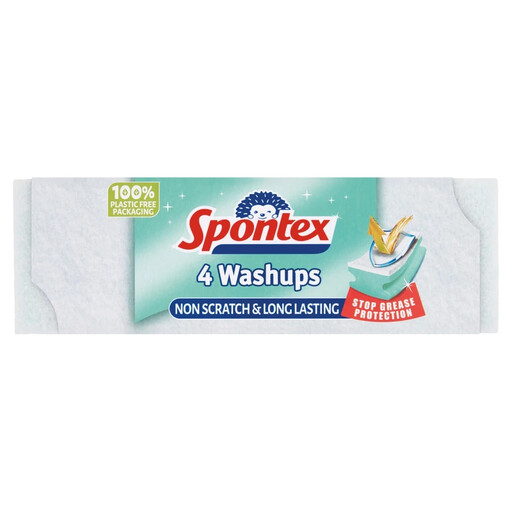
Why This Fits Their Persona: Anyone who has invested in high-quality non-stick or ceramic cookware needs a cleaning tool they can trust. This scourer is specifically engineered for delicate surfaces, providing peace of mind that you can clean effectively without causing scratches.
It directly solves the "gentle scourer that scratches" problem. Its purpose-built, non-scratch surface is effective on grease but safe for sensitive coatings, protecting your investment in good cookware.
Features anti-grease technology to stay cleaner for longer. The contoured nailguard improves grip and protects your hands during use.
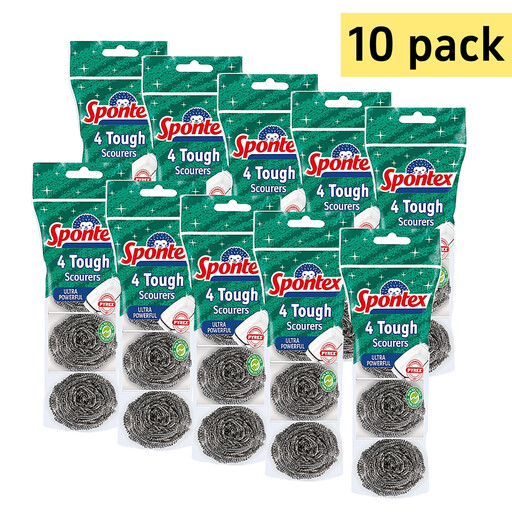
Why This Fits Their Persona: For the aftermath of a Sunday roast, a summer BBQ or a baking session gone wrong, you need a tool with uncompromising power. These stainless steel scourers are designed to remove the most stubborn, burnt-on food from oven trays, grills and Pyrex dishes.
This product makes no false promises of being gentle. It is an unapologetically powerful tool for tough jobs, ensuring you have the right abrasive force when you need it, rather than struggling with an underpowered all-in-one sponge.
Made with 90% recycled stainless steel, it is rust-free and durable. The design is easy to rinse out, preventing trapped food and odours.
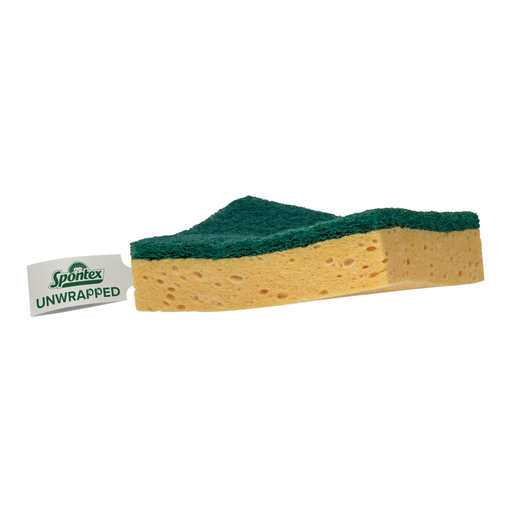
Why This Fits Their Persona: For those looking to reduce their household waste, this sponge is an excellent choice. It combines effective cleaning with strong environmental credentials, from its materials to its complete lack of packaging.
This product directly counters the "eco-friendly illusion" by being transparent. It has zero packaging, a 100% biodegradable cellulose sponge and a scouring side made from 100% recycled fibres.
Dual-sided functionality for wiping and scrubbing. The cellulose sponge is highly absorbent, soaking up to 22 times its dry weight in water.
We have compiled a complete, real-time list of products that fully satisfy these strict selection criteria and UK safety regulations.
For hygiene reasons, it is generally recommended to replace a kitchen sponge every one to two weeks, depending on usage. If a sponge develops an odour, becomes discoloured or starts to break down, it should be replaced immediately.
Yes, you can extend the life and improve the hygiene of your sponges. A common method is to ensure the sponge is thoroughly damp, then microwave it on high for 30-60 seconds. This can help reduce the bacterial load. Always allow it to cool completely before handling. Alternatively, running it through a hot cycle in the dishwasher can also be effective. Always rinse and squeeze out excess water after each use and let it air dry.
A sponge is a soft, porous material (like cellulose or foam) used for wiping surfaces and holding soapy water. A scourer is an abrasive pad (made of synthetic fibres or metal) designed for scrubbing away tough, stuck-on food and grime. Many products are dual-sided, combining both a sponge and a scourer into one tool for convenience.