People fitting a machine into a tight recess
Check whether the machine will fit once pipes, plugs, ventilation space and door opening are accounted for. Allow for connections and clearance around a freestanding appliance.


Measure the usable installation space before choosing a drum size, leaving room for connections, ventilation and the door to open. A shallow 7 kg machine may suit separate tablecloth loads in a tight recess; consider an 8 kg machine if you wash bulkier batches and it fits. A washer-dryer addresses limited drying space, but its drying limit may be lower than its washing limit.
Check whether the machine will fit once pipes, plugs, ventilation space and door opening are accounted for. Allow for connections and clearance around a freestanding appliance.
If you wash cotton tablecloths often, consider the size of each dry load and the available programmes rather than choosing by extra features alone. Samsung UK relates capacity choice to the amount washed per load, while Which? distinguishes cottons from synthetics cycles.
A washer-dryer is worth considering if there is nowhere practical to air-dry large tablecloths. Check its drying limit separately: Haier lists different wash and dry capacities for its HWD80-B14959S8NU1.
For cotton tablecloths in a small flat, decide which constraint governs the choice: a shallow recess, room for the usual load or a place to dry it.
Consider it when: the recess is shallow and tablecloths are usually washed in separate, modest loads.
Trade-off: a bulky mixed load may need splitting; the rated capacity does not guarantee room for every combination of items.
Consider it when: the flat accommodates a deeper appliance and you regularly wash several tablecloths together.
Trade-off: check the full installed depth. Haier lists its HW80-B14939S8 at 622 mm deep before space for connections.
Consider it when: drying large cotton items indoors is the main difficulty and a separate dryer is impractical.
Trade-off: a full wash may need splitting for drying. Haier rates its HWD80-B14959S8NU1 for 8 kg of washing but 6 kg of drying.
| Concern | What to check | Who this matters to |
|---|---|---|
| Installation fit | Measure usable space around pipes and plugs, then check the exact model's dimensions, clearances and door swing. Allow around 25 mm at each side and roughly 50–150 mm behind a freestanding machine. | If my recess is tight, I need to connect the machine and open its door without obstruction. Around 33% of consumers put installation fit first. |
| Drum room and cottons cycle | Compare the dry-load rating with your usual tablecloth batch, and check the programme settings against the fabric care labels. | When several tablecloths go in together, I want enough room to avoid tightly packing the drum. For around 27% of consumers, room for the wash load is the primary concern. |
| Indoor drying | For a washer-dryer, check wash and dry limits separately, along with its installed depth. | I have nowhere practical to air-dry large tablecloths, so the drying limit shapes which loads I can handle. Around 20% of consumers place drying space first. |
| Noise and vibration | Compare stated spin-noise figures where available and follow the model's levelling instructions. Bosch UK warns that incorrect levelling can cause intense noise and vibration. | With laundry close to my living space, I want to limit disruption during a spin cycle. Keeping the routine less disruptive comes first for around 20% of consumers. |
A machine can fit between units but leave too little room for hoses, plugs or its open door.
Measure the usable recess around connections and compare it with the exact model's dimensions and installation guidance.
Capacity refers to dry laundry; tightly packed tablecloths may have too little room to move during a wash.
Choose around the number of tablecloths washed together, and avoid packing the drum tightly.
The two ratings can differ. Haier's HWD80-B14959S8NU1 is rated for an 8 kg wash but a 6 kg dry load.
Check both limits and whether your usual batch fits within the drying rating.
Bosch UK warns that incorrect levelling can cause intense noise and vibration, and instructs owners to remove transit bolts before use.
Follow the exact model's installation manual, level the feet on a firm floor and check connections for leaks.
Beko's BW1O3721 is a reference point for a shallow, freestanding 7 kg machine.
Bosch's WAJ28008GB provides a 7 kg front-loader reference with published dimensions.
Haier has cited models for both an 8 kg washing-machine route and a washer-dryer route.
Miele's WWE380 WCS is an 8 kg front-loader to consider if its dimensions and programmes suit the flat and tablecloth care labels.
These freestanding washing machines offer 8 kg rated loads for comparing tablecloth batches. Check each machine's installed fit and cottons settings before choosing; a washing machine alone does not resolve a lack of drying space.
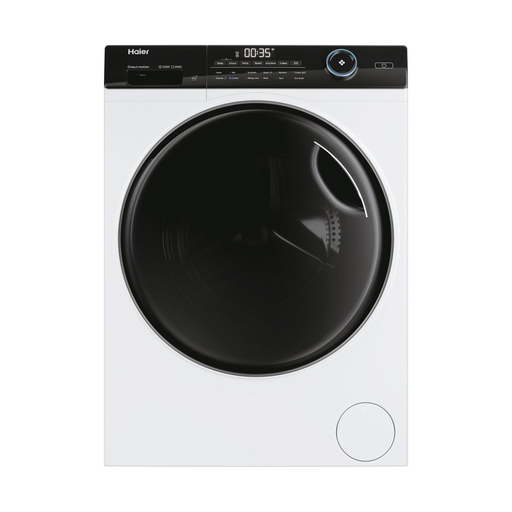 No image available
Consider its stated 8 kg load for regular tablecloth batches, without tightly packing the drum.
The product name specifies a 1400 rpm maximum spin. Check installed depth and match the cottons settings to the tablecloth care label.
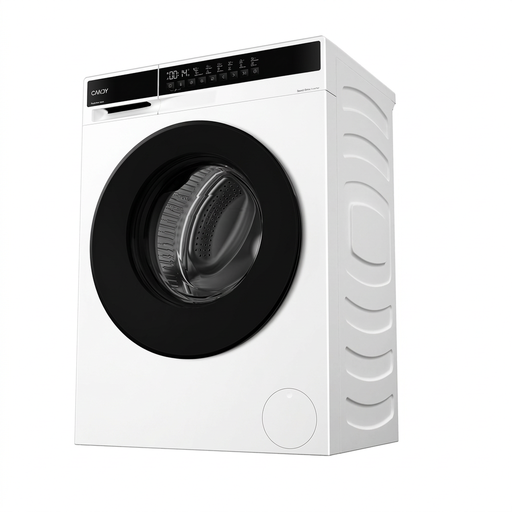 No image available
Its stated 8 kg capacity is a point of comparison for tablecloth loads; leave room for the items to move.
The product name specifies 1400 rpm spin and 16 programmes. Check the installed depth and which programme settings the care label permits.
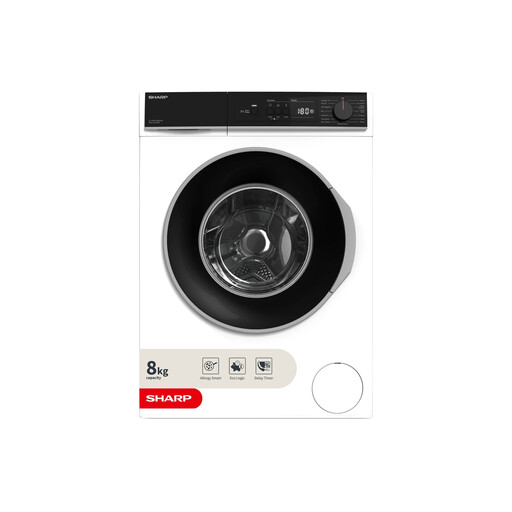 No image available
Its stated 8 kg load is relevant if tablecloths are washed in batches that are not tightly packed.
The product name specifies a 1400 rpm maximum spin. Confirm the full installed depth and care-label-compatible cottons settings.
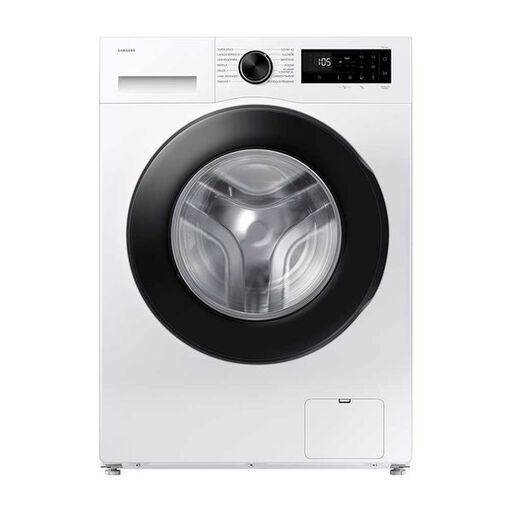 No image available
Consider its stated 8 kg load if you want capacity for tablecloth batches but need to check a tight installation space.
Confirm the total installed depth and whether its programmes include settings appropriate for the tablecloth care label.
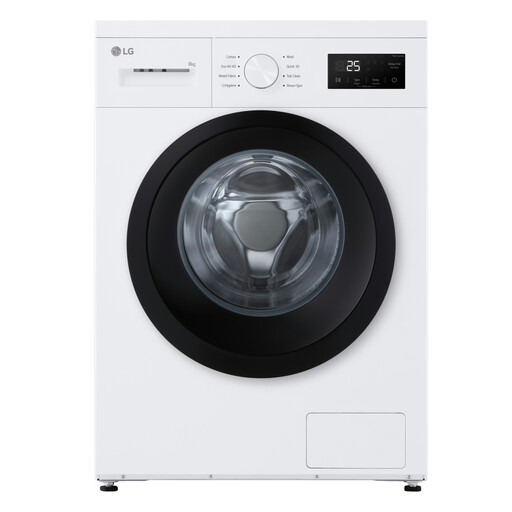 No image available
Its stated 8 kg capacity may suit separate tablecloth batches, provided the load is not tightly packed.
The product name specifies a 1400 rpm maximum spin. Check total depth including the door and connections, as well as care-label-compatible programme settings.
Check the tablecloth care label first, then choose a permitted temperature and spin setting. Which? notes that cottons programmes are often hotter than synthetics programmes, so the fabric label matters more than the programme name alone.
Allow for the exact model's dimensions, connections, ventilation and door opening, not just the width of the recess. Allow around 25 mm at each side and roughly 50–150 mm at the back for pipes and plugs; check the appliance's own installation instructions too.
Follow the exact model's manual and check that it is level, connected without kinked hoses and free of leaks. Bosch UK also instructs owners to remove transit bolts before use; consult a qualified professional if you are unsure about the installation.
Arrange an appropriate electrical-equipment collection or recycling route before the replacement arrives. GOV.UK identifies the UK Waste Electrical and Electronic Equipment framework; ask the retailer about take-back or check your local authority's collection options rather than placing the machine with general waste.