Families with larger laundry backlogs
If tablecloths regularly join towels, bedding or other family washing, drum capacity matters—but the load still needs space to move.


For family laundry that regularly includes cotton tablecloths, a freestanding 9kg machine is a sensible starting point if it fits the measured space. Consider 10kg or 12kg when tablecloths frequently join larger backlogs; whichever capacity you choose, check the cloth’s care label, the available programmes and whether the load has room to move in the drum.
If tablecloths regularly join towels, bedding or other family washing, drum capacity matters—but the load still needs space to move.
If meals often leave marks on tablecloths, check the exact machine’s Cotton programme and any documented stain or soak option. The tablecloth’s care label still determines suitable wash conditions.
If the appliance bay or access route is tight, measure both before choosing a capacity. A kitchen that requires a cabinet door also calls for an integrated model with a compatible installation arrangement.
Start with the size of your usual combined laundry load, then check cotton care and the dimensions of the exact machine. Energy information and cycle times help distinguish models that meet those basic needs.
| Concern | What to check when buying | Who this matters to |
|---|---|---|
| Capacity and drum space | Compare rated capacity in kg with your usual load, and check the load limit for the programme you expect to use. Leave room for bulky items to move. | If tablecloths often join towels or other family washing, I need enough space without packing everything tightly into one load; around 42% of consumers would put capacity first. |
| Cotton and stain care | Check the exact model’s Cotton programme and any documented stain or soak option against the tablecloth’s care label. | When meals leave visible marks, I want a suitable cotton wash rather than choosing a quick cycle solely for its timing; roughly 33% of consumers would prioritise cotton and stain care. |
| Fit and running information | Measure the appliance space and access route; compare the A–G energy label, product information and programme duration for models that fit. | If kitchen space is restricted or laundry runs frequently, I need a machine that fits and whose running information I can compare; about 25% of consumers would make fit and running information their primary concern. |
Drum size does not tell you the machine’s depth. The cited Samsung WW90CGC04DAEEU is 550mm deep, while the Hotpoint HBCA 103 CARE UK_WH is 580mm deep and the HBCA 123 CARE UK_WH is 630mm deep.
Measure the appliance bay and delivery route, then compare them with the dimensions and installation requirements of the exact model.
Energy Saving Trust advises against overloading: a tightly packed drum can reduce cleaning efficiency and may damage the machine.
Choose capacity around your normal household loads, and leave room for a tablecloth to move alongside other items.
If a load needs washing again, it also takes more time, water and detergent.
Quick-programme timings depend on the model and permitted load. A short cycle alone does not establish that it suits a stained cotton item.
Check the tablecloth’s care label and the machine’s programme table, including the load limit and any documented stain or soak option.
Samsung’s cited AI Energy claim comes from its own testing under specified conditions on a different model; it is not a guaranteed result for every household. The feature also has connectivity and account requirements.
Compare the standard energy label first. If a connected feature matters to you, check its requirements and supported cycles on the exact model.
These examples show different capacity and installation options; the stated features belong to the named models, not every machine from each brand.
The Bosch Series 6 WGG24400GB is a freestanding 9kg, 1400rpm option for a household considering a stain-oriented feature.
The cited Fabric Care models offer freestanding 10kg and 12kg options when tablecloths regularly join larger family loads.
The cited Series 5 WW90CGC04DAEEU is a freestanding 9kg, 1400rpm model to examine where appliance depth matters.
The WED385 WCS is a 9kg, 1400rpm W1 model for households interested in the named laundry-care programmes.
The CBW 49D1W4J-80 is a fully integrated 9kg, 1400rpm option for a kitchen that requires the machine behind a fitted door.
These freestanding 9kg and 10kg machines are options for family laundry that includes cotton tablecloths. Compare each model’s programme details and dimensions with your cloth’s care label, usual load and available space.
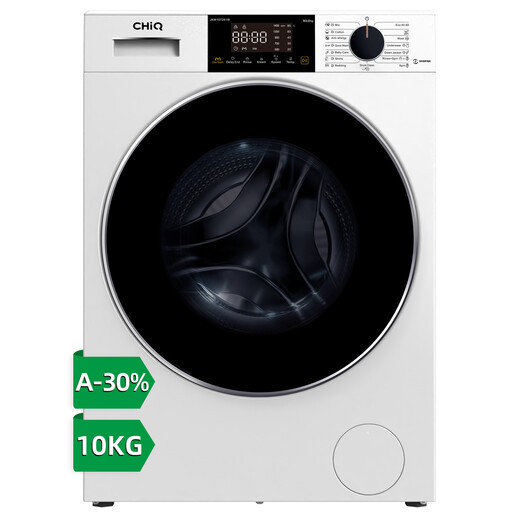 No image available
Consider this freestanding 10kg model if tablecloths regularly join larger family loads.
Its product title specifies a 1400rpm spin and A-30% energy wording. Check the Cotton programme’s permitted load and the installation dimensions before choosing it for your usual wash.
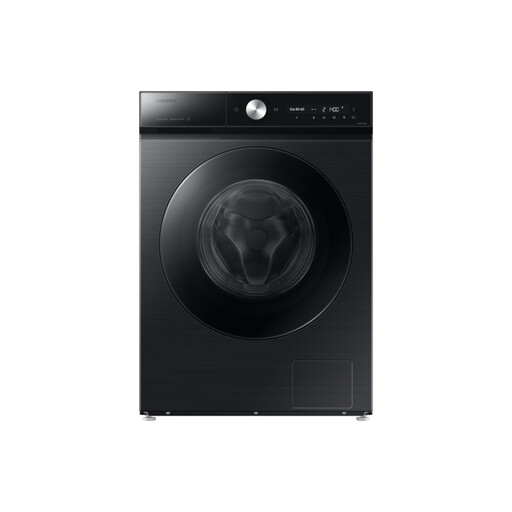 No image available
This 9kg freestanding model is an option when tablecloths form part of a medium-sized family load.
The product title states an A rating. If stain handling is important, check the exact conditions for Bubble Soak and confirm a suitable Cotton programme; measure the space against the model’s full dimensions.
 No image available
The freestanding 10kg capacity is worth considering when tablecloths often join larger household loads.
Check the exact programme list for a Cotton setting. Do not treat the model’s Steam Wash wording as evidence of a particular stain-removal result, and measure the intended appliance space.
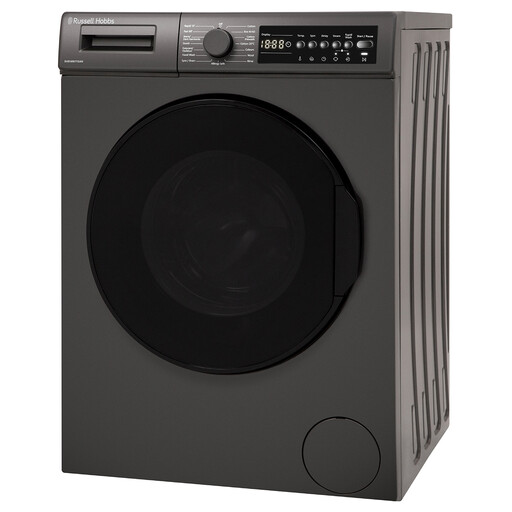 No image available
Its 9kg capacity offers a starting point for ordinary family loads that include tablecloths.
The product title specifies 1400rpm and an A rating. Confirm the Cotton programme before purchase; a rapid wash or steam-assist feature should not be assumed to suit a stained tablecloth.
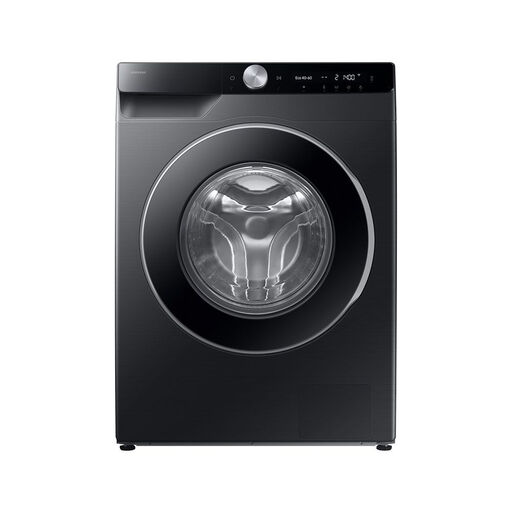 No image available
This freestanding 9kg model may suit a family comparing machines for a shallower appliance space.
The model information states a 550mm depth and the product title states an A rating. Check the complete installation dimensions, Cotton programme and any stain-specific options on the exact model; connected energy features have separate requirements.
No specialist machine category is necessary simply because an item is a cotton tablecloth. Check that its care label permits machine washing and the selected temperature and spin, then look for an appropriate Cotton programme on the exact model.
A 9kg machine is a reasonable starting point for many family laundry routines, but the deciding factor is what you normally wash with the tablecloth. 7–9kg is a range for many three- to four-person homes; consider more capacity if larger combined loads are frequent, without overfilling the drum.
Use the A–G rating and the model’s accompanying energy information to compare machines of the same product type. As Energy Saving Trust explains, A is the more efficient end of that scale; the rating alone does not tell you which drum size or programme suits your household.
A faster spin can remove more water, but use a 1400rpm setting only if the tablecloth’s care label and the rest of the load permit it. A machine’s maximum spin speed is not a setting to apply to every fabric.
Measure the appliance bay and the route through doors and corridors, then compare those measurements with the exact machine’s dimensions. For an integrated model, also confirm cabinet-door compatibility and the installation service you need.