Everyday cotton-pyjama washer
If pyjamas go in with other cotton clothing, look for a cotton programme and controls that let you follow each garment’s care label. Bosch identifies cotton/coloureds as a programme for hard-wearing cotton and linen.


For regularly washed cotton pyjamas, start with a machine whose cotton programme and temperature controls suit the garments’ care labels; Bosch describes its cotton/coloureds programme as intended for hard-wearing cotton and linen. Choose capacity and installation format for your usual household loads and available space, then compare the exact model’s energy information, noise and any quick-wash options you would use. A short or lower-temperature cycle is not automatically suitable for more heavily soiled laundry.
If pyjamas go in with other cotton clothing, look for a cotton programme and controls that let you follow each garment’s care label. Bosch identifies cotton/coloureds as a programme for hard-wearing cotton and linen.
If you wash nightwear often, compare energy information and temperature choices. Which? advises that lower-temperature washing can suit lightly soiled laundry, while difficult soil may need a different setting.
If the machine must fit a particular kitchen or utility space, or laundry needs to finish promptly, check dimensions, installation format and rapid-programme conditions. Freestanding machines differ from models designed to sit behind a cabinet door.
For cotton pyjamas, establish the suitable programme and garment-care settings first; then choose a machine that fits your usual loads and installation space. The other features matter most when they address a regular need.
| Concern | What to check | Who this matters to |
|---|---|---|
| Cotton and fabric care | Check the exact model’s cotton programme and selectable temperatures against the pyjamas’ care labels; trims or fabric blends may need different care. | If my pyjamas have different labels, I need settings I can adjust rather than relying on a quick wash. Around 33% of consumers put fabric-care control first. |
| Capacity and fit | Choose capacity for normal combined loads, then measure the space and confirm whether a freestanding or integrated machine is required. | When nightwear is washed with the rest of the household laundry, the load and available space decide what I can use. For around 27% of consumers, capacity and fit are the primary concern. |
| Energy and temperature | Compare the exact models’ energy labels and product information; check whether a lower-temperature option suits your usual soil level. | Because I wash lightly soiled nightwear frequently, I want a suitable lower-temperature choice without assuming it will handle stubborn stains. Around 20% of consumers prioritise energy and temperature choices. |
| Time and noise | Check a rapid programme’s permitted load and fabrics, alongside the model’s stated noise information. | If laundry runs near living space or needs to finish promptly, cycle conditions and noise matter more to me than extra features. Time and noise come first for around 20% of consumers. |
An energy label helps compare models, but the programme, load and temperature you use also affect everyday washing. Which? notes that a lower temperature can be less effective on difficult soil.
Compare the exact model’s energy information, then check that its programme and temperature options suit your garments and typical loads.
Short-cycle claims depend on the model and programme. Hotpoint, for example, specifies a Full Load 45' programme for its H 101B ANTI STAIN UK; that does not establish what another machine’s short cycle can wash.
Check the manual for the rapid programme’s load limit, intended fabrics and duration before relying on it for pyjamas.
A capacity figure cannot tell you whether the appliance and its connections will fit the intended space, or whether it matches the kitchen cabinetry.
Measure the installation space and check the model’s dimensions, connection clearance and cabinet-door requirements where applicable.
Energy-saving, colour-care and rapid-cycle descriptions can depend on a named model, technology or programme conditions.
Confirm the features and their stated conditions for the exact machine you are considering.
These brands offer relevant ranges or named models, but the programme and installation checks still need to be made for each machine.
Bosch UK lists freestanding, built-in and compact options.
Beko UK offers washing machines in different capacities, including models with quick programmes.
The Miele WWA120 WCS is an 8 kg W1 model listed with a 1400 rpm spin speed.
The Hotpoint H 101B ANTI STAIN UK is a 10 kg model with named colour-care and rapid-programme features.
LG describes fabric-sensing, fast-cycle and connected functions among selected washing-machine features.
These washing machines include options for combined household loads. For regular cotton-pyjama washing, check the exact programme and temperature controls before choosing any model; capacity and a short cycle alone do not establish fabric-care suitability.
 No image available
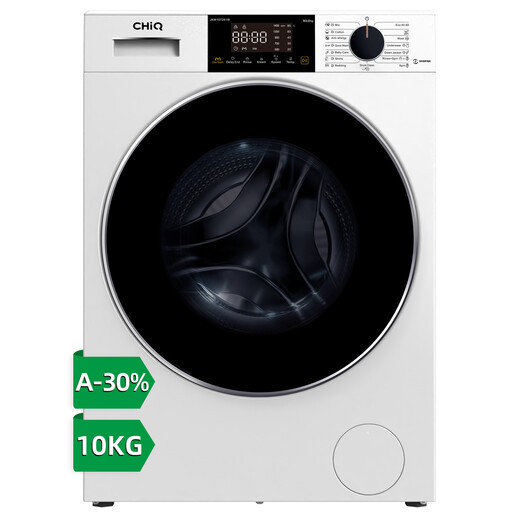
Consider this model for cotton pyjamas washed with larger household loads; check that its temperature settings suit the garments’ care labels.
The product name states a 10 kg capacity and 1400 rpm spin speed. Check the rapid programme’s load and fabric conditions before using it in place of a cotton wash.
 No image available
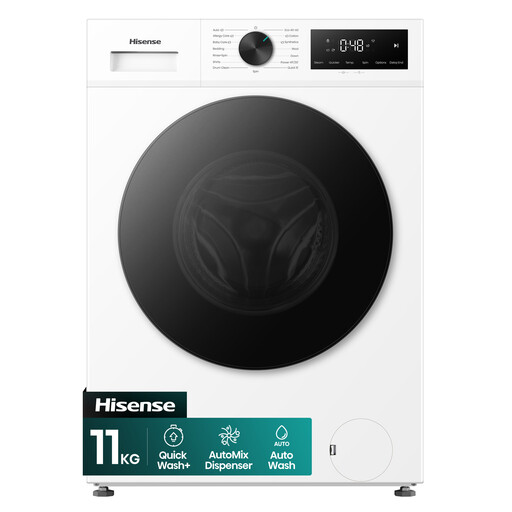
Consider the 11 kg capacity if pyjamas are routinely combined with larger household loads, provided the machine fits your space.
The product name states a 1400 rpm spin speed. Before ordering for regular cotton washing, check the cotton programme, temperature controls and suitability of the supplied mains connection for your installation.
 No image available
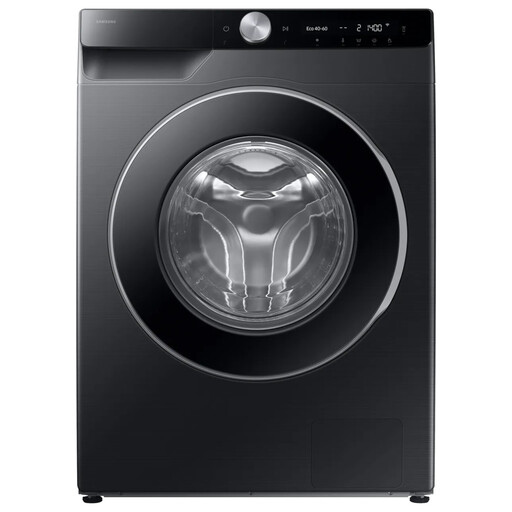
Consider this 11 kg model for larger combined loads if its size suits the installation space.
The product name states a 1400 rpm spin speed. Check its cotton programme and temperature controls for pyjamas, and confirm the fabric conditions of any faster cycle you intend to use.
Start with the garment care label. For hard-wearing cotton pyjamas, a cotton/coloureds programme is a relevant choice: Bosch describes that programme as intended for hard-wearing cotton and linen. Check the label before selecting the temperature, particularly where the garment has trims or blended fabric.
A 20°C wash can suit lightly soiled pyjamas when their care labels allow it. Which? reports lower energy use at that temperature but slightly weaker cleaning than at higher temperatures, so assess stains and soil level before choosing it.
Choose an integrated machine when the appliance needs to sit behind a cabinet door; otherwise, a freestanding model allows more flexibility in where it is placed. The two installation formats differ, but either choice still requires you to measure the space and check the model’s fitting requirements.
Compare the energy label and product information for the exact washing machines you are considering, rather than relying on a feature name. UK government guidance requires an accurate energy label at the point of sale for products within scope; your programme and temperature choices also matter in everyday use.
Follow the washing-machine manual’s maintenance instructions if you regularly wash at low temperatures. Which? advises that a regular maintenance wash becomes more important with that pattern of use; check the manufacturer’s specified cycle and cleaner.