Utility-room fit-first buyers
If the appliance position is tight, measure usable depth, space behind the machine and room for the door to open before comparing features. Side clearance around a freestanding machine is also needed.


Start with the utility-room opening: choose a freestanding machine for a suitable open position or an integrated model for a compatible fitted cabinet, but confirm the installed depth, connections and door clearance before buying. For routine cotton underwear, look for a care-label-compatible Cottons or Eco 40–60 programme and compare energy-label data; treat extra rinse or a hygiene programme as a model-specific choice for a particular need, not a requirement for every load.
If the appliance position is tight, measure usable depth, space behind the machine and room for the door to open before comparing features. Side clearance around a freestanding machine is also needed.
If cotton underwear is part of ordinary household washing, compare suitable programmes, load capacity and energy-label data. Energy Saving Trust highlights wash temperature and load size as considerations for energy use.
If removing detergent residue or using a particular hygiene programme matters to your household, check the exact model’s options and programme conditions against garment care labels. Bosch UK and AEG UK list such features on specific models, not across every machine they sell.
Decide whether the utility room needs a freestanding machine or an integrated one before comparing laundry programmes. An open position with suitable connections points towards freestanding installation; a machine concealed behind a cupboard door needs a compatible integrated appliance and cabinet.
Choose when: The machine will occupy an open position with suitable water, drainage and electrical connections.
Allow for: The appliance’s full installed depth and space to open its door, not just the visible gap.
Choose when: The utility room has a compatible fitted cabinet and you want the machine behind a cupboard door.
Allow for: Cabinet dimensions, door hinges and the model’s installation requirements; a similar nominal width does not make freestanding and integrated machines interchangeable.
| Concern | What to check | Who this matters to |
|---|---|---|
| Fit and installation | Measure usable width, height and depth from the front of pipes and plugs; check door swing and the model’s installation instructions. | If the utility-room gap is tight, I need to know the machine can be connected and opened, not merely pushed into place. Around 40% of consumers put fit and installation first. |
| Cotton care and energy use | Check the exact model’s Cottons or Eco 40–60 programme, rated capacity and A–G energy-label data; follow garment care labels. | For ordinary cotton loads, I want a suitable programme without choosing more capacity than my household uses. Roughly 30% of consumers prioritise routine cotton care and energy use. |
| Hygiene and rinsing | Confirm whether extra rinse or a hygiene programme is offered and what its temperature and garment requirements are. | If detergent residue or a particular soiled load is my concern, I want to understand what the programme actually does before using it. About 30% of consumers make hygiene or rinsing their primary concern. |
A machine can fit the visible width yet leave too little room for rear pipes and plugs or for its door to open.
Measure from the front of existing connections and compare the available space with the exact model’s dimensions and installation instructions.
An overlooked pipe position or door swing can mean rearranging the installation.
A programme name alone does not establish its temperature or suitability for a garment. North Tees and Hartlepool NHS Foundation Trust’s higher-temperature advice concerns soiled patient clothing, not routine cotton underwear.
Use the garment care label and the machine’s programme instructions; reserve higher-temperature washing for circumstances that call for it and fabrics that permit it.
Higher-temperature washing can increase energy use and may not suit some garments.
The A–G rating does not tell you whether two machines have the same capacity or whether that capacity suits your loads. Energy Saving Trust advises comparing appliance size alongside energy information.
Read the product’s energy-label data and programme information alongside its rated capacity.
Overloading leaves less room for laundry to move during a wash.
Follow the model’s loading instructions. Energy Saving Trust suggests leaving roughly a hand’s-span of space at the top of the drum.
These brands provide useful model-specific features to compare; their inclusion does not indicate that every model has the same programmes or fits the same space.
Relevant when comparing freestanding and built-in formats or checking for extra-rinse and hygiene options.
Relevant when a freestanding machine with listed cotton, hygiene and extra-rinse options is under consideration.
Relevant when comparing automatic dispensing and laundry-care controls on a particular model.
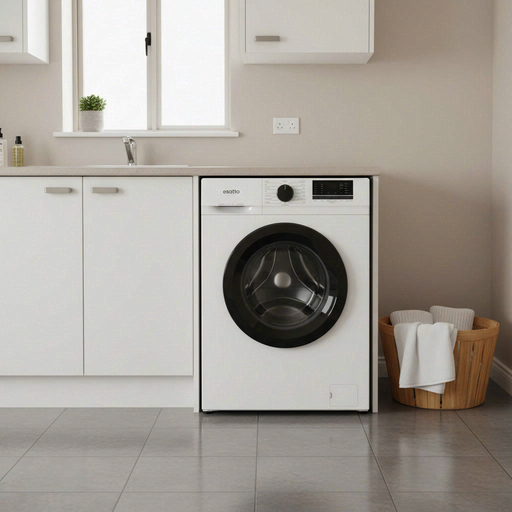
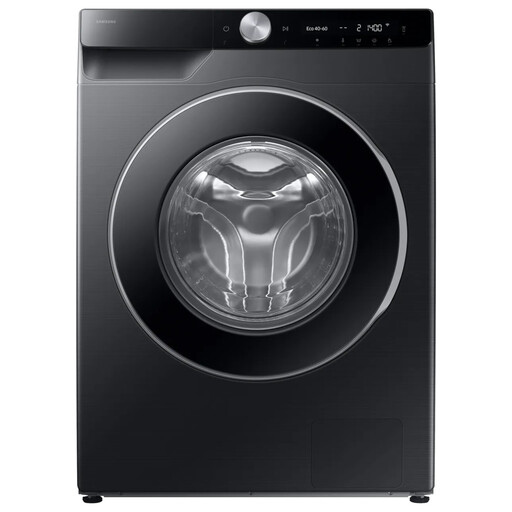
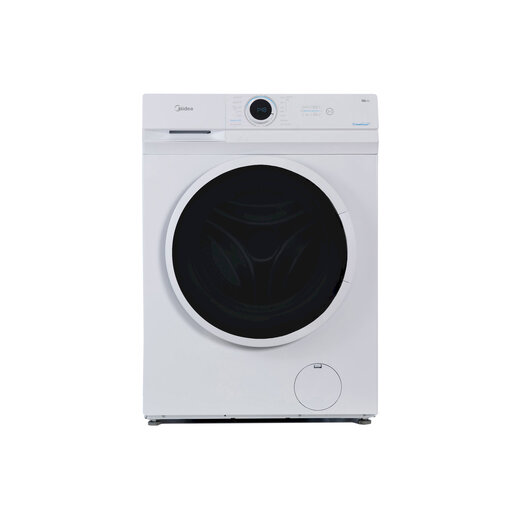
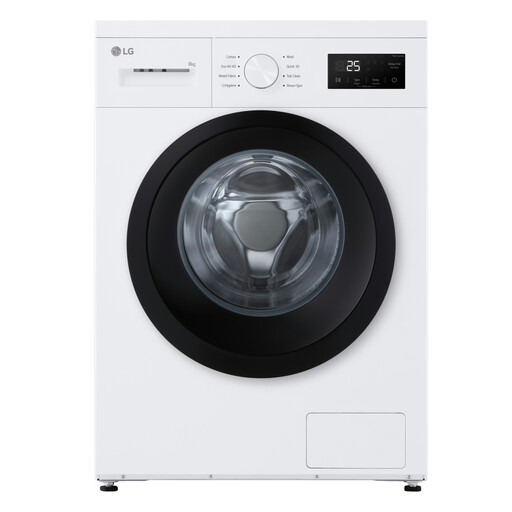
These washing machines offer different stated capacities and spin speeds for the utility-room decision. Before choosing one for cotton underwear, confirm its installation type, installed dimensions and care-label-compatible programmes.
 No image available
Consider its 8kg capacity against the size of your usual cotton loads.
The product name states a 1400rpm spin speed and A energy rating. Confirm the programme list, energy-label data and installed dimensions before buying.
 No image available
Check whether its 11kg capacity suits the loads you actually wash and the space available in the utility room.
The product name states a 1400rpm spin speed and A energy rating. Compare the full energy label and confirm programme conditions and installation clearance.
 No image available
Consider this freestanding model if a 6kg capacity matches your usual laundry loads.
The product name states a 1000rpm spin speed and D energy rating. Confirm its installed dimensions and exact temperature and programme options before choosing a wash for cotton underwear.
 No image available
Match this freestanding machine’s 8kg capacity to your household’s typical cotton loads.
The product name states a 1400rpm spin speed and A energy rating. Check its exact cotton-programme list and complete installed depth, including connections and door clearance.
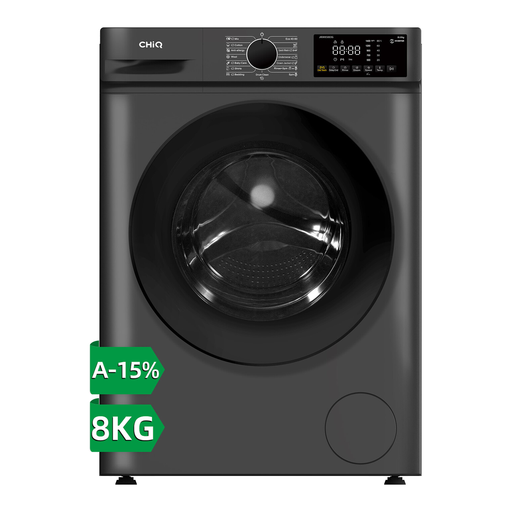 No image available
Consider its 8kg capacity if that matches the size of the loads you plan to wash.
The product name states a 1400rpm spin speed and A energy rating. Check the current standard energy label, cotton-programme list and installation clearances for this model.
Choose a temperature allowed by the garment care label rather than treating 60°C as a requirement for every routine load. North Tees and Hartlepool NHS Foundation Trust’s advice on washing at a minimum of 60°C concerns soiled patient clothing and depends on fabric suitability.
Eco 40–60 can suit normally soiled cotton items declared washable at 40°C or 60°C, provided the individual garments’ care labels permit it. Miele Great Britain describes the programme as suitable for mixed cottons within that care-label range.
Allow for the exact machine’s installation instructions, rear connections and a fully opening door. Allow around 25mm on each side and roughly 50–150mm behind a freestanding machine for ventilation, pipes and plugs; check the requirements of the model you choose.
Compare the A–G energy label and accompanying product data for machines with capacities that suit your loads. Energy Saving Trust also identifies wash temperature and load size as factors in energy use, so follow garment care labels and avoid overfilling the drum.