Frequent napkin washers
You regularly wash reusable table napkins and need a drum size that suits your batches, along with programmes appropriate to their fabric and level of soiling.


Choose a washing machine for regular napkin loads only after checking the installed footprint, connections and programmes against your utility room and the napkins’ care labels. If food stains are common, look for a suitable stain or prewash option; if quick turnaround matters, check the rapid programme’s load limit rather than relying on its advertised duration. A larger drum is useful when you batch napkins with other laundry, but capacity alone does not establish that it suits smaller washes.
You regularly wash reusable table napkins and need a drum size that suits your batches, along with programmes appropriate to their fabric and level of soiling.
You need to account for the machine, its open door, hoses and required clearances before deciding whether it fits. LG’s UK installation guidance also calls for a suitable water connection, drain routing and a level machine.
You want to compare information for the exact models under consideration. The UK government’s energy-information guidance requires an accurate printed energy label for products within its scope.
For a utility-room washer used regularly for table napkins, establish installation fit and fabric-appropriate programmes before deciding how much capacity or quick-cycle convenience you need.
| Concern | What to check | Who this matters to |
|---|---|---|
| Stains and fabric care | Check the napkins’ care labels and the exact model’s stain or prewash options and permitted temperatures. | When food stains are frequent, I need a programme I can use without ignoring the fabric instructions. Around 31% of consumers put stain handling and fabric-appropriate washing first. |
| Utility-room fit | Compare the full installed space with the model’s clearance requirements, door movement and water and drain connections. | If the washer cannot fit with its hoses and door in use, its other features will not help me. For around 31% of consumers, installation fit is the primary concern. |
| Energy information | Compare energy labels and product-information sheets for the exact models, including the programmes to which their figures apply. | I want comparable running information rather than choosing from a headline efficiency claim. That is the main priority for around 23% of consumers. |
| Short cycles | Check the quick programme’s permitted load and temperature, and whether it can be used with the options you need. | When napkins are needed again soon, I need a short cycle that can take my usual batch. Around 15% of consumers place quick-cycle convenience first. |
A machine’s listed dimensions do not account for every installation clearance, hose route or open door. LG’s UK installation guidance also stresses suitable connections and levelling.
Measure the usable space and check the exact model’s installation instructions, tap connection, drain route and floor before ordering.
Short programmes have model-specific load and option limits; their stated duration alone does not establish whether they suit heavily stained napkins.
Check the programme table for load, temperature and compatible options, then choose a fabric-appropriate longer programme when the level of soiling calls for one.
Sandwell and West Birmingham NHS Trust’s home-laundry guidance distinguishes ordinary unsoiled laundry from soiled or infection-related items. A hotter wash must also be suitable for the fabric.
Follow the napkins’ care labels and choose the wash temperature according to their actual condition rather than using 60°C by default.
A temperature unsuitable for the textile can cause shrinkage or damage.
Programme conditions matter when comparing energy information. The UK government’s energy-information guidance requires an accurate printed energy label for products within its scope.
Compare the energy label and product-information sheet for each exact model, paying attention to which programme the stated figures describe.
The named Series 6 WGG254Z1GB is a freestanding example for buyers considering larger batches and specified stain and rapid-cycle options.
The named LFX50842B is an 8 kg freestanding example for regular loads where prewash and short programmes are relevant.
The named F2X50S9NLB is a 9 kg option for buyers considering LG’s space-conscious design and connected controls.
Beko’s UK 8 kg range provides freestanding and integrated models for buyers comparing installation types and programme options.
These washing machines offer different stated drum sizes and spin speeds for regular napkin loads. Check each exact model’s installation requirements and programme table before deciding whether it suits your room, fabrics and usual batch.
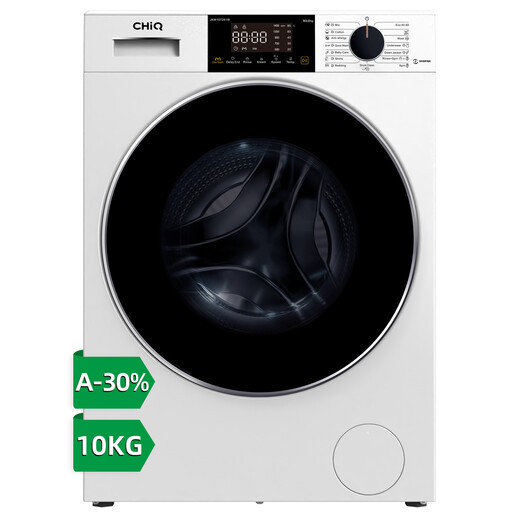 No image available
For regular napkin washing, confirm this variant’s rated drum capacity before deciding whether it suits your usual loads.
The product title states a 1400 rpm spin speed and identifies an inverter and steam feature; check the programme instructions for fabric suitability and quick-cycle load limits.
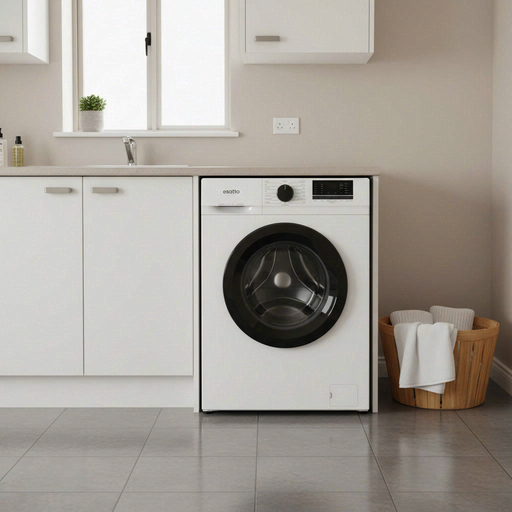 No image available
Consider the stated 8 kg capacity against the size of your regular napkin and household-laundry loads.
The product title states 1400 rpm. Check the exact programme table for fabric-appropriate temperatures and quick-cycle limits, and measure the installed footprint.
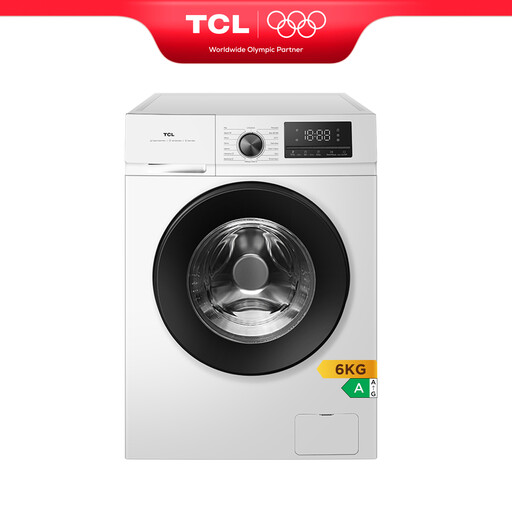 No image available
The stated 10 kg capacity is worth considering if you batch napkins with other laundry rather than washing small napkin-only loads.
The title identifies a freestanding machine with a 1400 spin specification. Obtain its dimensions and installation requirements, then check which programmes suit your napkins.
 No image available
The stated 10 kg capacity may suit larger batches of napkins washed alongside other laundry, provided the full machine fits your utility room.
The title identifies a freestanding machine with a 1400 spin specification. Check the installation manual and fabric-appropriate programme temperatures for this variant.
No: the wash should reflect the napkins’ condition and care labels. Sandwell and West Birmingham NHS Trust’s home-laundry guidance says unsoiled laundry can be washed normally, while its advice for soiled or infection-related items calls for 60°C or higher only if the material allows.
Check the exact model’s clearances, open-door space, water connection, drain route and levelling instructions. LG’s UK installation guidance warns against kinked or pinched drain hoses and advises levelling the machine to reduce vibration and noise.
Compare the energy labels and product-information sheets for the exact models, paying attention to the programmes behind their figures. The UK government’s energy-information guidance requires an accurate printed energy label for products within its scope; a marketing description is not a substitute for comparing model-specific information.
Ask your retailer or local council about collection and recycling arrangements before removing it. UK government guidance explains that waste electrical and electronic equipment rules are intended to reduce electrical waste sent to landfill or incineration.