Frequent towel washers
If hand towels regularly go in with other cotton laundry, consider the size of the whole load and the cotton programme you will use. A machine chosen for an occasional small towel wash may not suit your usual mixed loads.


For frequent hand-towel washing, choose a machine that fits the installation space and the full loads you usually wash with the towels, rather than choosing by drum size alone. An 8 kg model may suit more modest mixed loads, while 9 kg or 10 kg gives more rated capacity for larger loads; compare each model’s programme information and energy label before deciding. A specialist hot or hygiene programme matters particularly when the laundry situation calls for one, but its settings and the towel care label still need checking.
If hand towels regularly go in with other cotton laundry, consider the size of the whole load and the cotton programme you will use. A machine chosen for an occasional small towel wash may not suit your usual mixed loads.
If you handle heavily soiled patient laundry or laundry associated with a known infection, programme settings, textile care and handling instructions become important. Royal United Hospitals Bath NHS Foundation Trust gives specific 60°C and handling advice for that patient-laundry context; it is not a blanket instruction for ordinary household hand towels.
If the machine must fit a particular kitchen or utility-room space, check its full dimensions and whether the installation calls for an integrated or freestanding model. Once it fits and has enough capacity, compare product-specific energy-label information rather than the efficiency letter alone.
Start with installation fit and the size of your usual combined laundry load, then compare programmes and energy information on machines that meet those needs.
| Concern | What to check | Who this matters to |
|---|---|---|
| Mixed-load capacity | Compare the rated Eco 40-60 capacity with the towels and other laundry you normally wash together; check the programme’s permitted load. | If I wash hand towels alongside other cottons, I want room for the combined load without choosing capacity I rarely use. Around 33% of consumers put mixed-load capacity first. |
| Hygiene-capable washing | Check the exact programme temperature and permitted load against the textile care label and any advice relevant to the laundry situation. | When laundry is heavily soiled or linked to a known infection, I need to know whether the machine and textiles suit the advised wash process. For around 25% of consumers, that capability is the primary concern. |
| Fit and installation | Measure height, width, full depth and connection clearance; confirm whether the space requires an integrated machine. | A machine is no use to me if it cannot fit the cabinet or be installed safely in the available space. Installation fit comes first for around 25% of consumers. |
| Recurring-use efficiency | Compare the energy label’s A–G class alongside model-specific energy information, rated capacity and Eco 40-60 duration. | If I run frequent loads, I want to compare energy information for machines that already meet my space and laundry needs. Around 17% of consumers make recurring-use efficiency their first priority. |
Machines with similar stated capacities can have different dimensions, and width alone does not establish whether one will fit.
Measure the recess and access route, allow for connections, and compare your measurements with the exact model’s maximum dimensions and installation instructions.
Royal United Hospitals Bath NHS Foundation Trust’s 60°C advice concerns heavily soiled patient laundry or laundry used by someone with a known infection, with specific handling and drying instructions. It does not set a routine temperature for all household hand towels.
Follow ordinary towels’ care labels and machine instructions; for patient laundry or a known infection, follow the advice applicable to that situation rather than relying on a programme name alone.
Energy Saving Trust notes that larger appliances can use more energy even when they share an efficiency rating. The letter alone does not describe how a machine fits your loads.
Compare product-specific energy-label information, capacity and the programmes you expect to use after confirming that each machine fits.
Electrical Safety First warns that a washing machine can overload an extension lead, particularly when it is used with other large appliances.
Check the socket arrangement and manufacturer’s installation instructions before ordering, and arrange competent installation where needed.
These examples show different machine configurations; check the specifications of the exact model you are considering.
The Bosch Series 6 WGG24400GB is a 9 kg freestanding example for comparing capacity and installation dimensions.
AEG’s cited 8 kg models offer freestanding and integrated configurations for different installation spaces.
The Miele WEJ885 WCS is a 9 kg option to consider if automatic detergent dispensing is important to your choice.
These Joybuy options include freestanding 8 kg, 9 kg and 10 kg machines for mixed laundry loads, plus an integrated 8 kg model for a suitable cabinet installation. Choose between them by your usual load, available space and the exact programmes you need.
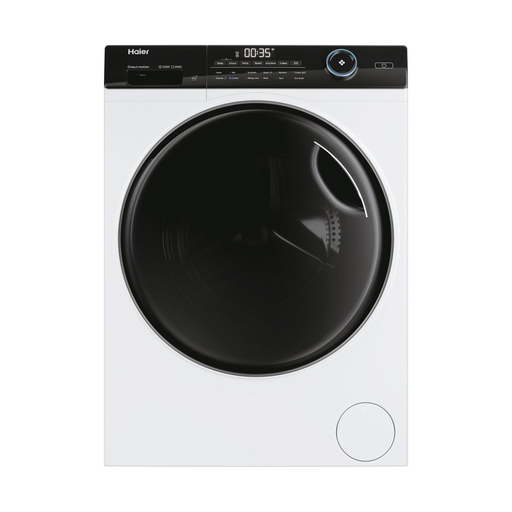 No image available
Consider this freestanding machine if hand towels usually share a modest mixed laundry load. Its stated capacity is 8 kg, maximum spin speed is 1,400 rpm and energy class is A.
If you need a particular hot-wash setting, check its temperature and permitted load in the exact model’s instructions.
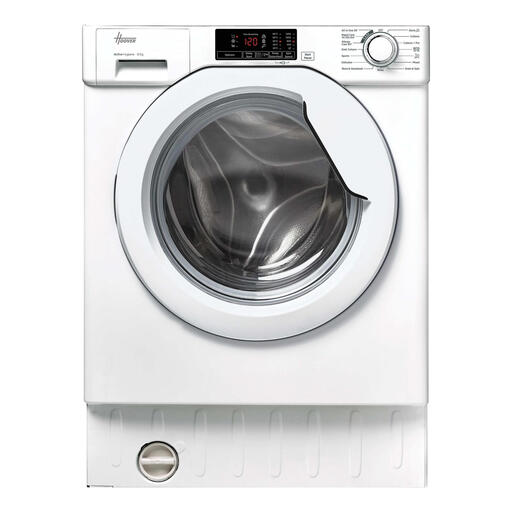 No image available
Consider this 8 kg integrated machine where the cabinetry is designed for a built-in appliance. Its stated maximum spin speed is 1,400 rpm and energy class is C.
Confirm the cabinet-door arrangement, full installation dimensions and programme settings before ordering.
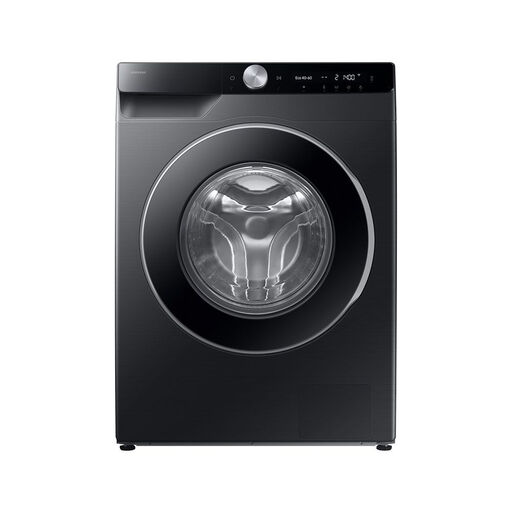 No image available
The stated 9 kg capacity may suit larger mixed towel and cotton loads if a freestanding machine fits your space. The title specifies a 1,400 rpm maximum spin speed and energy class A.
Check the exact settings and textile compatibility of any hygiene programme rather than assuming its name specifies a wash temperature.
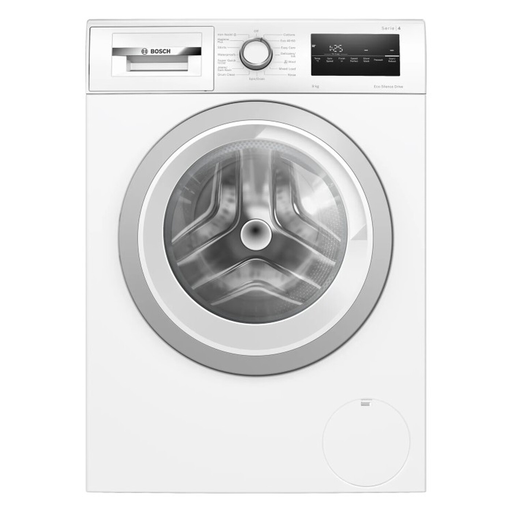 No image available
Consider this 9 kg machine if towels regularly form part of larger mixed loads and a freestanding installation suits the room. Its stated maximum spin speed is 1,400 rpm and energy class is A.
Check the exact programme temperatures and load limits if you need a particular hot-wash option.
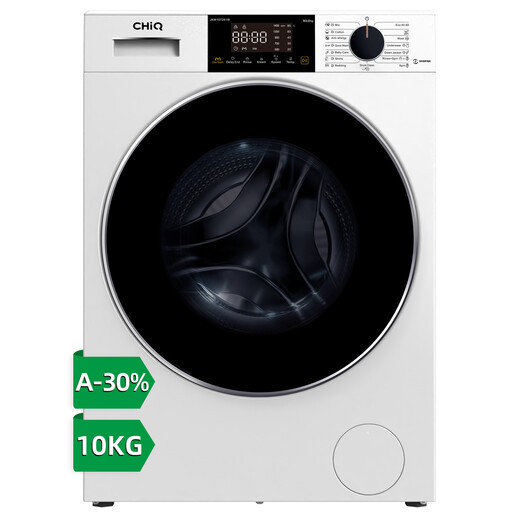 No image available
The stated 10 kg capacity is worth considering if your combined towel loads are substantial, provided the machine fits the installation space. Its stated maximum spin speed is 1,400 rpm.
Compare its official A–G energy label and Eco 40-60 information with other models; the A-30% wording in the product name is not an A–G class.
No: choose a wash that follows the towel care label and the machine’s instructions. Royal United Hospitals Bath NHS Foundation Trust gives 60°C advice for heavily soiled patient laundry or laundry used by someone with a known infection, alongside specific handling and drying steps; that advice should not be treated as a rule for every household towel load.
Compare the A–G efficiency class and the product-specific information rather than relying on the letter alone. Energy Saving Trust notes that labels include energy-use, noise and performance information; also consider whether each machine’s capacity suits the loads you actually wash.
Electrical Safety First advises against using an extension lead for a washing machine because the appliance can overload it, particularly alongside other large appliances. Check the planned socket arrangement and follow the manufacturer’s installation instructions.
Choose an integrated machine when the intended cabinetry and installation are designed for one; otherwise assess a freestanding model against the available space and connections. Check the exact appliance’s full dimensions, cabinet-door requirements where applicable and installation instructions before ordering.
It can: Miele describes a cleaning programme for the hoses in its TwinDos system and specifies cleaning supplies for maintenance after a long period without use. If automatic dosing influences your choice, check the upkeep instructions for the exact system.