
24/7 Customer Support

Free returns

Same-day & Next-day Delivery

Quality Guaranteed

Unlock Your Welcome Offers: FREE Delivery | Up to 80% OFF | Free 30-day JoyPlus trial
Download the APP
Equipping a British home with reliable cleaning appliances requires careful planning around interior dimensions, plumbing access, and everyday household demands. Laundry spaces in modern flats and terraced houses are often tight, making machine depth and drum capacity crucial considerations. Selecting a unit that balances footprint with effective cycle options ensures that daily chores run smoothly without cluttering living areas or inflating running costs.
At the same time, maintaining outdoor spaces such as patios, driveways, and vehicles requires purpose-built outdoor cleaning tools that remain easy to manoeuvre and store. Whether you need a shallow-depth front loader for a compact kitchen recess, a high-capacity machine for family-sized loads, or a dependable pressure washer for exterior chores, understanding the core specifications helps you select the right appliance for your domestic routine.
A frequent pitfall when buying kitchen and utility appliances is failing to account for rear pipework and front door curvature. Standard UK kitchen counters are 600mm deep, which means an appliance with an overall cabinet depth close to or exceeding that figure can protrude awkwardly into walkways. Always measure the full clearance, factoring in waste pipe bends and water inlet hoses behind the unit to ensure a completely flush installation.
Purchasing a drum that is too large leads to inefficient half-loads, while opting for one that is too small forces multiple wash cycles throughout the week. A compact drum suits solo dwellers or couples who wash small batches frequently, whereas a larger drum accommodates heavy bedding, bath sheets, and bulk family laundry in fewer runs, reducing domestic friction and daily wear on the motor.
When selecting pressure washers for vehicle cleaning and patio care, buyers often look solely at cleaning pressure while ignoring physical hose length and connector mechanics. A short hose requires lifting and dragging the main unit constantly across wet flags, which increases tipping risks. Opting for modular quick-connect couplings and a sufficiently long hose ensures steady water delivery and smooth movement around vehicles.
The physical dimensions of domestic appliances dictate where they can practically live inside the home. Precise depth measurements prevent appliances from obstructing kitchen walkways or cupboard doors.
Washing machine spin speeds and internal drum textures directly impact water extraction efficiency and fabric longevity during frequent washes.
Exterior cleaning tools require robust, easily interchangeable fittings that handle varying levels of surface grime without damaging finishes.
Explore these dependable, purpose-built appliances selected to suit distinct living situations and cleaning tasks across British homes.
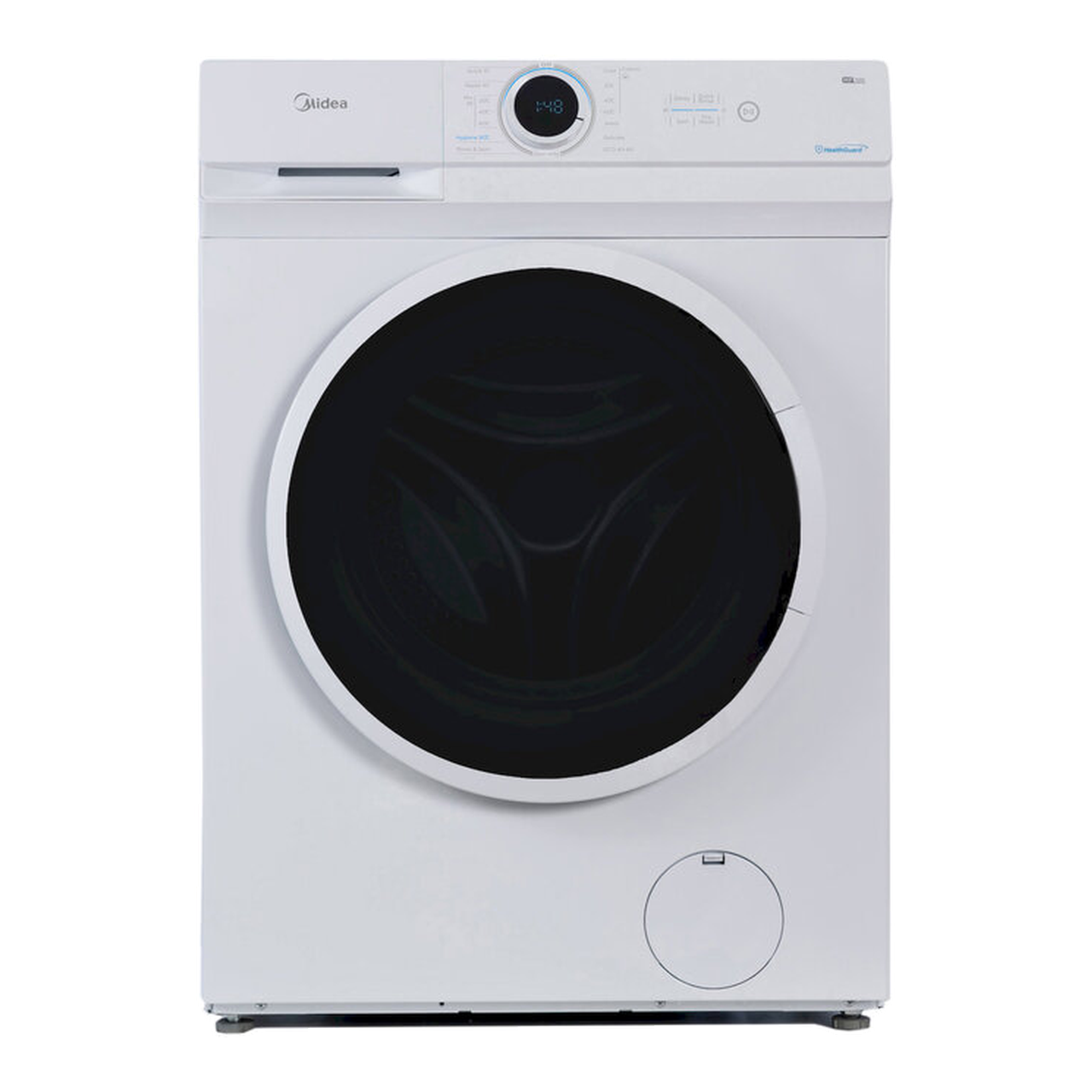
Why This Fits Their Persona: This front-loading freestanding washing machine in clean White features a remarkably slim 40cm depth, making it an outstanding fit for narrow kitchens, flats, or dedicated utility cupboards where space is at a premium. The internal Water Cube stainless-steel drum accommodates 6kg loads while caring for daily fabrics, supported by practical 15-minute and 45-minute rapid wash cycles that streamline weekday laundry routines.
It directly solves the problem of bulky appliances jutting out past shallow worktops or blocking narrow hallway cupboards, leaving ample room behind the machine for waste and water plumbing connections.
With its 1000rpm spin speed, four selectable wash temperatures, and a clear LED display, this unit delivers straightforward, dependable cycle control without wasting floor space.
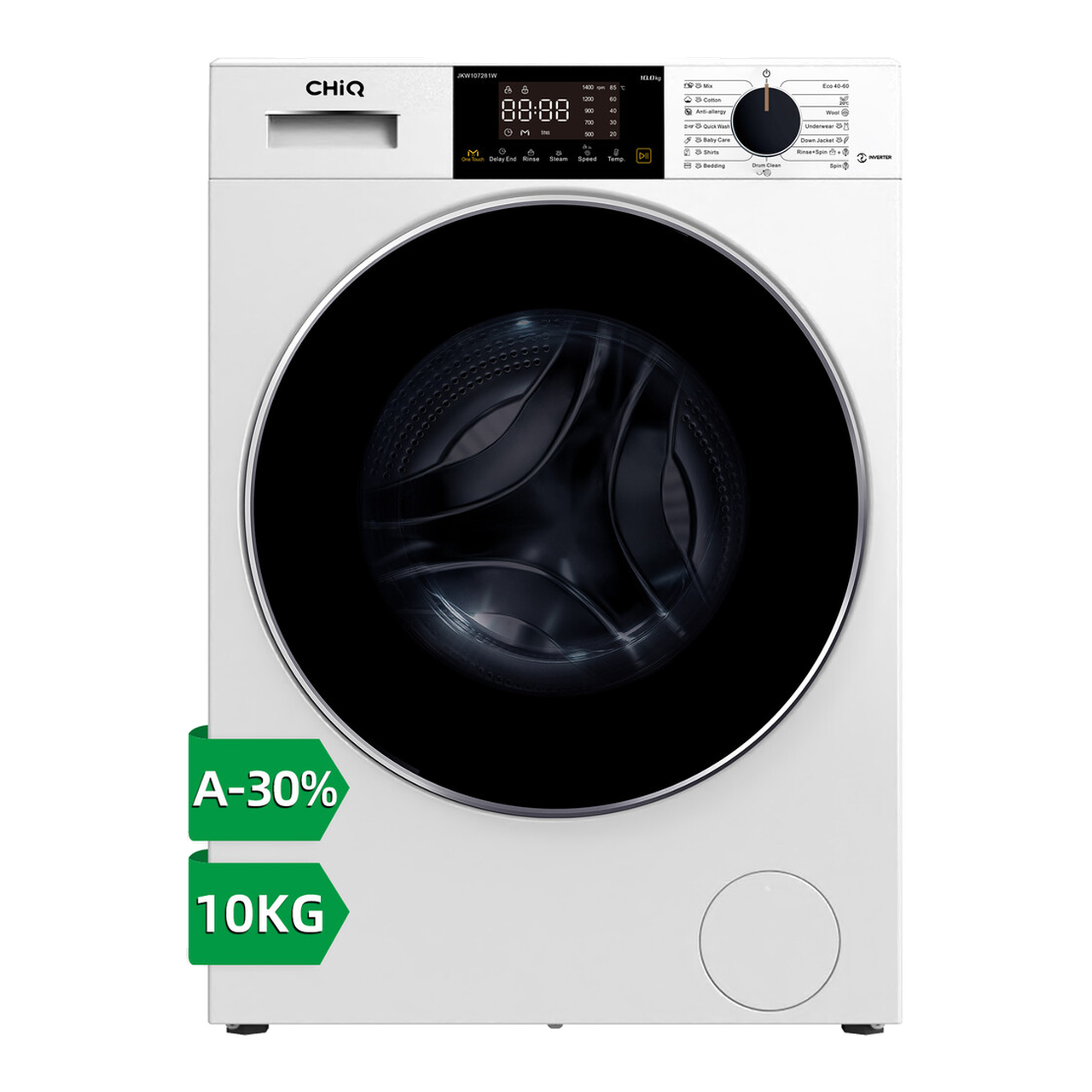
Why This Fits Their Persona: Designed for busy family environments, this appliance combines a generous 10kg capacity with a robust 1400rpm maximum spin speed to power through heavy laundry baskets, duvet sets, and school uniforms. Finished in Premium White with a durable steel and plastic build, the machine features a smooth-running inverter motor, integrated steam functionality, 16 distinct programmes, and an essential 15-minute Quick Wash for lightly soiled clothing.
Despite its substantial 10kg internal drum volume, it features a slim 580mm depth engineered specifically to slide beneath standard 600mm kitchen counters, preventing the protruding cabinet edges common in large-capacity models.
The combination of 1400rpm extraction, steam hygiene cycles, and high energy efficiency makes managing large volumes of laundry faster and remarkably straightforward.
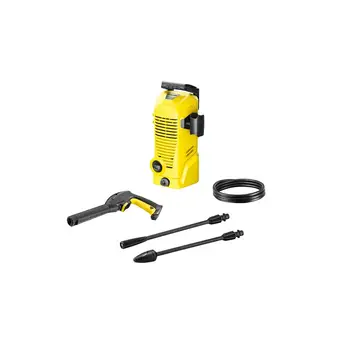
Why This Fits Their Persona: For maintaining exterior brickwork, flagstones, steps, and family cars, this compact pressure washer delivers controlled outdoor cleaning power in a manageable footprint. Built with a Quick Connect system, it pairs seamlessly with the supplied 4m high-pressure hose to let you move freely around garden paths, garden furniture, and vehicles without wrestling with rigid fittings.
It avoids the cumbersome bulk and complex assembly of heavy commercial units, providing an approachable setup that stores neatly in garden sheds or under indoor stairs.
The included flat-jet lance distributes water evenly across stone surfaces and automotive panels, lifting stubborn moss, road salt, and dirt quickly and effectively.
You should generally leave around 30mm to 50mm of clearance behind the machine cabinet. This extra space accommodates the corrugated waste pipe, cold water fill hose, and wall isolation tap without kinking the pipes or transmitting vibration directly into the wall.
Short 15-minute cycles are designed for refreshing lightly worn garments, gym gear, or small daily loads up to roughly 2kg. For mud, stubborn grease, or heavy cottons, standard cotton or mixed cycles at 40 degrees provide the necessary soak time and mechanical action for thorough soil removal.
Most domestic pressure washers connect directly to standard external garden bib taps using an ordinary garden hose and click-fit hose connectors. Ensure the water supply provides a steady flow to protect the internal pump from cavitation or running dry during prolonged cleaning sessions.