Housemates organising shared laundry
If several people use one machine for covers, clothes, towels and occasional bedding, drum capacity and workable cycle times matter to the household routine.


An 8kg freestanding machine can suit routine cover washing alongside ordinary laundry; consider 9kg if several housemates regularly combine covers with towels or bedding. Choose an integrated machine only if the installation calls for one, and check each cover’s care label before deciding which programmes and spin settings are suitable.
If several people use one machine for covers, clothes, towels and occasional bedding, drum capacity and workable cycle times matter to the household routine.
When a washable cover’s label limits temperature or spin, suitable programme controls matter more than the machine’s maximum spin speed.
A kitchen opening or utility space may determine the required machine format and dimensions. If the machine is close to bedrooms or shared rooms, compare its stated spin-noise information too.
Establish whether the opening needs a freestanding or integrated machine, then weigh 8kg against 9kg according to the household’s usual loads. Check cover care requirements before treating a fast cycle or high spin speed as a benefit.
| Concern | What to check | Who this matters to |
|---|---|---|
| Capacity and turnaround | Compare 8kg and 9kg rated capacities against the loads the house actually washes. Check the permitted load for any quick programme. | If covers usually go in with towels or bedding, I want enough capacity without assuming a short cycle handles a full drum. Around 37% of consumers would put capacity and turnaround first. |
| Cover care and disturbance | Check the cover label, available gentle programmes and lower-spin settings; compare stated spin-noise figures for machines near living areas. | When covers need gentler treatment or the machine is close to bedrooms, I would prioritise appropriate settings and manageable disturbance. For around 36% of consumers, cover care and noise would be the primary concern. |
| Fit and running information | Measure height, width and depth, and confirm the required installation format. Compare the specific models’ energy labels and product information. | If the opening is constrained or housemates need to compare running information, I need the chosen model to fit and its figures to be clear. Fit and running information would come first for around 27% of consumers. |
A faster spin removes more water, but a cover requiring delicate treatment may not permit the machine’s maximum setting.
Read each cover’s care label and check for a suitable programme and spin setting before buying.
A kilogram rating describes laundry capacity, not the space the appliance occupies. An integrated model also has different fitting requirements from a freestanding one.
Measure the opening and compare the exact height, width, depth and installation format of each shortlisted model.
A short programme may be specified for less laundry than the machine’s rated capacity, so its advertised duration may not suit a full shared-house load.
Check the load limit and conditions for the particular quick programme you expect to use.
The energy class does not settle whether a machine fits, offers suitable cover-care settings or works well with the household’s laundry schedule.
Compare the specific model’s label and product information alongside its dimensions, programmes and stated noise information.
Bosch has freestanding and built-in 8kg models to compare when the installation format is a deciding factor.
The freestanding BM3WT3841 is an 8kg, 1400rpm model relevant to households comparing routine loads and quick-wash options.
LG’s F4X7009TWB is a 9kg, 1400-spin freestanding option for comparing larger-load capacity.
The WWA120 WCS is an 8kg, 1400rpm front-loader to examine if programme choice for care-sensitive covers is a priority.
These 8kg and 9kg freestanding and integrated machines offer different ways to handle shared-house laundry. Choose the installation format first, then check each model’s settings against the covers you wash.
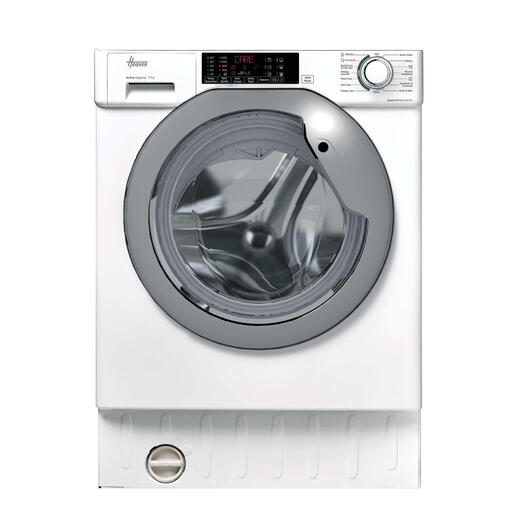 No image available
Consider this integrated model if the shared kitchen has a compatible appliance cabinet and larger mixed loads are routine.
The product title states a 9kg capacity, 1400rpm maximum spin and A energy class. Check the cabinet and door fitting, and select settings permitted by each cover’s care label.
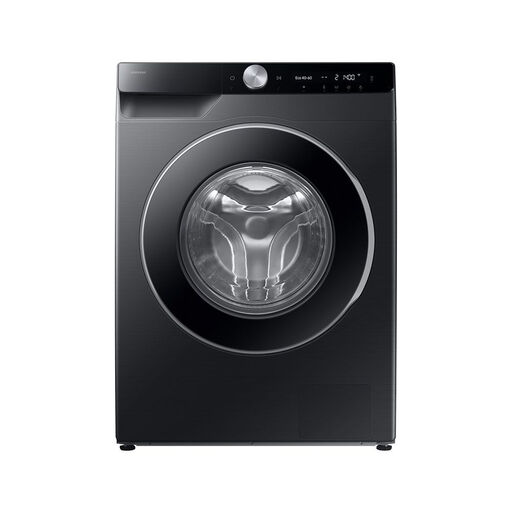 No image available
This freestanding option is worth considering when several residents regularly have larger mixed loads.
The product title states 9kg, 1400rpm and an A rating. If covers require delicate treatment, check the available programmes and permitted spin settings before choosing it.
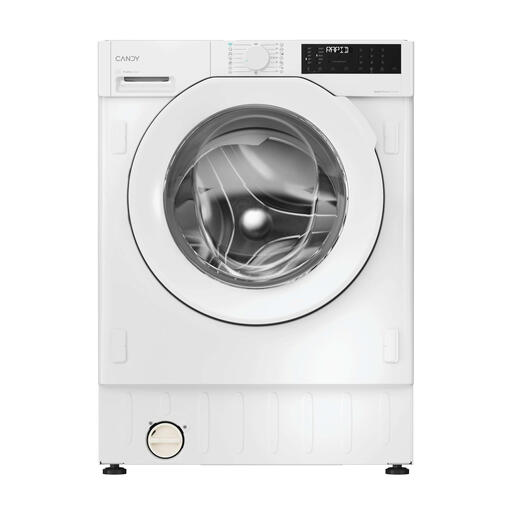 No image available
This integrated model is relevant when the household needs a fitted machine and regularly washes larger mixed loads.
The product title states 9kg, 1400 spin and an A rating. Confirm the cabinet and door arrangement, and check programme conditions before planning around a rapid wash.
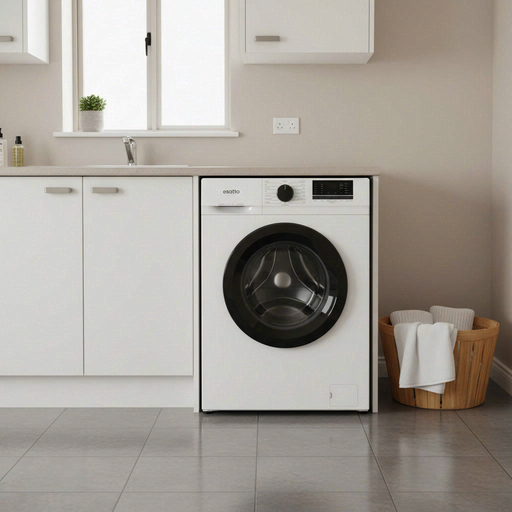 No image available
This freestanding 8kg option is relevant when covers are usually washed in smaller batches alongside ordinary laundry.
The product title states 1400rpm and an A rating. If a cover requires reduced spin, confirm that an appropriate setting is available; check the load limit before relying on a quick wash.
 No image available
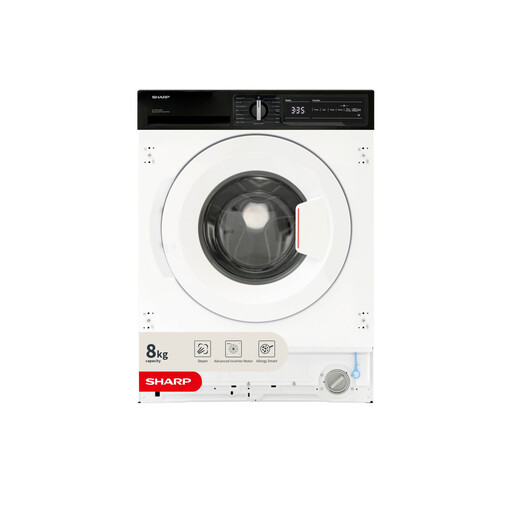
This 8kg integrated option is relevant to a shared kitchen that requires a fitted appliance rather than a freestanding one.
The product title states 1400rpm and an A rating. Confirm the opening and door fitting; if covers need delicate washing or reduced spin, check the available controls before buying.
No. A 9kg machine is worth considering if housemates regularly combine covers with bulky laundry, while 8kg may suit smaller batches or a more constrained opening. Capacity is a rated mass of dry textiles, not a guaranteed number of covers.
Only when the individual cover’s care label permits it. A faster spin removes more water, but the suitable programme, temperature and spin depend on the fabric’s instructions.
Measure the available height, width and depth, then establish whether the replacement must be freestanding or integrated. Compare those measurements with the exact model’s dimensions and, for an integrated machine, its cabinet and door-fitting requirements.
No. Use the specific model’s label and product information to compare the figures shown, but also check its dimensions, capacity and programmes against the household’s loads and the covers’ care labels.