Housemates managing laundry queues
People sharing one machine who need capacity for everyday clothing loads and rapid programmes with useful load limits.


For a shared house regularly washing cotton shorts and other everyday clothes, an 8–9kg freestanding machine is a practical starting point if it fits the available space; 7–9kg is suitable for homes of three or four people. Check rapid-cycle load limits before counting on shorter waits, and choose a spin setting that follows the shorts’ care label. Installation clearance and spin noise matter too, particularly when the machine is close to shared living space.
People sharing one machine who need capacity for everyday clothing loads and rapid programmes with useful load limits.
People who want to remove more water from cotton shorts before drying, while keeping the spin setting within the garment’s care instructions.
People who need to measure the installation space and compare model-specific spin-noise figures before choosing a machine.
For cotton shorts and everyday shared-house laundry, start with the loads housemates actually combine, then check fabric settings and whether the machine will fit without disrupting nearby rooms.
| Concern | What to check | Who this matters to |
|---|---|---|
| Capacity and laundry turnover | Compare drum capacity in kg and the permitted load and duration of any quick programme. | When several housemates share the machine, I need room for combined everyday loads without creating extra waits; around 40% of consumers put laundry turnover first. |
| Cotton care and drying | Check the cotton programme and selectable spin speeds against the shorts’ care label. | If I air-dry cotton shorts indoors, I want a suitable wash and a spin setting the label permits; roughly 30% of consumers prioritise cotton care and drying. |
| Fit and disruption | Measure the space and required clearance; compare the exact model’s spin noise and energy information. | With a machine near shared rooms, I need it to fit and want to understand how disruptive it may be to run; around 30% of consumers primarily focus on fit and day-to-day disruption. |
Drum size does not tell you how deep a machine is: Beko UK lists the 8kg BM3WT3841 at 54.6cm deep, while Indesit UK lists the 9kg BWE 91496X WV UK at 63.0cm deep.
Measure the intended space and access route, then check the exact model’s dimensions and room for hoses and the open door.
Programme limits differ even within one machine. Beko UK states that the BM3WT3841 has a 28-minute Quick programme for up to 8kg, but its 14-minute Super Quick programme is for 2kg.
Check both the load limit and the stated conditions for a rapid cycle before relying on it for a shared-house wash.
A manufacturer’s energy-saving or crease-reduction statement applies to its stated product and test conditions; it does not establish how another machine will perform.
Compare the exact models’ energy labels, product information and programme limits. Independent test results can provide another comparison where available.
Use these named models as reference points for capacity, programmes and dimensions rather than assuming the same features apply across an entire brand.
The freestanding WAN28281GB is a reference point for an 8kg shared-house machine.
The 8kg BM3WT3841 is relevant when rapid programmes and cabinet depth are important.
The 9kg IP 946S PUSH&GO UK offers a model-specific reference for cotton and rapid-programme choices.
These freestanding machines include 8kg and 9kg options for everyday shared loads, plus an 11kg option to consider when housemates regularly combine larger loads. Check each model’s programme limits and installation clearance against how the household actually washes clothes.
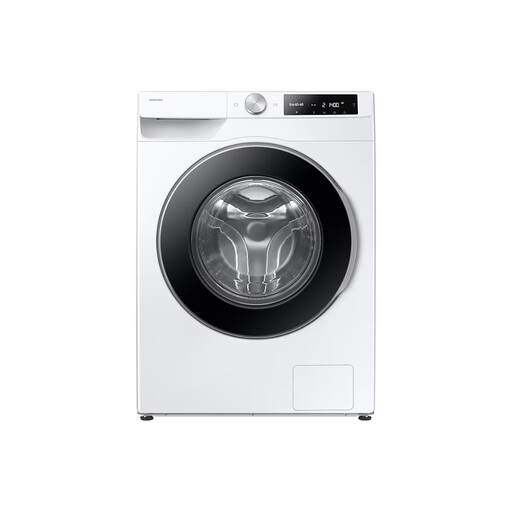 No image available
Consider this capacity where housemates combine everyday clothing loads.
9kg capacity; 1400rpm spin. Check the cotton settings, rapid-cycle conditions and space needed for installation.
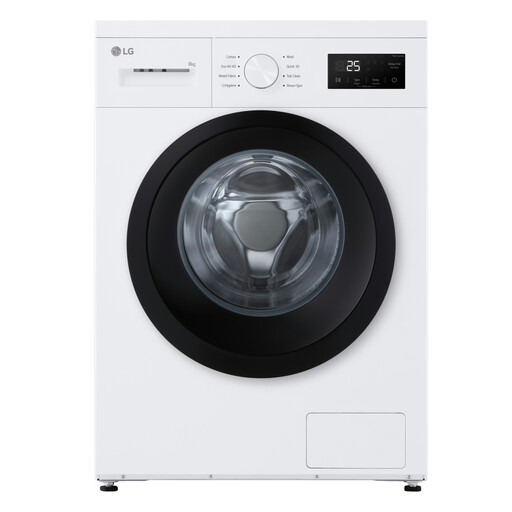 No image available
Consider this 8kg machine for regular shared-house clothing loads.
1400rpm spin; freestanding design. Check the full installed depth, cotton settings and permitted Quick 30 load before choosing it for a confined space or frequent short washes.
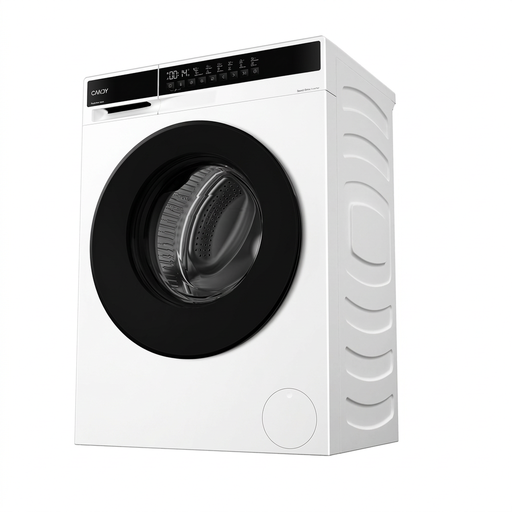 No image available
Consider this machine when cotton clothing and smaller, lightly soiled loads are both part of the household routine.
8kg capacity; 1400 spin. Check the quick-wash load limit and the exact model’s energy information before comparing it with other machines.
 No image available
Consider this capacity for everyday shared loads, then check which programme suits the cotton shorts being washed.
8kg capacity; 1400rpm spin. Confirm the quick-wash load limit, spin-noise figure and room for hoses and door movement.
 No image available
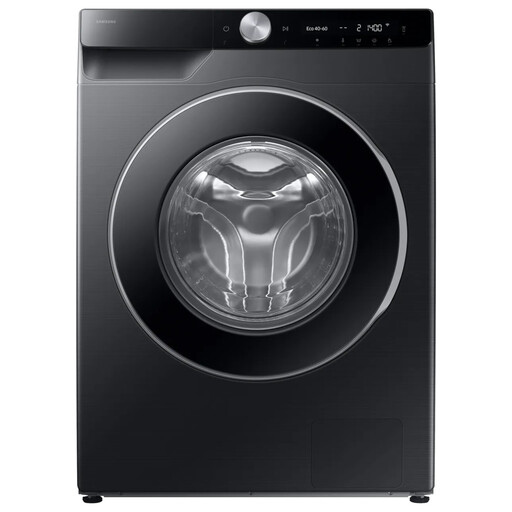
Consider the larger drum only if housemates regularly combine loads that make use of its capacity.
11kg capacity; 1400rpm spin. Measure the installation space and check the cotton and rapid-cycle conditions before choosing it over a smaller machine.
An 8–9kg machine is a practical starting range if it fits and several people share everyday loads. 7–9kg is suitable for homes of three or four people, but check how often your household combines clothing, towels and bedding rather than choosing by headcount alone.
Use a faster spin only when the shorts’ care label permits it. A higher spin can remove more water before air-drying; select a lower setting if the garment instructions call for gentler care.
A freestanding machine suits a space without a compatible built-in housing; consider an integrated machine when the cabinet and door arrangement are already suitable. For either type, measure width, height and depth and allow room for hoses and the door to open.
Compare the energy label and product information for the exact models you are considering, rather than relying on a brand’s savings claim. Check the programme conditions behind any comparison, especially if quick-cycle performance also matters to your household.