
24/7 全天候客户支持

免费退货

当日/次日达

品质保障

开启新人专享福利: 全场免邮 | 低至 2 折 | 免费试用 30 天 JoyPlus 会员
下载 Joybuy
Whether you need a bottle for commuting, gym sessions, university, travel or desk-based work, the right hydration product depends on more than colour and capacity. Many water bottles look practical online but become inconvenient when they leak, are difficult to clean or do not fit your everyday routine.
This guide explains the specifications worth checking before buying, highlights common marketing traps and matches several options to distinct lifestyles.
A 2.5 litre water jug reduces the need for refills, but it will be noticeably heavier when full. A 40 oz water bottle holds approximately 1,183 ml, offering substantial capacity without reaching the weight of a full-size jug.
Before ordering, check:
For example, the 40 oz POWCAN bottles listed below do not fit standard car cup holders, which may matter to commuters and drivers.
A leak-resistant design is only useful when the cap is properly closed and the seals are clean. Straw lids can also contain more parts than a basic screw cap, creating additional areas where residue may collect.
Look for:
Do not assume that a bottle suitable for cold water is also suitable for fizzy drinks. Pressure can build inside some containers and cause leakage.
An insulated water bottle can help cold drinks stay chilled and reduce exterior condensation, but performance depends on the starting temperature, how often the lid is opened and the surrounding conditions. A non-insulated bottle may be lighter and easier to carry for short journeys.
For everyday use, choose insulation when you regularly carry drinks for several hours. For a short walk from home to the office, a lighter reusable water bottle may be more convenient.
Choose capacity according to your routine rather than an impressive number on the product page:
A larger bottle is not automatically more economical if it is too bulky to carry and ends up being left at home.
A BPA-free water bottle should clearly identify the materials used in the bottle and lid. BPA-free does not mean every component is made from the same material, so check whether the container uses stainless steel, PETG, polypropylene or another plastic.
A stainless steel water bottle can offer a durable, opaque body and is commonly selected for insulated designs. Check the care instructions carefully: some bottles are hand-wash only, while the lid may be dishwasher-safe.
For plastic products, follow the stated temperature limits. The Applied Nutrition jug, for example, is intended for cold or lukewarm drinks and should not be used with hot, boiling or carbonated liquids.
A water bottle with straw allows convenient sipping while walking, training or working. A wide-mouth bottle is generally easier to fill with ice and clean thoroughly. Some two-in-one lids combine a straw with a wider spout, giving you two ways to drink.
Consider whether you prefer:
Regular cleaning is important for taste and hygiene. Dry all components fully before reassembling, particularly around the straw and cap seal.
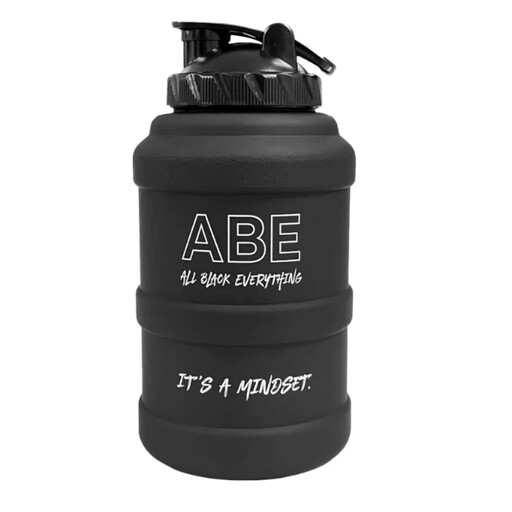
Why This Fits Their Persona: A large-capacity option for office workers, students and gym users who want fewer refills without buying several smaller bottles.
The separate drinking opening avoids repeatedly removing the main cap, while the wide opening makes filling and cleaning more straightforward.
2.5-litre capacity, carry handle, screw cap and separate drinking spout. It is made from BPA-free plastic and is intended for cold or lukewarm drinks.
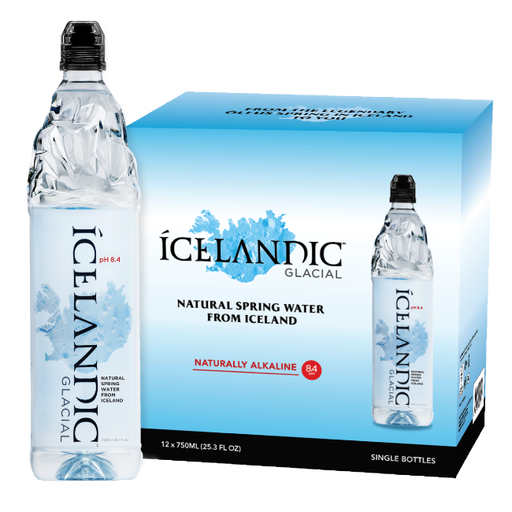
Why This Fits Their Persona: A convenient choice for households, hospitality settings and consumers seeking portioned natural mineral water rather than a reusable container.
The 750 ml format is easier to allocate than a large shared bottle, and the sports cap is designed for convenient drinking on the move. Check the seal and storage guidance before use.
A 12-bottle pack of still natural mineral water from Iceland, supplied in recycled PET packaging and identified as BPA-free in the listing.
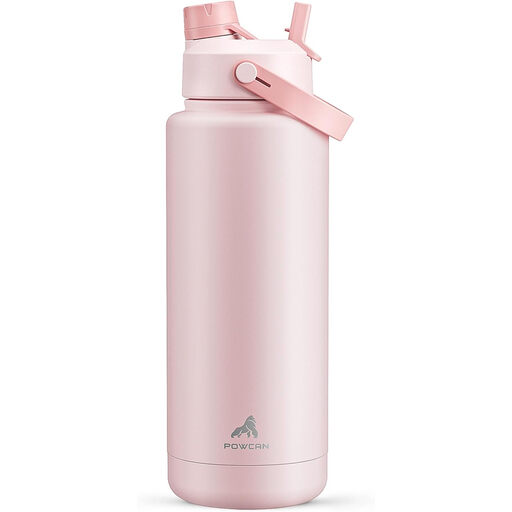
Why This Fits Their Persona: Suited to gym-goers, athletes and travellers who want a large stainless steel bottle with two drinking options and temperature retention.
The product information states the cup and straw require hand washing, making the care requirement clear. It also warns against microwaves, ovens and carbonated drinks.
18/8 stainless steel, BPA-free components, double-wall vacuum insulation and a 2-in-1 lid. The listing specifies up to 24 hours cold and up to 12 hours warm, subject to use conditions.
We have compiled a complete, real-time list of products that fully satisfy these strict selection criteria and UK safety regulations.
A reusable water bottle can reduce repeated purchases and is convenient when you have reliable access to a tap. It requires regular cleaning and may need replacement if the body, lid or seal becomes cracked.
Single-use options, including recycled PET water bottles, can be useful for events, visitors or situations where washing facilities are unavailable. If buying natural mineral water, check the label for source, volume, storage instructions and best-before information. Terms such as Icelandic bottled water describe origin or product type; they should not be treated as medical or nutritional endorsements.
Replace it when it develops cracks, persistent odour, damaged threads, a worn seal or a lid that no longer closes securely. Lifespan varies according to material, cleaning routine and frequency of use. Inspect straws and seals regularly, as these parts can wear before the main bottle.
They may be worthwhile if you carry cold or warm drinks for several hours, train outdoors or want to reduce condensation in a bag. For short journeys, a standard bottle can be lighter and less expensive. Compare the full weight, cleaning instructions and dimensions rather than insulation claims alone.
Only if the manufacturer specifically permits it. Some screw-cap and straw designs warn against carbonated drinks because pressure may cause leakage or force the lid open. Always follow the product instructions and avoid hot liquids unless the bottle is explicitly rated for them.