
24/7 Customer Support

Free returns

Same-day & Next-day Delivery

Quality Guaranteed

Unlock Your Welcome Offers: FREE Delivery | Up to 80% OFF | Free 30-day JoyPlus trial
Download the APP
Choosing between water bottles and hydration drinks can seem straightforward until a bottle leaks into your work bag or a supposedly refreshing drink contains more sugar than expected. For commuters, gym-goers, students, athletes and football fans, the right choice depends on capacity, portability, materials, cleaning and the type of drink you plan to carry.
This guide highlights common buying traps, explains the specifications worth checking and matches practical products to different UK lifestyles.
A bottle may be described as leakproof, but the lid design and usage instructions still matter. Straw lids, flip caps and screw tops can behave differently. Some products only provide a fully sealed fit when the straw is removed, while others require the cap to click or screw firmly into position.
Before buying, check:
Large water jugs reduce refilling, but a 2.5-litre container may be awkward on a crowded train or difficult to fit into a standard car cup holder. A 500ml glass water bottle is easier to carry but may require several refills during a long day.
Match capacity to your routine:
A bottle used for water may need different care from one used for sports drinks, herbal tea drinks or sweetened beverages. Narrow necks can make residue difficult to remove, while complicated lids may trap moisture.
Check whether the bottle is dishwasher safe, hand-wash only or supplied with removable parts. Also follow warnings about hot, carbonated or boiling liquids. A container designed for cold water may not be suitable for fizzy drinks or hot beverages.
Capacity should be considered alongside external measurements. A 1-litre bottle may fit a backpack side pocket but not every vehicle cup holder. Tapered designs are useful for commuters, while carry loops and ergonomic handles help when travelling between the gym, office and home.
For sports use, look for a quick-access drinking spout or flip cap. Football water bottles and sports water bottles are often handled during movement, so a secure closure and easy grip are more practical than decorative features alone.
Stainless steel water bottles and insulated tumblers can help maintain the temperature of cold drinks. Double-wall vacuum insulation works by reducing heat transfer between the liquid and the surrounding air. However, insulation does not remove the need for regular cleaning.
Glass water bottles, particularly those made from borosilicate glass, can resist staining and flavour transfer. They are suitable for users who prefer a neutral-tasting container, although glass requires careful handling. A silicone sleeve or protective base provides some impact protection but does not make the bottle unbreakable.
Plastic bottles and large water jugs are generally lightweight and convenient for active use. Always check the stated material, BPA information and product warnings rather than relying on broad claims such as “premium” or “eco-friendly”.
A reliable lid should suit how you drink. Straw lids are convenient at a desk or in the car, while screw tops are often simpler to clean. Look for clear instructions on whether the lid is leakproof with the straw fitted, whether parts can be removed and how the seal should be maintained.
Do not use a container with cracks, damaged threads or a distorted seal. For reusable hydration products, storing the bottle with the lid removed can help it dry fully between uses.
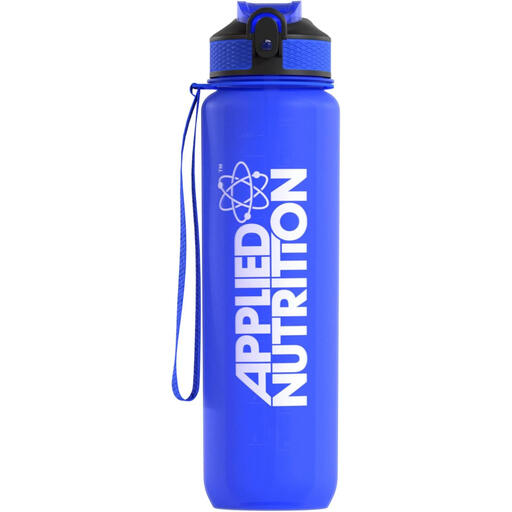
Why This Fits Their Persona: The 1-litre capacity suits office workers, students and gym beginners who want fewer refills without carrying a large jug around the UK.
The screw-top lid and flip-cap closure are designed to reduce accidental spills, while measurement markings make the stated capacity easy to monitor.
1,000ml capacity, carry handle, measurement indicators and impact-resistant construction.
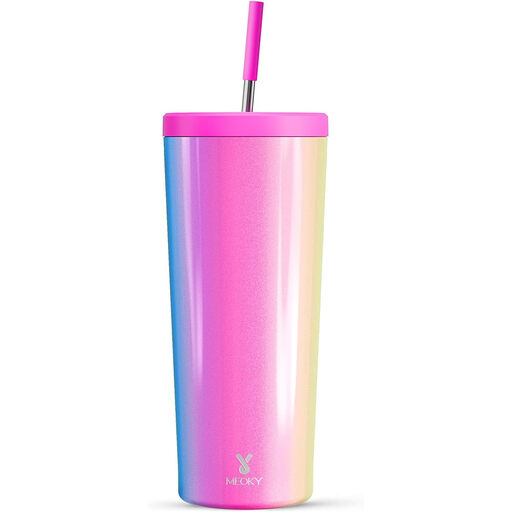
Why This Fits Their Persona: This insulated tumbler suits commuters and drivers who prefer cold drinks and need a tapered base for a car cup holder.
Its leakproof function is specified with the straw removed, making the condition clear rather than relying on a vague lid claim.
18/8 stainless steel, double-wall vacuum insulation, non-slip base and 24oz capacity.
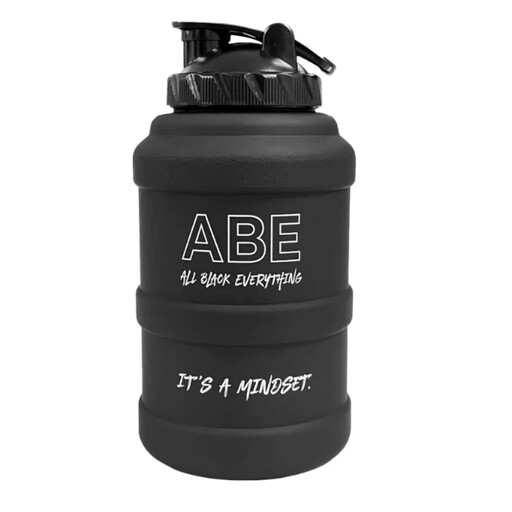
Why This Fits Their Persona: The generous capacity is practical for long gym sessions, outdoor activities, extended travel or a full day at a desk.
The main screw cap, separate drinking opening and wide filling spout make the large format easier to use than a basic oversized bottle.
2.5-litre capacity, separate drinking spout, wide opening and ergonomic carry handle.
Reusable water bottles are suitable for tap water and still drinks, while ready-to-drink beverages can be useful when convenience matters. Check the nutrition panel before purchasing:
These drinks should not automatically be treated as healthier choices. Compare sugar, portion size, ingredients and storage instructions. Refrigerate products after opening where stated and check the packaging for current allergen and nutritional information.
Football supporters can also choose reusable football water bottles, such as licensed Newcastle United, Manchester City or Tottenham Hotspur designs. These 1-litre bottles combine club graphics with a practical format for school, work, training or matchday use. For temperature control, a 500ml UEFA Champions League stainless steel bottle provides double-wall insulation and a screw cap, but it should not be used with highly carbonated drinks.
We have compiled a complete, real-time list of products that fully satisfy these strict selection criteria and UK safety regulations.
They can reduce repeat purchases when used regularly, particularly with tap water. The overall value depends on the bottle’s purchase price, cleaning requirements and how often it is used. Ready-to-drink beverages remain convenient but are purchased repeatedly and may contain added sugar.
There is no universal lifespan. Replace a bottle if it develops cracks, dents affecting the seal, persistent odour, damaged threads or a loose lid. Inspect silicone gaskets and flip-cap hinges regularly, as these components can wear before the main container.
Only if the product instructions allow it. Some containers are designed for cold or room-temperature liquids and specifically warn against hot or boiling drinks. Follow the supplied care guidance, avoid microwaves and take extra care with insulated bottles because hot liquid can create pressure or burn risk.