
24/7 Customer Support

Free returns

Same-day & Next-day Delivery

Quality Guaranteed

Unlock Your Welcome Offers: FREE Delivery | Up to 80% OFF | Free 30-day JoyPlus trial
Download the APP
Choosing between reusable water bottles, hydration drinks and bottled water multipacks can seem straightforward. In practice, attractive packaging and broad performance claims often hide details that affect everyday use. A bottle may leak in a work bag, a large jug may be awkward to carry, or a sports drink may contain more sweetener or sugar than expected.
This guide explains the key features to check before buying water bottles and hydration drinks for commuting, studying, exercise, matchdays and travel.
Leak resistance depends on the lid design, seal condition and how the product is used. A straw lid may be suitable for drinking at a desk, but it may not be fully leakproof while lying sideways in a backpack. Some products are only sealed when the straw is removed, while others use a screw cap or flip-cap lock.
Before purchasing, check:
A 1-litre bottle may reduce refilling during a workday, while a 2.5-litre jug can suit long gym sessions or desk-based use. However, more capacity also means additional weight when full. A large bottle may not fit a standard backpack pocket, bicycle holder or car cup holder.
For regular commuting, a 500ml to 750ml bottle is often easier to carry. Large-capacity water jugs are more suitable when they will remain near a desk, gym station or car.
Electrolyte drinks, sugar-free hydration drinks and bottled water serve different purposes. Compare the ingredients, sugar, energy, salt and serving size rather than relying on terms such as “refreshing” or “active”. Some drinks contain sweeteners, while others include allergens such as barley.
Always read the UK product label before consumption, particularly if you have allergies or dietary restrictions. Hydration beverages are not automatically suitable for every person or activity.
Stainless steel water bottles are generally chosen for durability and insulation. Double-wall vacuum construction can help maintain the temperature of cold or hot drinks, but care instructions vary. For example, some insulated tumblers should be hand washed and should not be used with hot beverages.
Glass water bottles can resist staining and taste transfer. Borosilicate glass is designed for everyday drinkware, but it can still break if dropped or exposed to sudden temperature changes. A silicone sleeve or base offers some protection, not a guarantee against breakage.
Plastic sports water bottles and football club water bottles are usually lightweight and convenient. Check the material information, lid warnings and whether the product is intended for cold or room-temperature drinks.
Match capacity to your routine:
Look for dimensions as well as volume. A tapered base can help a tumbler fit a car cup holder, while a carry loop is useful for travel and gym bags.
A secure screw-top lid is generally straightforward to inspect and clean. Flip caps offer faster access, but the locking mechanism and seal need regular checking. Wide openings make it easier to add ice and clean the interior.
Do not assume an insulated bottle is suitable for boiling liquids. Some products specifically warn against hot drinks, carbonated beverages, microwaves, freezing or dishwashers. Following the supplied instructions can help preserve seals and reduce avoidable spills.
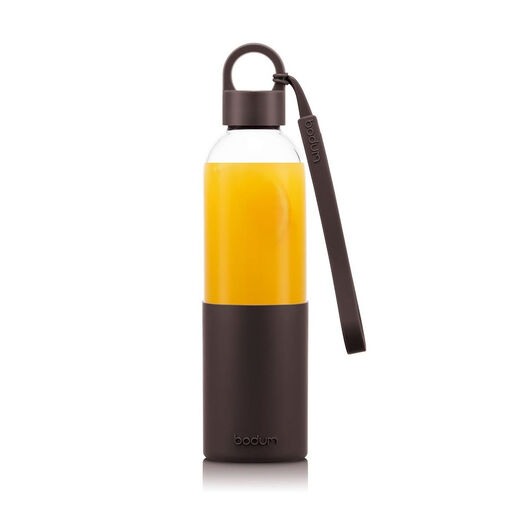
Why This Fits Their Persona: A manageable 0.5-litre option for students, commuters and office workers who want a reusable bottle without carrying a large container.
Its leakproof screw cap uses a silicone gasket, while the silicone sleeve and base provide some protection around the glass body.
Borosilicate glass, carrying strap and dishwasher-safe bottle components. Handle carefully and avoid sudden temperature changes.
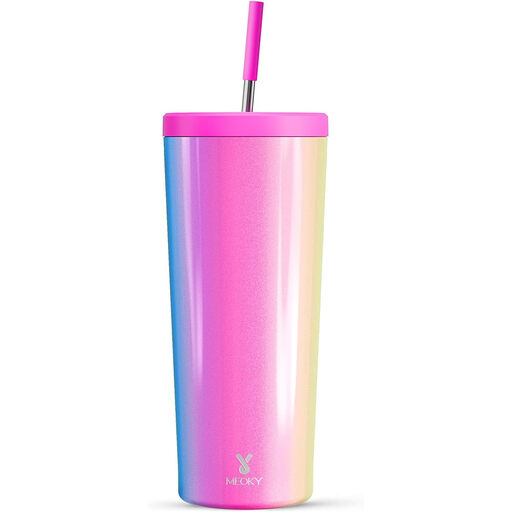
Why This Fits Their Persona: Suitable for commuters and drivers who prefer cold drinks, a straw and a shape designed for most car cup holders.
The lid is described as leakproof when the straw is removed, so users can choose the sealed configuration for transport.
24-ounce capacity, 18/8 stainless steel, double-wall vacuum insulation and a non-slip base. Hand wash only.
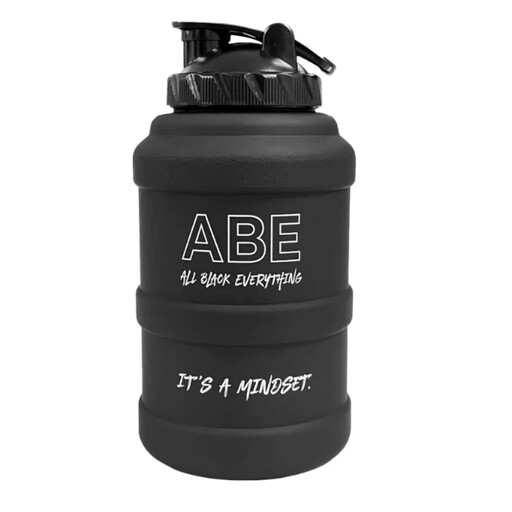
Why This Fits Their Persona: Designed for gym-goers, athletes, travellers and people spending long periods at a desk who want fewer refills.
It combines a screw cap with a separate drinking opening, helping reduce the need to remove the main cap repeatedly.
2.5-litre capacity, carry handle and wide opening for water, ice or sports drinks. Not suitable for hot or carbonated liquids.
For convenient stock at home, bottled water multipacks such as 330ml still water can suit offices, events and packed lunches. Smaller bottles are easy to distribute, although reusable bottles may reduce ongoing single-use packaging when practical.
For exercise or warm-weather activities, compare electrolyte drinks by label. Some options come in 600ml bottles and multipacks, while sugar-free varieties may use erythritol or sucralose. Check allergen information: a red bean and barley drink, for example, contains barley and therefore cereals containing gluten. Consider chilled storage, serving size and whether you genuinely need a flavoured drink for your intended activity.
Football supporters can also choose 1-litre football club water bottles featuring Manchester City, Tottenham Hotspur or Newcastle United designs. These combine club branding with practical capacity, but check the lid instructions and whether the bottle is suitable for carbonated drinks.
We have compiled a complete, real-time list of products that fully satisfy these strict selection criteria and UK safety regulations.
Wash it after each day of use, paying particular attention to the lid, gasket, straw and drinking opening. Follow the product instructions: some glass bottles are dishwasher safe, while insulated tumblers and large jugs may require hand washing.
Its lifespan depends on material, frequency of use and care. Replace a bottle if it develops cracks, dents that affect sealing, persistent odour or a damaged gasket. Glass bottles should not be used if chipped or cracked.
Cost depends on pack size, promotions and how frequently you buy them. Compare the price per litre rather than the pack price alone. Plain tap water in a reusable bottle may be more economical for everyday hydration, while ready-to-drink beverages offer convenience for travel, sport or events.