People building a nightly routine
If you want a repeatable step before bed, look for intensity settings you can adjust comfortably and a reservoir that fits the time you expect to spend cleaning.


For a bedtime routine at a fixed sink, a countertop water flosser may suit you if you have space for it and want a longer session between refills; Waterpik’s Ultra Professional, for example, lists more pressure settings and a longer reservoir run time than its Cordless Advanced. Choose cordless when storage or travel matters more, and check the run time of the exact model. A water flosser is not an automatic replacement for your existing interdental method: the NHS advises cleaning between teeth daily with floss or an interdental brush.
If you want a repeatable step before bed, look for intensity settings you can adjust comfortably and a reservoir that fits the time you expect to spend cleaning.
If dental work makes some areas awkward to reach, check the exact model’s supplied tips and compatible replacements. Ask your dentist or hygienist whether and how a water flosser fits your recommended routine.
A handheld device can be easier to put away or carry, provided its water supply and charging or battery arrangement suit the way you will use it.
Start with where the flosser will live. Then consider whether an uninterrupted session, a particular tip or compact storage matters most to your bedtime routine.
Choose it when: You have a regular place beside a socket and want a longer session between refills. Waterpik lists 10 pressure settings and a 90-second reservoir for its Ultra Professional.
Allow for: Space on the counter and a plug; this format is less convenient to pack away or travel with.
Choose it when: You need to store the device after use or take it away. Handheld options include rechargeable models and battery-powered travel models.
Allow for: More frequent refilling on some models. Compare the stated reservoir run time and how the exact device is powered.
| Concern | What to check | Who this matters to |
|---|---|---|
| A repeatable bedtime routine | Compare intensity settings and stated reservoir run time. A lower starting setting and fewer refills may make the routine easier to manage. | I want a comfortable step I can repeat before bed without stopping to refill. Around 44% of consumers put that routine first. |
| Access around dental work | Check which tips come with the exact model and whether compatible replacements are available. Follow individual dental advice about cleaning around braces or implants. | With braces or implants, I need to reach particular areas without assuming a standard nozzle meets my needs. Around 33% of consumers make access around dental work their primary concern. |
| Storage and travel | Compare device size, water supply and whether it charges or uses replaceable batteries. Check the model’s tank-cleaning instructions too. | I have little bathroom storage or need to pack the device, so its size and power arrangement affect whether I will use it. Around 23% of consumers put portability first. |
The NHS recommends daily flossing or an interdental brush to remove food, debris and plaque between teeth. Buying a water flosser does not, by itself, establish that changing your method is right for your teeth or dental work.
Treat it as an addition to your routine unless your dentist or hygienist advises you otherwise, particularly if you have braces, implants, gum disease or recent treatment.
Portability and uninterrupted use pull in different directions. Panasonic states approximately 35 seconds at level 2 for its EW-DJ11 travel model; Waterpik lists up to 45 seconds for Cordless Advanced and a 90-second reservoir for Ultra Professional. These are manufacturers’ figures for different models and conditions, not a like-for-like performance test.
Compare the exact model’s stated run time and refill process with the length of session you want before bed.
The included nozzles, tank-care instructions and power supply affect how straightforward a device is to keep using. For example, Panasonic says its EW-DJ11 uses two AA batteries, which are not included.
Check the included tips, compatible replacements, charging or battery requirements and the manual’s reservoir-cleaning instructions before choosing a model.
Replacement tips and, for devices such as the EW-DJ11, disposable batteries are ongoing items to plan for.
These ranges illustrate different designs and features; suitability depends on the exact model and what your routine requires.
Its UK range includes cordless and countertop models, with some tip sets intended for cleaning around orthodontic appliances or implants.
Its Cordless Power Flosser range is a handheld option for people weighing adjustable settings against storage and charging needs.
The range includes battery-powered travel and rechargeable oral irrigators.
AquaCare is a cordless option with a choice of water-stream styles and pressure settings.
These handheld choices are relevant if you want adjustable settings without keeping a countertop device beside the sink. Compare their named variants, water supply and tips against your bedtime routine; the countertop option discussed above remains a separate choice.
 No image available
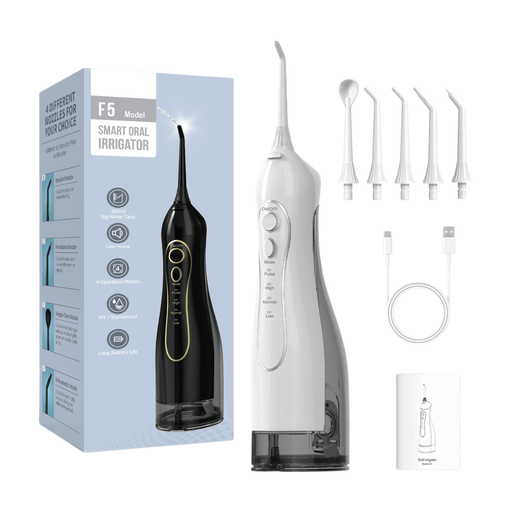
Consider this cordless model if you want to adjust the setting during a bedtime routine. Its product name specifies five modes, a 300 ml tank and a rotating nozzle.
If a particular nozzle is important for cleaning around braces, confirm what comes with this variant and whether replacements are available.
 No image available
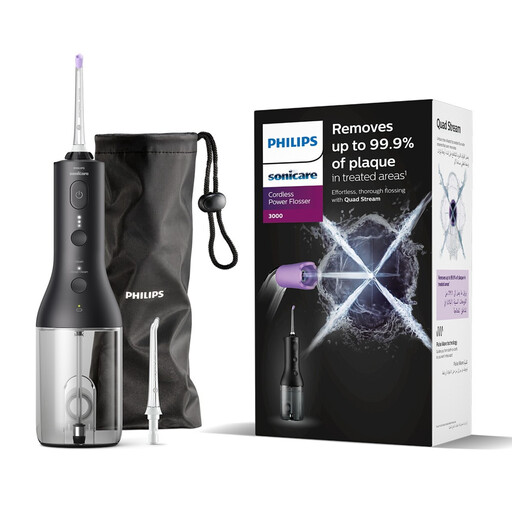
This cordless variant is worth considering if you want a choice of settings before bed. Its product name specifies two modes and three intensities.
Check the HX3826/33 listing for its included nozzles and charging interval, especially if you plan to pack it for travel.
 No image available
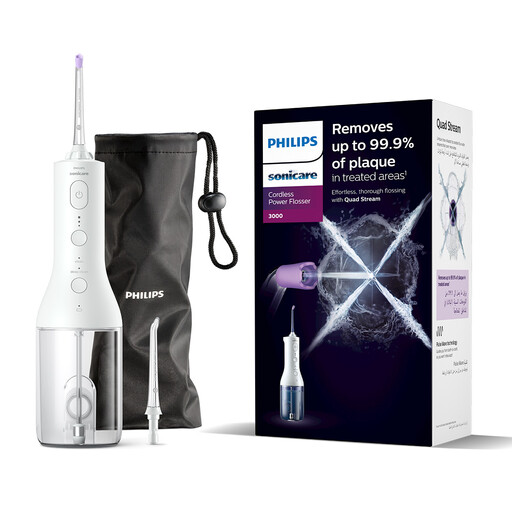
For a cordless bedtime routine with adjustable settings, this white HX3826/31 variant names two modes and three intensities. Philips lists a 250 ml reservoir for this model.
If you need a specialist tip or plan to use it away from home, check the supplied nozzles and charging arrangements for this exact variant.
 No image available
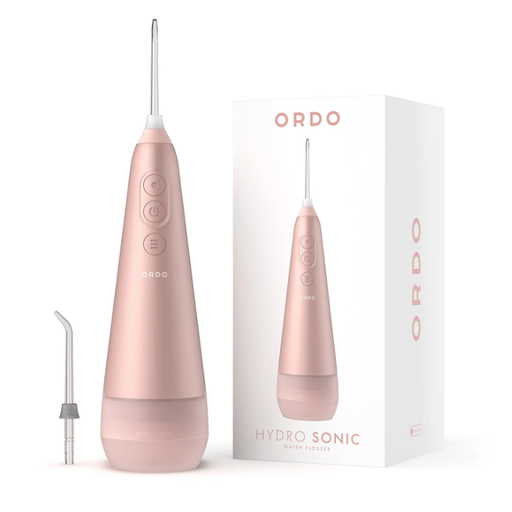
Consider this handheld model if you want control over the water flow: its product name specifies an on-demand mode and three pressure settings. It also names a travel lock.
If you are buying it for cleaning around braces or implants, confirm the included tip and compatible replacements rather than relying on a general suitability claim.
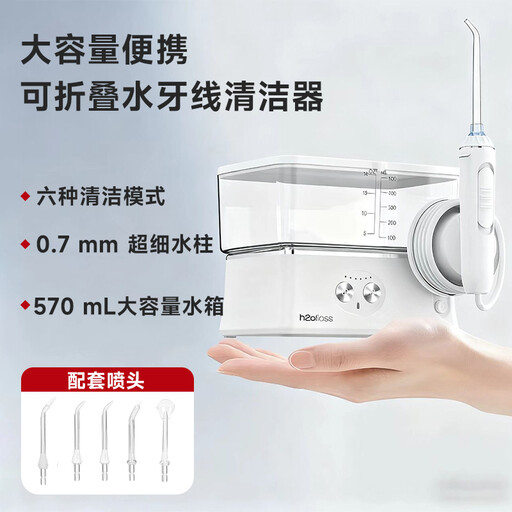 No image available
This portable model may appeal if you want several named modes and supplied spray heads. Confirm which head suits your intended use before relying on it for cleaning around dental work.
Check the exact tank capacity when planning how often you may need to refill, as well as the charging method and replacement-head options.
Do not assume it is a direct replacement. The NHS advises daily flossing or use of an interdental brush; if you want to change that method, ask your dentist or hygienist what suits your teeth and any braces, implants or recent treatment.
Follow your model’s instructions and begin gently. Oral-B’s device guidance suggests warm water, low pressure and a standard tip to start; if use causes persistent pain or bleeding, seek dental advice rather than increasing the pressure.
Check whether the exact model includes a suitable tip and whether replacements fit it. A specialist tip does not establish that the device should replace your recommended interdental method, so ask your dental professional how to clean around your particular dental work.
Follow the cleaning instructions for your exact model. Panasonic says the EW-DJ11 has a detachable, dishwasher-safe tank, but that does not mean another device’s tank or tips can be cleaned the same way.
Use an appropriate electrical-waste collection route rather than putting the device in household rubbish. The Office for Product Safety and Standards also advises taking waste batteries to an appropriate recycling collection point.