
24/7 Customer Support

Free returns

Same-day & Next-day Delivery

Quality Guaranteed

Unlock Your Welcome Offers: FREE Delivery | Up to 80% OFF | Free 30-day JoyPlus trial
Download the APP
A water flosser can make cleaning between teeth more convenient, particularly for people with braces, bridges, crowns, implants or limited time for traditional flossing. However, product listings often focus on impressive pressure figures, long battery claims and waterproof ratings without explaining how those specifications affect everyday use.
Before buying an electric water flosser, look beyond the headline features. A suitable device should be comfortable to use, simple to clean and practical for your bathroom, routine and travel needs.
A high-pressure water flosser is not automatically suitable for everyone. A powerful setting may be useful for dislodging food debris, but beginners and people with sensitive gums may prefer a lower, gentler flow.
The more useful specification is the range of adjustment. Look for at least a soft or low-pressure setting, followed by standard and stronger options. Pulse modes, which alternate the water flow, can also provide a different cleaning feel from a continuous stream.
Start at the lowest comfortable setting and increase gradually. Stop using the device and seek dental advice if discomfort or bleeding persists.
A rechargeable water flosser may advertise several weeks or months of use from one charge. In practice, battery life depends on cleaning mode, session length, charging conditions and how frequently the device is used.
Check the battery capacity, charging connection and approximate charging time together. USB-C is convenient if you already use compatible cables at home, in the office or while travelling. Also check whether the flosser can be used while charging; many cordless models are intended for use only when disconnected from power.
A compact tank saves space but may require refilling during a session. A larger reservoir is more convenient for home use, although it can add weight and take up more room in a washbag.
The tank should be easy to remove, rinse and dry. After each use, empty remaining water and allow the reservoir and nozzle to air dry. A water flosser with hidden corners or difficult-to-remove parts may be less convenient to maintain over time, regardless of its feature list.
Pressure is commonly listed in PSI, while pulse frequency is shown as water flows or pulses per minute. These figures describe how the device operates; they do not independently establish a health or treatment outcome.
For flexible everyday use, compare:
A water flosser for braces should include an orthodontic tip, or at least offer compatible replacement nozzles. For implants, crowns and bridges, select a model with suitable attachments and follow advice from your dental professional.
A portable water flosser with a 150–260ml tank can be easier to carry, but may need topping up. Models around 300–570ml are more suitable if you prefer fewer interruptions at the sink.
For a travel water flosser, consider the full packed size rather than just the handle. A travel lock, leak-resistant tank, detachable reservoir and built-in tip storage can help prevent spills in luggage.
IP ratings describe resistance to water and dust under specified test conditions. For example, IPX7 generally indicates protection during temporary immersion under defined conditions, while IPX8 refers to immersion conditions specified by the manufacturer. These ratings do not mean the device should remain submerged indefinitely.
Never charge a waterproof water flosser when its charging port or cable is wet. Use lukewarm water within the temperature limit stated in the instructions, and do not point a high-pressure stream towards the eyes, ears, nose or throat.
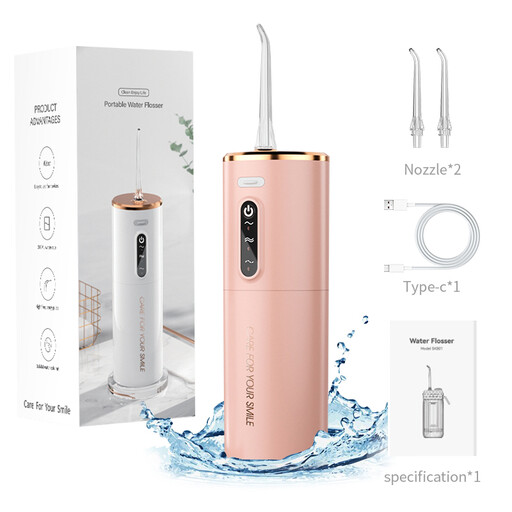
Why This Fits Their Persona: A straightforward cordless water flosser for shoppers who want adjustable everyday cleaning without a large countertop unit. Its removable 280ml tank is practical for routine use.
It provides three frequency options, including a gentle setting, rather than relying on one fixed high-pressure stream.
60–100 PSI range, 280ml removable tank, USB rechargeable battery and IPX7 water resistance.
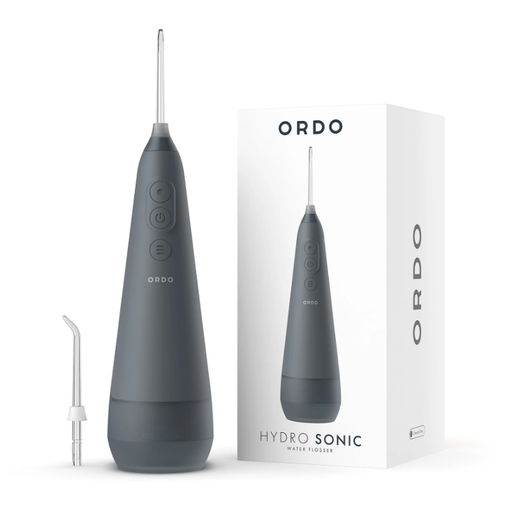
Why This Fits Their Persona: Suits users who want a more controlled home-and-travel oral irrigator with a travel lock and USB-C charging for regular use.
The travel lock addresses leakage concerns, while three pressure settings and on-demand operation offer more control than a single-mode device.
260ml tank, 80–160 PSI listed range, 360° nozzle rotation, IPX7 rating and USB-C charging.
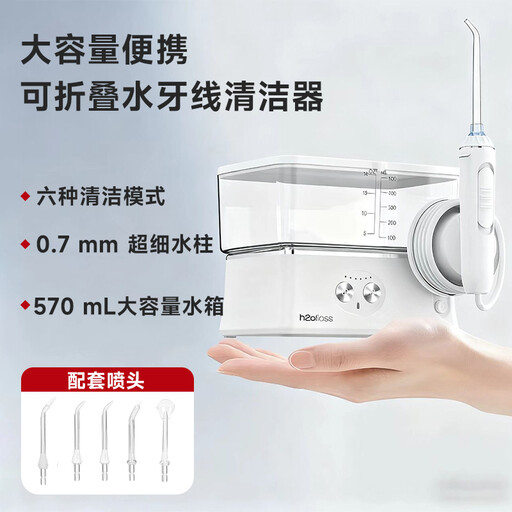
Why This Fits Their Persona: The larger tank and multiple modes suit households, frequent users or anyone who dislikes refilling a small portable reservoir.
Its 570ml tank reduces the need for repeated filling, while six modes and five spray heads offer options for different routines.
2500mAh battery, six cleaning modes, five included spray heads and IPX7 waterproofing.
Use clean, lukewarm water and fill the reservoir according to the instructions. Lean over the sink, place the nozzle in your mouth before switching on the device, and keep your lips slightly open so water can drain safely.
Move the tip slowly along the gumline and between teeth rather than holding it in one place. Do not share nozzles unless the manufacturer provides a suitable hygienic system. Rinse the tip after use, empty the tank and keep the charging port dry.
A water flosser is generally intended to complement brushing and interdental cleaning, not replace your complete oral-care routine. If you have recently had oral surgery, persistent gum problems or concerns about dental work, ask your dentist whether an oral irrigator is appropriate.
We have compiled a complete, real-time list of products that fully satisfy these strict selection criteria and UK safety regulations.
It can be convenient around brackets and wires, provided the device has an appropriate orthodontic nozzle and adjustable pressure. Begin gently and follow any specific instructions from your orthodontic team.
Battery life varies by model and usage. Product specifications may range from around 30 days to up to 90 days per charge, but frequent high-pressure use can reduce the practical runtime. Check whether replacement nozzles and charging accessories are available before buying.
Electricity use is usually limited because the device is battery-operated and charged periodically. The recurring costs are more likely to come from replacement nozzles and, depending on the model, batteries or accessories. Compare the included tip types and recommended replacement schedule as part of the total ownership cost.