What should you check before buying?
Decide which part of interdental cleaning is hardest for you: keeping up the routine, starting comfortably or reaching around dental work. Then check the features that address that need on the exact model you intend to buy.
| Concern |
What to check |
Who this matters to |
| Keeping up the routine |
Check how the tank fills and empties, its stated capacity and the charging method. |
If filling and cleaning the device feels like a chore, I need one that fits the time and space I have each day. Around 40% of consumers put a sustainable routine first. |
| Starting comfortably |
Look for selectable pressure levels, including a low or sensitive setting. |
When I am learning to aim the jet, I want to begin gently rather than tolerate an uncomfortable setting. For around 30% of consumers, pressure control is the primary concern. |
| Reaching around dental work |
Confirm the supplied tip and compatible replacement tips for the exact model. |
With braces, implants or restorations, I need to know whether the nozzle suits the areas I have been advised to clean. Suitable tip access comes first for around 30% of consumers. |
Brands to consider
These brands illustrate different formats and features. Compare the exact model and its compatible tips rather than treating a brand name as a substitute for those checks.
Waterpik
Waterpik offers cordless and countertop water flossers in its UK range, including systems with tips intended for particular dental-work needs.
- Its range lets you compare a compact cordless format with a countertop format.
- Waterpik says some Precision tips differ between cordless and countertop systems; confirm compatibility by model.
Philips Sonicare
The cordless Power Flosser range includes the HX3826/33, which Philips UK lists with a 250 ml reservoir, two modes and three intensity settings.
- The HX3826/33 offers several settings in a rechargeable cordless format.
- Check its charging arrangement and tank size against where and how you plan to use it.
Oral-B
Oral-B positions its cordless AquaCare irrigators around adjustable pressure and focused or rotational water streams.
- Oral-B describes intense, medium and sensitive pressure options.
- Check the exact nozzle and model if you need to clean around braces or implants; brand-level descriptions do not establish tip compatibility.
Panasonic
Panasonic's UK Series 300 EW-DJ26 is a cordless option with five pressure levels.
- Panasonic lists a 200 ml reservoir, a detachable dishwasher-safe tank and two included regular nozzles for the EW-DJ26.
- If you need a tip for dental work, check what the EW-DJ26 accepts rather than relying on its included regular nozzles.
Ordo
Ordo's Hydro Sonic cordless model is listed with three pressure settings, a 260 ml tank and USB-C charging.
- Its stated settings and on-demand operation offer choices for establishing a routine.
- Allow for Ordo's after-use instructions, which include emptying and air-drying the tank.
Water flossers for a home routine
These Joybuy products are portable water flossers relevant to starting or maintaining an interdental routine at home. If cleaning around braces or other dental work is your priority, confirm the exact supplied and compatible tips before choosing.
 No image available
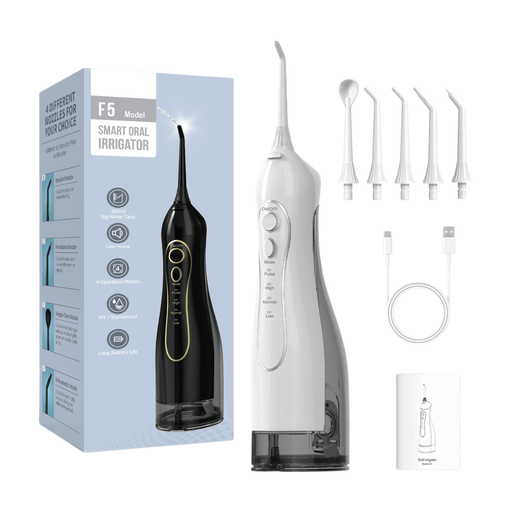
Sunluxy F5 Portable Water Flosser, 300 ml, White
Consider this model if adjustable pressure and cleaning around braces are priorities. Its listing describes five modes, a 360° rotating nozzle and a 300 ml tank; confirm the supplied orthodontic nozzle and compatible replacements for your needs.
View on Joybuy
 No image available
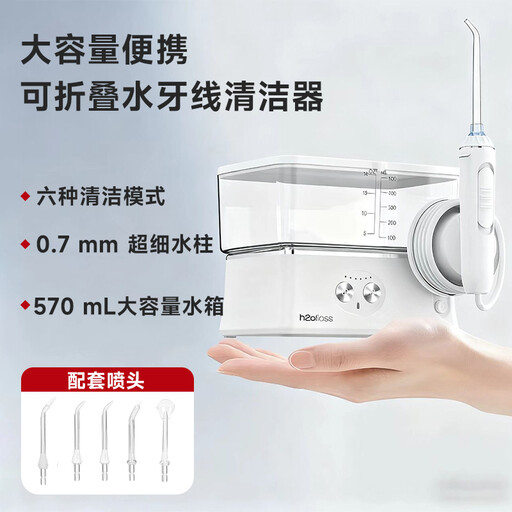
H2ofloss Portable Water Flosser, 6 Modes, White
The six listed modes offer a choice of settings for a new routine. If tank capacity or cleaning around braces will determine your choice, confirm the capacity, supplied specialist heads and compatible replacements for this exact model before buying.
View on Joybuy
 No image available
Rushi R-A31 Water Flosser, 350 ml, White
This model is relevant if you want to vary the setting as you establish a routine. Its listing describes five modes, including Soft, while the product name specifies a 350 ml tank and 1500 mAh battery. Check tip compatibility if you need to clean around dental work.
View on Joybuy
 No image available
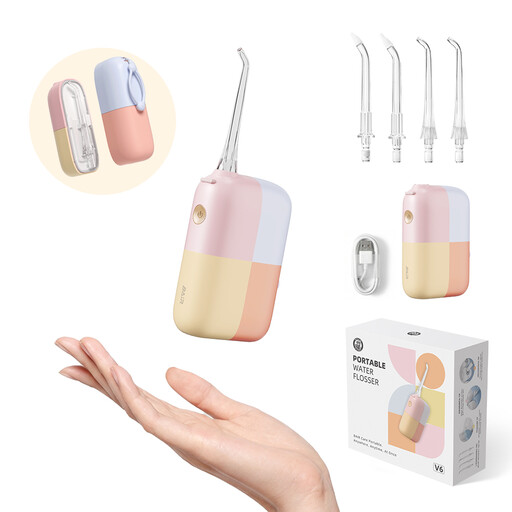
BAIR CARE V6 Pocket Water Flosser with Magnetic Tank
The detachable magnetic tank may appeal if access for emptying and drying matters to your routine. The product name identifies press-and-spray operation and USB charging. Confirm the package contents, tank capacity and compatible replacement tips if those will affect your choice.
View on Joybuy
 No image available
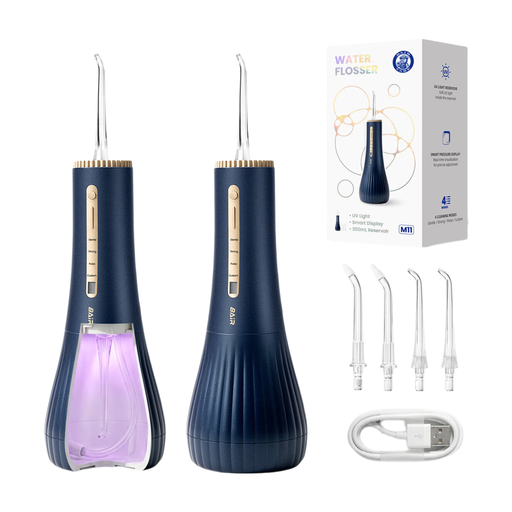
BAIR CARE M11 Water Flosser, 360 ml, 4 Modes
This model is relevant if a choice of modes and a stated 360 ml tank suit your home routine. Its product name also specifies nozzle storage and USB-C charging. If you need an orthodontic or restoration-oriented tip, check compatibility with the M11 before buying.
View on Joybuy
Frequently asked questions
Can a water flosser replace brushing?
No. Keep brushing twice a day with fluoride toothpaste; a water flosser is an addition for cleaning between teeth, not a replacement for brushing.
Should I buy a water flosser instead of interdental brushes?
Not automatically. The British Society of Periodontology identifies appropriately sized interdental brushes as the preferred plaque-removal method where they fit without causing trauma. Do not force a brush into a narrow space; ask a dental professional for individual guidance if you are unsure what fits.
How do I start using a water flosser?
Start with a low or sensitive setting where the model offers one, and follow its directions for filling and aiming the nozzle. Lean over the sink while you learn to direct the water between teeth and along the gumline, then follow the device's cleaning and drying instructions.
What should I check if I have braces or implants?
Check whether the exact water-flosser model includes or accepts a tip intended for the areas you need to clean. Tip compatibility is model-specific, so confirm replacement options as well and follow any cleaning instructions from your dentist or hygienist.
What should I check about charging before ordering?
Check the exact listing for its supplied plug or cable, voltage requirements and charging arrangement. Waterpik describes some countertop models as using a two-pin plug for UK shaver sockets, while cordless models can use USB charging; do not assume the arrangement is the same across the range.


