Choose a water flosser whose stream you can control, and check for a compatible tip that its manufacturer describes for use around bridges if reaching the restoration is your main concern. A compact cordless unit may be easier to store, but its reservoir could interrupt a longer routine. Use water flossing alongside, rather than in place of, the twice-daily fluoride brushing and daily interdental cleaning advised by the NHS.
Who should consider one?
People dealing with food around a bridge
If food collects beside your bridge, a directed water stream may be useful as an addition to the cleaning method recommended for you. Waterpik describes a restoration-oriented tip, while Panasonic describes use around bridges for its EW-DJ86.
People who want control over the stream
If you would rather begin with a gentler setting than use a fixed stream, compare the stated pressure or intensity options. Philips Sonicare, Panasonic and Oral-B describe adjustable settings on particular models.
People with limited bathroom storage
A cordless unit may fit a smaller storage space, provided its reservoir suits the time you want to spend cleaning. For example, Panasonic states a 150 mL reservoir and approximately 40 seconds of use for its compact EW-DJ4B.
What should you check?
Start with access around your particular bridge, then consider stream control, reservoir size and how the device fits into your existing cleaning routine.
| Concern |
What to check |
Who this matters to |
| Access around the bridge |
Check whether a tip is described for bridges or restorations and fits the exact flosser model. Waterpik describes its Plaque Seeker tip for these areas. |
If food catches beside my bridge, I want to know whether I can direct the stream towards that area. Around 37% of consumers would put bridge access first. |
| Stream control |
Compare the stated pressure or intensity settings and follow the device instructions when starting. |
If a strong stream feels unsuitable, I want a setting I can adjust. Roughly 27% of consumers would make control their main concern. |
| Storage and refilling |
Compare reservoir capacity, stated use per fill and charging method; a compact tank may need refilling during a longer session. |
When bathroom space is tight, I want a device I can put away easily without overlooking refills. About 18% of consumers would prioritise a compact routine. |
| Daily cleaning routine |
Plan how water flossing will sit alongside brushing and the interdental method recommended for your bridge. |
If I already use a manual aid around my bridge, I want the water flosser to complement that routine, not displace it. Around 18% of consumers would put routine fit first. |
Common buying mistakes
-
Buying a specialist tip before checking compatibility
A tip described for bridges is useful only with a flosser that accepts it. Waterpik lists compatible ranges for its Plaque Seeker tip; accessory fittings should not be assumed to work across brands.
Check the exact model number on both the flosser and accessory information before choosing them together.
-
Replacing all manual cleaning with a water stream
The NHS advises brushing twice daily with fluoride toothpaste and cleaning between teeth every day with floss or an interdental brush.
Ask your dentist or hygienist which manual aid and technique suit the spaces around your particular bridge, and use the water flosser as an additional tool.
-
Choosing a small reservoir without considering session length
A compact tank can interrupt a slower routine. Panasonic states approximately 40 seconds of use from the 150 mL reservoir on its EW-DJ4B.
If you expect to make repeated passes around several areas, compare capacity and stated use per fill before prioritising a compact design.
-
Applying a brand claim to every bridge design
A manufacturer's statement about a particular tip, model or test condition does not establish how well every flosser will work around your bridge.
Compare stated features, then ask your dental professional about the cleaning technique appropriate for your restoration.
Brands to consider for bridge-cleaning features
Waterpik
Relevant if you want to investigate a tip specifically described for bridges and other restorations.
- Waterpik says its Plaque Seeker tip combines bristles and water pressure for hard-to-reach areas around restorations.
- It is an accessory for specified Waterpik flosser ranges, not a universal fitting. Confirm compatibility with the exact unit.
Philips Sonicare
Relevant if adjustable settings and cordless use matter more to you than a specified bridge-oriented tip.
- Philips lists two modes, three intensities, a 250 mL reservoir and USB-A charging for the HX3826/33.
- Check the exact nozzle information if access around your bridge is the deciding factor; adjustable settings alone do not establish bridge-specific suitability.
Panasonic
Relevant if you are comparing a model described for use around bridges with a more compact, adjustable model.
- Panasonic describes use around bridges for the EW-DJ86 and lists four pressure levels and a 150 mL reservoir for the compact EW-DJ4B.
- Those statements concern different models. Check the supplied nozzles and current availability for the one you intend to buy.
Oral-B
Relevant if you want to compare selectable streams and pressure modes on a cordless flosser.
- Oral-B describes focused and rotational streams and intense, medium and sensitive pressure modes for AquaCare.
- Check the instructions for the exact model before assuming its nozzle is intended for use around your bridge.
Joybuy water flossers
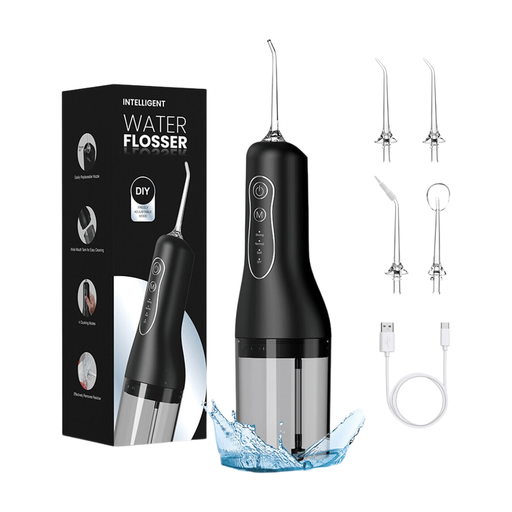
These portable and cordless water flossers offer different approaches to stream control, storage and reservoir size. If cleaning around your bridge is the deciding need, check the exact nozzle instructions before choosing a model.
 No image available
Sunluxy L5 Water Flosser, Black
Consider this cordless model if you want several stream modes in a portable unit. Its title specifies four modes, a 260 mL detachable tank and three types of nozzle. Check which nozzle, if any, is appropriate for your bridge.
View on Joybuy
 No image available
Rushi R-A31 Water Flosser, White
Consider the R-A31 if reservoir size and an adjustable stream matter to your routine. Its title specifies a 350 mL tank and a 1500 mAh battery; check the available pressure settings and nozzle instructions for your bridge.
View on Joybuy
 No image available
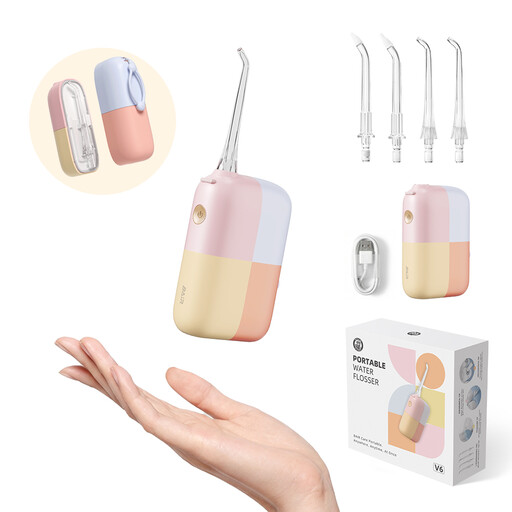
BAIR CARE V6 Pocket Water Flosser
Consider this pocket-style model if storage is your priority. Its title describes a magnetic tank and a press-and-spray mode. Check how its stream operates and whether any supplied nozzle suits the cleaning technique advised for your bridge.
View on Joybuy
 No image available
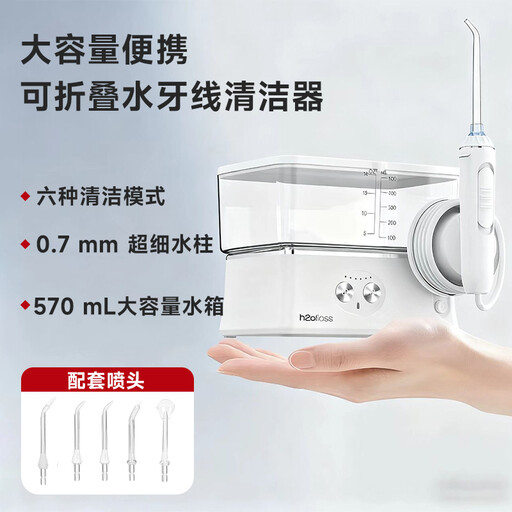
H2ofloss Portable Water Flosser, White
Consider this portable model if you want a choice of modes and supplied heads. Its title specifies six modes and five spray heads. Confirm the tank capacity before ordering, and do not assume that a head's name establishes its suitability for your bridge.
View on Joybuy
Questions about bridge cleaning
Can a water flosser replace brushing and manual cleaning around my bridge?
No: treat a water flosser as an additional tool unless your dentist or hygienist gives you a different plan for your bridge. The NHS advises brushing twice daily with fluoride toothpaste and cleaning between teeth every day with floss or an interdental brush.
What tip should I look for if food catches around my bridge?
Look for a tip the manufacturer describes for bridges or restorations, then confirm that it fits the exact flosser. Waterpik describes its Plaque Seeker tip for these areas and lists compatible Waterpik ranges; your dental professional can advise on access around your particular bridge.
Is a compact cordless water flosser practical for home use?
It can be practical if easy storage matters more to you than a longer session per fill. Compare the reservoir and stated use time: Panasonic lists a 150 mL tank and approximately 40 seconds of use for its compact EW-DJ4B, so a longer routine may involve refilling.


