A water flosser can be a useful addition if its handling makes regular cleaning between your teeth easier to keep up. Choose cordless for compact storage or travel, or consider a countertop model if it will stay by one sink and you want more reservoir time and pressure choices. Keep using the interdental method recommended by your dental team, and seek dental advice for bleeding or painful gums rather than relying on a new device.
Who might use a water flosser?
A water flosser is worth considering when its format suits the way you will clean between your teeth each day—not simply because it has more modes or tips.
People building an interdental-cleaning routine
If you dislike using string floss, a device that is straightforward to fill, aim and rinse may be easier to incorporate into your routine. NHS advice calls for daily cleaning between teeth with floss or an interdental brush; Oral-B describes water flossing as a supplement, not a replacement for brushing.
People with braces, implants or bridges
You may want to direct water around dental work or other difficult-to-reach areas. Check that tips suited to your needs fit the exact model, and follow your dental team’s advice about which interdental methods to use.
People with limited bathroom space or frequent travel
A cordless model combines the reservoir and handle in one device, which may suit compact storage or use away from a permanent sink setup. Compare its charging arrangement and water capacity with the way you expect to use it.
What matters when choosing?
Decide whether a water flosser will help you maintain your existing cleaning routine before choosing its format. NHS guidance recommends daily cleaning between teeth with floss or an interdental brush; your dental team can advise on a suitable method for your tooth gaps and dental work.
Cordless water flosser
Consider it when: You need compact storage, travel convenience or a device you can use away from a fixed sink position.
Trade-off: Water capacity and pressure choices vary by model; Waterpik lists three settings and up to 45 seconds of water time for its Cordless Advanced.
Countertop water flosser
Consider it when: The device will stay by one sink and reservoir time or a wider choice of pressure settings matters more than portability.
Trade-off: It needs dedicated counter space; Waterpik lists a 90-second reservoir and 10 pressure settings for its Ultra Professional model.
Floss or interdental brushes
Consider them when: You can use a method suited to your tooth gaps consistently, particularly if your dental team has recommended it.
Keep in mind: Adding a water flosser does not automatically replace the interdental method your dental team recommends.
| Concern |
What to check |
Who this matters to |
| Establishing a routine |
Look for a comfortable starting pressure and instructions for filling and cleaning the reservoir. |
If I am starting to clean between my teeth regularly, I need a device I can learn to use and maintain each day. Around 44% of consumers put ease of routine adoption first. |
| Cleaning around dental work |
Confirm which tips are included or compatible with the exact model, alongside your dental team’s advice. |
With braces, implants or a bridge, I need to reach awkward areas without abandoning the cleaning method recommended for my dental work. For around 33% of consumers, that directed cleaning is the primary concern. |
| Storage and travel |
Compare device size, charging arrangement and reservoir capacity for the place you will use it. |
When bathroom space is tight or I travel, I need a device that is practical to store and take with me. Compact handling comes first for around 23% of consumers. |
Buying and routine pitfalls
-
Assuming water flossing replaces every other interdental method
NHS guidance recommends daily floss or an interdental brush, while Oral-B presents water flossing as a supplement. The appropriate method can depend on your tooth gaps and dental work.
Keep using the method recommended by your dental team unless they advise you to change it.
-
Choosing cordless when the device will stay by one sink
A compact device may not offer the water time or adjustment you want. Waterpik lists three pressure settings and up to 45 seconds of water time for its Cordless Advanced, compared with 10 settings and a 90-second reservoir for its countertop Ultra Professional.
Decide where you will use and store the device, then compare the exact models’ reservoirs and controls.
-
Overlooking tip compatibility and cleaning
A specialised tip is useful to your routine only if it fits your model. The reservoir and tips also need care according to the device instructions.
Check the box contents, compatible replacement tips and cleaning instructions before choosing a model.
Replacement tips may become an ongoing requirement for the device you choose.
-
Using a new device instead of getting gum symptoms checked
Bleeding or painful gums call for dental advice, not a choice between cleaning modes. The NHS advises seeing a dentist if your gums bleed when you brush or eat hard foods.
Arrange a dental assessment for concerning symptoms rather than relying on a water flosser to resolve them.
Brands to consider
These brands illustrate different device formats and published guidance; compare the specifications and instructions for the exact model you are considering.
Waterpik
Waterpik has UK cordless and countertop lines, making it a useful reference when choosing between portability and a device kept by one sink.
- Waterpik lists three pressure settings for its Cordless Advanced and 10 for its countertop Ultra Professional.
- The models differ in reservoir time and space requirements; their specifications do not establish which will suit your routine or dental needs.
Philips Sonicare
The cordless HX3826/31 Power Flosser is a reference point for consumers comparing rechargeable devices.
- Philips lists two modes, three pressure settings, USB-A charging and a 250 ml reservoir for the HX3826/31.
- Check the exact model and included tips; these specifications do not apply to every Philips Sonicare device.
Oral-B
Oral-B’s UK water-flosser guidance offers practical starting and maintenance instructions alongside its product range.
- Its guidance suggests starting with warm water, low pressure and a standard tip.
- Oral-B presents water flossing as a supplement to brushing and string floss; its guidance is not a comparison showing one device outperforms another.
Cordless water flossers on Joybuy
These cordless choices are relevant if compact handling appeals to you while adding water flossing to your routine. Compare their stated controls and tank details with your needs, and check tip compatibility for any dental work.
 No image available
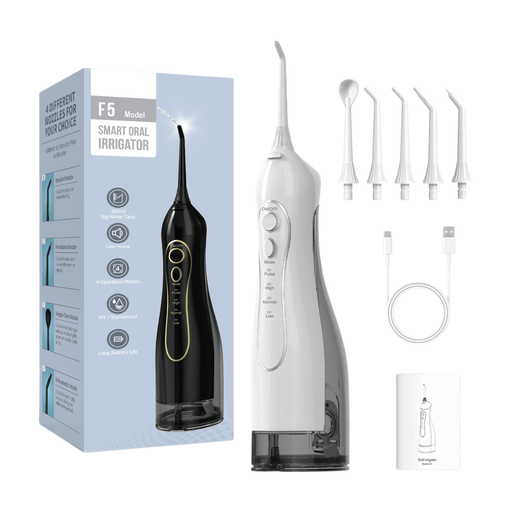
Sunluxy F5 White cordless water flosser
Consider this cordless model if you want several settings while learning a water-flossing routine. Its product name lists five modes, a 300 ml tank and a 360° rotating nozzle.
Check the included and compatible replacement tips if you plan to use it around braces or other dental work.
View on Joybuy
 No image available
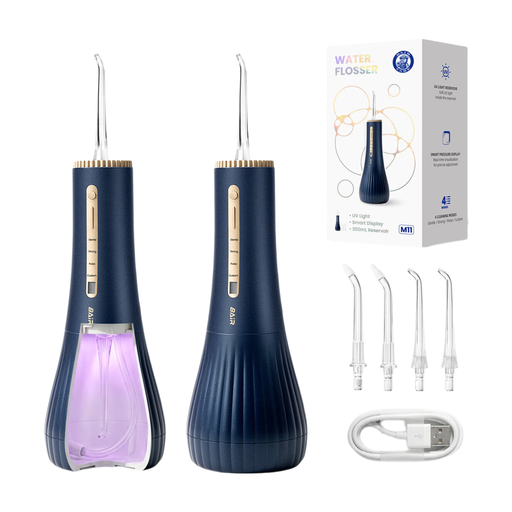
BAIR CARE M11 cordless water flosser
Consider this model if you want cordless use with a stated 360 ml tank. Its product name lists four cleaning modes, USB-C charging and nozzle storage.
Confirm which tips come in the box and which replacements fit. If you have implants or a medical condition affecting use, follow personalised dental advice.
View on Joybuy
 No image available
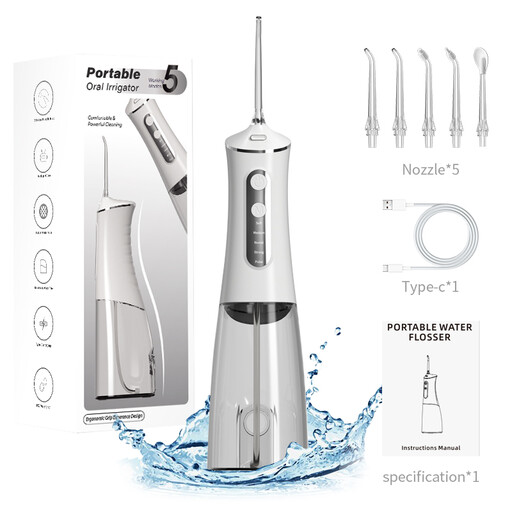
Rushi R-A31 White water flosser
Consider this model if a cordless device with a stated 350 ml tank suits your storage and filling routine. Its product name also lists a 1500 mAh battery.
Check its controls and the included and compatible tips against the way you intend to clean.
View on Joybuy
 No image available
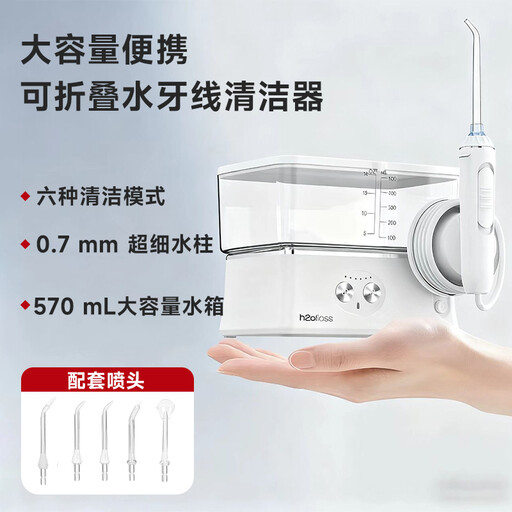
H2ofloss White portable water flosser
Consider this portable model if you want to compare several settings and supplied heads. Its product name lists six modes, five spray heads and IPX7 water resistance.
Confirm the tank capacity before choosing it for longer sessions: product information gives conflicting figures of 500 ml and 570 ml. Check the charging connector and tip compatibility too.
View on Joybuy
 No image available
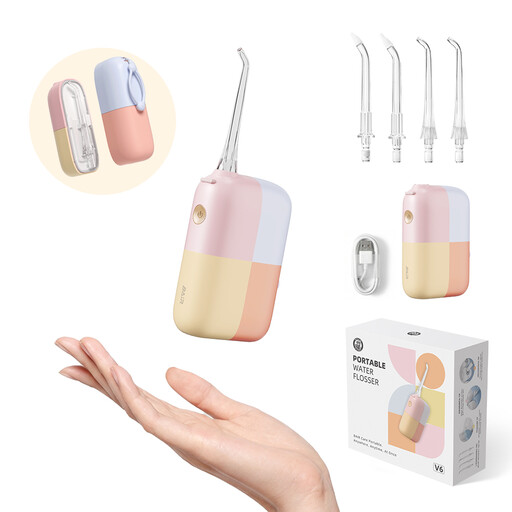
BAIR CARE V6 pocket water flosser
Consider this model if a pocket-style format would make storage or travel easier. Its product name identifies a magnetic tank, press-spray mode, USB recharging and IPX7 water resistance.
Check the tank capacity and pressure controls for your routine. Confirm the included tip count and replacement-tip compatibility, as the product information conflicts on the number supplied.
View on Joybuy
Common questions
Can a water flosser replace brushing?
No—a water flosser is not a replacement for brushing. NHS guidance advises brushing twice daily with fluoride toothpaste and cleaning between teeth every day with floss or an interdental brush; follow your dental professional’s advice on how a water flosser fits alongside those methods.
Should I buy a water flosser if my gums bleed?
Get dental advice rather than relying on a water flosser to address bleeding gums. The NHS advises seeing a dentist if your gums bleed when you brush or eat hard foods; ask about an appropriate cleaning method as part of that assessment.
How do I start using and cleaning a water flosser?
Follow your model’s instructions and start gently. Oral-B’s UK guidance suggests warm water, low pressure and a standard tip to begin with; it also advises rinsing the reservoir after use and cleaning the reservoir and tips regularly.


