What matters when choosing a water flosser
For consumers choosing a water flosser while wearing fixed braces, decide which part of the routine matters most to you: reaching trapped food, keeping the pressure comfortable, carrying the device or finishing without a refill.
| Concern |
What to check |
Who this matters to |
| Bracket-and-wire access |
Check the included nozzle types and whether you can direct the stream around your brackets; a rotating tip may help with positioning. |
When food catches around my brackets and wires, I want to reach those spots without losing control of the stream. Roughly 36% of consumers would put bracket-and-wire access first. |
| Comfortable pressure |
Look for adjustable pressure or intensity, with a low setting for your first uses. |
If my gums feel tender after a brace adjustment, I need a setting I can use comfortably. About 29% of consumers would make pressure control their primary concern. |
| Portability |
Check the charging method and storage needs, alongside the stated tank duration. |
With little space at the sink or a routine that moves between places, I need a device I can carry and put away. Around 21% of consumers would prioritise portability. |
| Session capacity |
Compare stated reservoir capacity or flossing time with the length of your usual session. |
I would rather finish cleaning at one sink visit than stop to refill halfway through. Approximately 14% of consumers would put a one-fill routine first. |
Joybuy water flossers for brace-cleaning routines
These cordless water flossers offer different ways to manage a brace-cleaning routine: one emphasises adjustable pressure and a travel lock, while the other lists a larger tank and four modes. Check the included nozzles if targeted access around brackets and wires is your priority.
 No image available
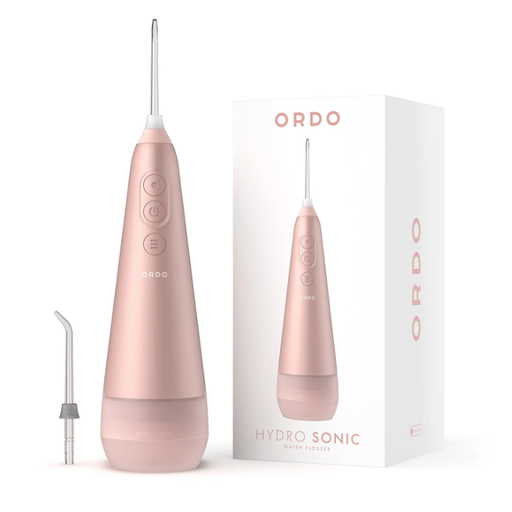
Ordo Hydro Sonic Water Flosser, On-Demand Mode, Rose Gold
Consider this model if you want to vary the pressure while cleaning around braces. Its listed features include three pressure settings and a travel lock. If you want a dedicated orthodontic tip, check which nozzles come with this exact model.
Joybuy
 No image available
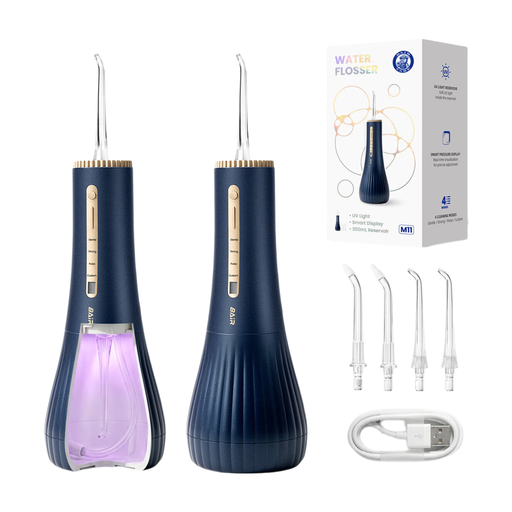
BAIR CARE M11 Water Flosser, 360 ml, Four Cleaning Modes
Consider this model if a stated 360 ml tank and a choice of cleaning modes matter to your routine. The listing also identifies USB-C charging. Check the included nozzles and how they reach around your own brackets before relying on it for targeted brace cleaning.
Joybuy
Questions about water flossers and braces
Can a water flosser replace brushing and interdental brushes with fixed braces?
No: use it as an addition to the brace-cleaning routine advised by your dental team. St George's University Hospitals NHS Foundation Trust advises brushing for at least two minutes twice daily with fluoride toothpaste and using interdental brushes between teeth and braces daily. A 2022 orthodontic trial published in the International Journal of Dentistry found both Super Floss and a water flosser effective, without a significant overall difference in plaque-score change; it does not establish a water flosser as a replacement for the whole routine.
How should I begin using a water flosser around braces?
Start at a low, comfortable pressure and guide the stream along the gumline and around your brackets, following the instructions for your device. Oral-B recommends beginning at the lowest setting and increasing it only to a comfortable level; follow any personalised directions from your orthodontic team.
Should I choose a cordless or countertop water flosser?
Choose cordless when carrying and storing the device matter most; consider a countertop format when you want a larger reservoir at a dedicated home sink. Waterpik's UK buying guidance describes smaller reservoirs and slightly lower overall pressure as general cordless trade-offs, so compare the specifications of the particular models you are considering.
What should I check after choosing a model?
Confirm the warranty terms for the exact model and seller, and check the availability of compatible replacement tips. Waterpik states a two-year limited warranty for its UK Cordless Advanced, but that term should not be assumed for other devices or sellers.


