
24/7 全天候客户支持

免费退货

当日/次日达

品质保障

开启新人专享福利: 全场免邮 | 低至 2 折 | 免费试用 30 天 JoyPlus 会员
下载 Joybuy
Choosing watercolour and acrylic painting supplies can look simple until you compare paint formats, brush materials and kit contents. A low-cost set may seem convenient, but missing accessories, unsuitable brushes or difficult-to-clean paint can make the first creative session frustrating.
This guide focuses on the details that affect everyday use, helping UK beginners, students, crafters, teachers, travellers and journalling enthusiasts choose a suitable painting set without paying for features they will not use.
A set with 38 colours is not automatically more practical than one with 12 or 24. Beginners often use a small core palette repeatedly, while additional shades may occupy space without improving the result. Check whether the kit includes a mixing palette, brush and suitable surface, rather than focusing only on the number printed on the box.
Some painting sets include one basic brush, which may be enough for initial practice but limiting for washes, outlines and detail work. A separate paint brush set with round, fan, flat or wash shapes can make one paint collection more versatile.
Watercolour brushes are generally selected for water retention and controlled release. Acrylic and oil paint brushes are often more suited to firmer strokes and heavier paint. A mixed-media brush set can be useful, but check the stated compatibility before buying.
Watercolour pans usually need clean water and time to dry before storage. Acrylic paint requires prompt brush cleaning because it can become water-resistant once dry. A compact case, protective lid or brush cap can reduce mess, especially when painting in a classroom, small flat or during travel.
For children, check age warnings carefully. The products described here contain small parts and are not suitable for children under three. Children aged three to eight should use them with adult supervision, and art materials must not be treated as food or cosmetics.
Solid watercolour pans are pressed paint cakes activated with water. They are convenient for sketchbooks, lessons and travel because they are compact and less prone to spills. They may require a few drops of water before producing a strong wash.
A semi-moist watercolour set is softer and designed for relatively quick activation. For example, the HIMI watercolour set with 24 pans uses a semi-moist format and includes a round synthetic brush. This can suit beginners who want to open the case and start painting without assembling several separate items.
Acrylic paint is usually supplied in tubes. It is suitable for canvas, card, wood and mixed-media projects, and it dries quickly. Once dry, acrylic paint can become permanent and water-resistant, so brushes and palettes should be washed promptly.
A round brush is useful for lines and detail. Wash brushes cover larger areas, while fan or flat shapes can support blending, dry-brush work and broad marks. A set containing several shapes is generally more adaptable than a single brush.
Natural hair brushes are available in some Artiste brush sets, while the HIMI watercolour kits listed here include synthetic round brushes. Neither option is automatically suitable for every user: synthetic bristles can be straightforward for beginners and easier to maintain, while a mixed selection gives more control across different techniques.
A portable painting kit should fit the way you intend to work. A compact watercolour travel kit may be useful for a handbag, student backpack or holiday sketchbook. Look for an integrated palette, water brush, pencil or sponge if you want fewer loose items.
For home or classroom projects, an acrylic starter set with painting boards, palette and palette knife can offer more immediate value than buying each accessory separately. Always check quantities and sizes, such as the number of 12ml tubes or the dimensions and weight of included boards.
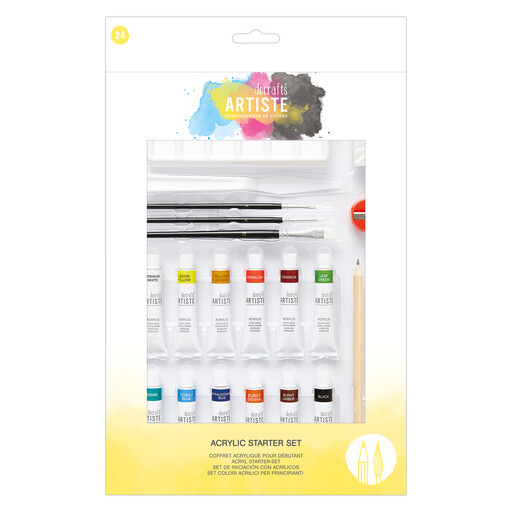
Why This Fits Their Persona: It combines paint, tools and three A4 painting boards for beginners starting acrylic projects at home, school or university.
The contents are clearly specified: 12 acrylic tubes, three brushes, palette, palette knife, pencils, stationery and boards.
Water-based acrylics; includes surfaces and tools for colour mixing, sketching and painting.
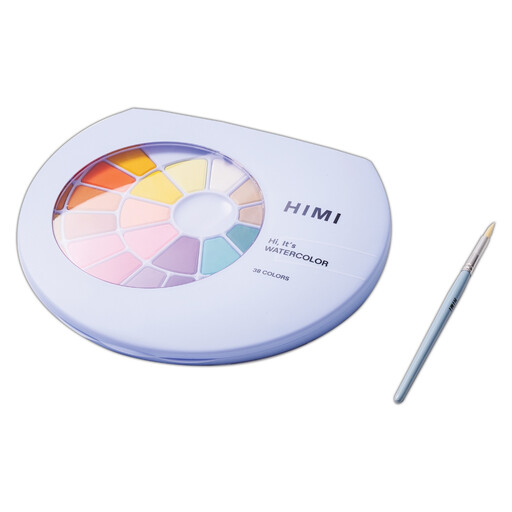
Why This Fits Their Persona: The larger colour selection suits hobby artists and colour-study sessions where a broad palette is useful.
It uses firm pressed pans in a protective case, rather than loose liquid paint containers.
38 pans of 12g each; lid doubles as a mixing palette; includes a round synthetic brush.
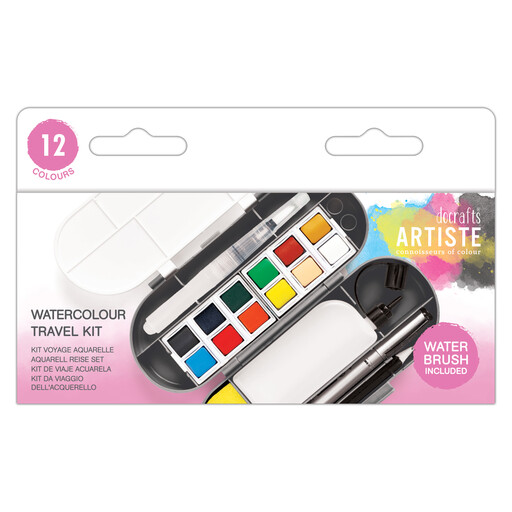
Why This Fits Their Persona: It is designed for sketchbook users, commuters, travellers and journalling enthusiasts who want accessories in one compact case.
The kit lists its practical extras, including a water brush, hand water bottle, palette, sponges, pencil and needle point pen.
12 watercolour pans; self-contained water brush; compact format for outdoor painting and creative journalling.
A dedicated water brush set can remove the need for a separate water pot. The Artiste three-piece set includes fine, medium and broad tips, each with a refillable water reservoir and protective lid.
For users who switch between media, the Artiste five-piece paint brush set is compatible with watercolour, gouache, oil and acrylic craft painting. Those wanting broader coverage can consider the 10-piece watercolour brush set or the Artiste acrylic and oil paint brush set, both of which include fan, round and wash shapes.
We have compiled a complete, real-time list of products that fully satisfy these strict selection criteria and UK safety regulations.
At minimum, you need watercolour paint, suitable paper, a brush and clean water. A starter kit such as a 24-colour HIMI set includes pans and a brush, while a travel kit can add a palette, water bottle, pencil and sponges. Watercolour paper is still worth buying separately if it is not included.
The answer depends on how you paint. Pans are convenient for small studies, lessons and travel because they are easy to store and activate in small amounts. Tubes can be practical for larger washes, but unused paint may dry if caps are not sealed properly. Acrylic tubes are common because acrylic paint is applied directly or diluted for different textures.
Rinse brushes immediately after use and remove all pigment from the ferrule area. Acrylic users should not allow paint to dry on the bristles. Reshape the brush head and let it dry horizontally or with the bristles pointing down, away from direct heat. Store brushes dry, and allow watercolour pans to air dry before closing their case.