Iced-cooler makers
If you add ice or frozen fruit, look for an ice-use claim for the exact model and follow its instructions. A secure jug matters when blending a larger batch.


For several glasses of watermelon cooler, especially with ice, start with a jug blender whose manufacturer specifies ice-crushing capability and a usable working capacity. A personal blender makes more sense for one drink made in a cup; consider a portable model when making the drink away from a mains socket matters most. Check the exact model’s ice instructions, vessel capacity and cleaning requirements rather than choosing by wattage alone.
If you add ice or frozen fruit, look for an ice-use claim for the exact model and follow its instructions. A secure jug matters when blending a larger batch.
If you normally make one cooler, a blending cup lets you drink from the same vessel. Check its capacity and which parts can go in the dishwasher.
If you want several glasses from one batch, compare a jug’s working capacity with the amount you plan to make, not just its total capacity.
Choose when: You want to blend and pour several glasses at once, particularly with ice.
Trade-off: A jug takes more storage and worktop space than a personal cup.
Choose when: You usually make one cooler and want to drink from the blending cup.
Trade-off: Serving several people may mean blending repeated batches.
Choose when: You need to make or finish an individual drink away from a mains socket.
Trade-off: Charging adds a step, and the exact model’s ice guidance still needs checking.
| Concern | What to check | Who this matters to |
|---|---|---|
| Ice handling | Look for an ice-crushing or ice-use claim for the exact model, then follow its fill and operation instructions. | When I add ice to a watermelon cooler, I want a blender intended for that task rather than relying on wattage alone. Around 37% of consumers put ice handling first. |
| Shared-batch capacity | Compare working capacity rather than total jug size, and leave room below the maximum fill line. | Making several glasses in one batch matters when others join an afternoon break. Roughly 27% of consumers put shared-batch capacity first. |
| One-cup convenience | Check cup capacity and which cup and lid parts are dishwasher-safe. | If I am making only my own drink, I would rather blend in a cup than wash a large jug. About 18% of consumers place single-serve convenience first. |
| Safe setup and cleaning | For a UK mains blender, check the plug and fuse; also check the model’s locking and cleaning instructions. | A regular cooler should not leave me uncertain about moving blades or how to clean the appliance safely. Around 18% of consumers prioritise safe setup and easy cleaning. |
A jug’s working capacity can be lower than its total capacity. Tefal UK, for example, specifies a 2.0L total jug and 1.25L working capacity for the Blendforce II Glass BL435840.
Plan the batch using working capacity and keep ingredients below the model’s maximum fill line.
Motor wattage does not establish the instructions for ice use on a particular blender.
Check the manufacturer’s ice guidance for the exact model and follow its stated method and limits.
A cup intended for one drink can mean repeated blending and washing when you routinely serve several people.
Compare jug working capacity with your usual batch size before choosing the smaller format.
Blenders combine sharp blades with electrical components. Electrical Safety First advises that a blender for UK mains use should have a UK three-pin plug with a fuse.
Check the plug, how the vessel locks into place and the model’s cleaning instructions. Unplug the appliance before cleaning and do not immerse its motor base.
Relevant if you are comparing full-size jugs for a shared watermelon cooler.
Relevant if you usually make one cooler and prefer to blend in a drinking cup.
Relevant if you want to compare a jug-and-cup system with a separate portable-drink option.
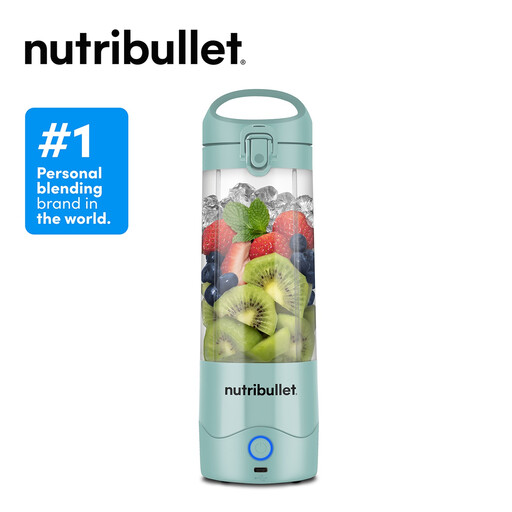
This portable cup-sized option suits an individual watermelon cooler away from a mains socket. Check its model-specific instructions before adding ice.
 No image available
The 475ml cup suits an individual drink rather than several glasses from one batch.
This cordless model has USB-C charging and a to-go lid. Its product information describes the cup, lid and blade assembly as dishwasher-safe.
The product information claims it can blend ice; check the model’s ice-use instructions and permitted quantity before adding ice.
Not necessarily: a personal blender can suit one drink made with fresh watermelon. A jug becomes more useful when you want several glasses at once; if you add ice, check that the exact blender model is intended for it.
Use the jug’s working capacity to plan a shared batch. Tefal UK lists a 2.0L total capacity but a 1.25L working capacity for its Blendforce II Glass BL435840, so the larger figure is not the amount to put into a blend.
Check for a UK three-pin plug with a fuse and read the model’s instructions. Electrical Safety First also advises registering the appliance so you can be contacted about a safety recall.
No: check the parts list for the exact model before washing anything. nutribullet UK identifies dishwasher-safe cups, lids and lip rings for the 600 Series, but the electrical motor base must not be immersed; unplug the appliance before cleaning.
Yes. Check the seller, instructions, plug and fuse, and how the vessel protects access to moving blades. The UK Office for Product Safety and Standards reported on a particular blender with accessible moving blades in December 2025; that report is a reason to check the model you are considering, not a conclusion about all blenders sold online.