Shared-batch drink makers
If several people will drink from the same batch, a jug with enough usable capacity may save repeated blending cycles. Check the fill guidance for the drinks you plan to make, not just the jug’s stated capacity.


Choose a jug blender if several people usually share one batch of watermelon drinks; choose separate blending cups if each person normally makes their own portion. In a shared kitchen, check the usable fill level, which parts can be cleaned between users and where the appliance and its attachments will be stored. A motor’s wattage alone does not establish drink quality or noise.
If several people will drink from the same batch, a jug with enough usable capacity may save repeated blending cycles. Check the fill guidance for the drinks you plan to make, not just the jug’s stated capacity.
Individual cups can make it easier to keep drinks separate. Users still need an arrangement for cleaning any shared blade assembly and other food-contact parts between drinks.
Where counter and cupboard space are limited, compare the appliance’s dimensions and the attachments that need storing. A processing attachment is relevant if the same appliance will also be used for food preparation.
Decide whether drinks will usually be made as one shared batch or as individual portions. Then check cleaning instructions and storage space before treating extra functions as a reason to buy.
| Concern | What to check | Who this matters to |
|---|---|---|
| Batch capacity | Compare the jug’s usable fill guidance with the number of servings needed. For cups, check the maximum blending fill rather than relying on their nominal size. | I want to make drinks for several people without repeatedly refilling the blender. Around 40% of consumers put shared-batch capacity first. |
| Cleaning and separate portions | Identify which cups, lids and blades can be cleaned as instructed, and whether each person can have a separate drink container. | When different people use the kitchen, I want to keep portions separate and know who will clean the shared parts. For around 40% of consumers, that is the main priority. |
| Space and other uses | Check the appliance’s dimensions and storage needs, including attachments, and decide whether you will use its processing functions. | I have little room for another appliance but would use it for preparation beyond drinks. Roughly 20% of consumers place compact, multi-use storage first. |
A jug suits a shared batch, but it also becomes a shared item to wash before the next person uses it. Individual cups may fit a different serving routine.
Decide how drinks will normally be made, then compare jug capacity with each cup’s maximum blending fill.
Cleaning instructions can differ between the jug or cup, lid, blade assembly and motor base. A claim about removable parts does not apply automatically to every component.
Read the instructions for each food-contact part and check any dishwasher rack restrictions before buying.
A manufacturer’s motor rating does not, by itself, compare watermelon-drink results or operating noise across blenders.
Start with serving capacity, cleaning arrangements and functions you will use; assess any noise claim on its stated terms.
Equipment can transfer contamination between foods. GOV.UK’s food-business guidance identifies equipment as a cross-contamination route; that guidance does not establish that an ordinary domestic shared kitchen has food-business duties.
Agree who cleans the removable parts after use. If the blender has contacted raw food or allergen-containing ingredients, follow appropriate cleaning and disinfection practices and the appliance instructions before preparing another person’s drink.
These product lines illustrate different formats; a brand’s inclusion does not establish that every model or bundle has the same features.
Individual-cup and jug formats for different serving patterns.
Personal-cup and multi-function formats for drinks and other preparation tasks.
Jug and personal-format models with programmed operation.
These choices cover jug blenders for shared batches, bottles or cups for individual drinks, and a blender with food-processing functions. Compare the included containers and cleaning instructions against the way your kitchen will use them.
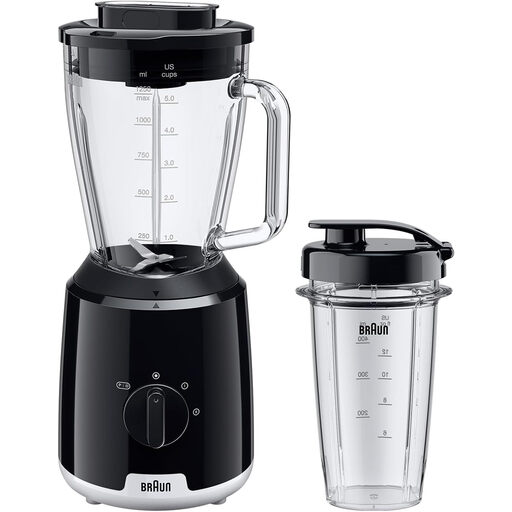 No image available
Consider the jug when several people will share one batch. The listed model has a 1.5L glass jug, two speeds and a Smoothie2Go bottle; its jug, lid and blades are described as dishwasher-safe. Check the bottle’s own cleaning instructions separately.
 No image available
The two bottles suit people who make separate drinks rather than one shared jugful. The listing describes the bottles and removable blades as dishwasher-safe; check each bottle’s maximum blending fill before planning portion sizes.
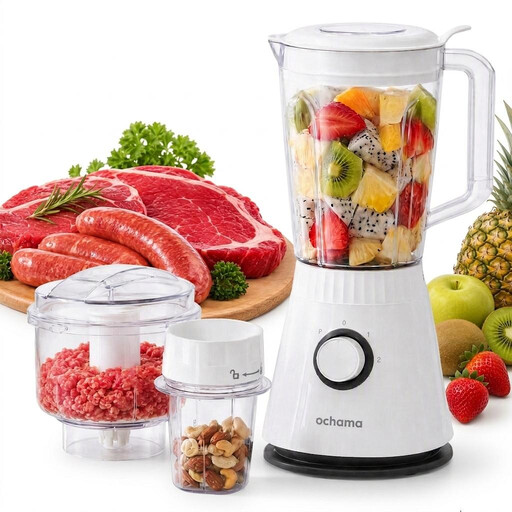 No image available
The stated 1.5L pitcher makes this a jug option to consider for shared batches. The listing also specifies three speed settings and food-preparation functions. Check the usable fill line and cleaning instructions for the parts you will use.
 No image available
Consider this model if the kitchen also needs chopping, mixing or slicing. The listed 830ml work bowl is a processing capacity, not a confirmed usable fill for drinks. Check the included blending containers and the cleaning instructions for each attachment.
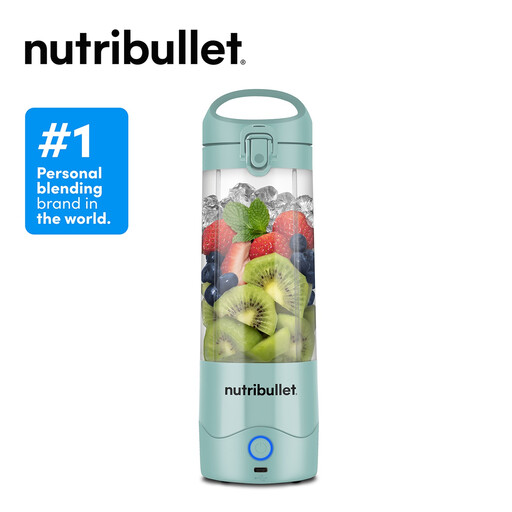 No image available
The single cup suits someone making their own drink, rather than a batch for several people. The listing specifies cordless USB-C charging and describes the cup, lid and blade assembly as dishwasher-safe. Check the maximum blending fill for the portion you want.
Start with the servings you want to make in one batch and check the jug’s usable fill guidance. For context, nutribullet UK positions its 1.5L magic bullet Blender jug for multiple servings, while the Kitchen Express cups have a 450ml maximum fill line each. Allow room for any other ingredients you intend to add.
They can help when each person makes and keeps a separate portion. The blade assembly may still be shared, so check what needs washing between users and whether each cup’s usable fill suits a normal drink.
Clean the food-contact parts before preparing another person’s drink, following the appliance instructions and appropriate precautions for the ingredients involved. GOV.UK’s food-business guidance identifies equipment as a cross-contamination route and advises cleaning and disinfection after raw-food contact; it is practical hygiene guidance here, not a determination that a domestic shared kitchen is a food business.
No: a stated motor rating is not a comparable test of drink texture, speed or noise. Check container size, controls, cleaning arrangements and any instructions relevant to the ingredients you plan to blend instead.
Check the exact model and included containers, the seller’s current warranty and returns terms, and availability before payment. Terms advertised for a brand’s direct sales need not be the terms offered by a different seller.