
24/7 Customer Support

Free returns

Same-day & Next-day Delivery

Quality Guaranteed

Unlock Your Welcome Offers: FREE Delivery | Up to 80% OFF | Free 30-day JoyPlus trial
Download the APP
Watermelon sweets can look similar online, yet the eating experience varies considerably. A soft gummy, a long-lasting chew, a fizzy drink and a frozen melon bar each suit a different occasion. Choosing by colourful packaging alone can lead to disappointing texture, unsuitable ingredients or a multipack that is larger than you need.
The most common buying pitfalls are straightforward:
For a lunchbox or commute, individually wrapped watermelon chewy sweets are easy to portion and carry. Candyfloss is much more delicate: it can absorb moisture, stick together and lose its light texture after opening. It is better suited to immediate serving at parties or as a novelty treat.
If you want something interactive, watermelon gummies with a peelable layer or watermelon lollipops with a gum centre provide more than one texture. For a sensory novelty, watermelon popping candy creates a crackling sensation in the mouth and should be eaten according to the pack instructions.
Always read the product label, particularly when buying Japanese watermelon sweets or Korean watermelon snacks through an imported-food range. Relevant points include:
For children, choose age-appropriate formats and supervise young children with hard sweets and lollipops. Amos Peelerz is labelled for children aged four and over who can chew and swallow foods safely. Candyfloss is not suitable for children under three according to its product information.
Watermelon-flavoured sweets are generally convenient, but some formats need more care:
A practical choice is not necessarily the largest pack. Compare the net weight, number of pieces, resealability and whether the product needs refrigeration.
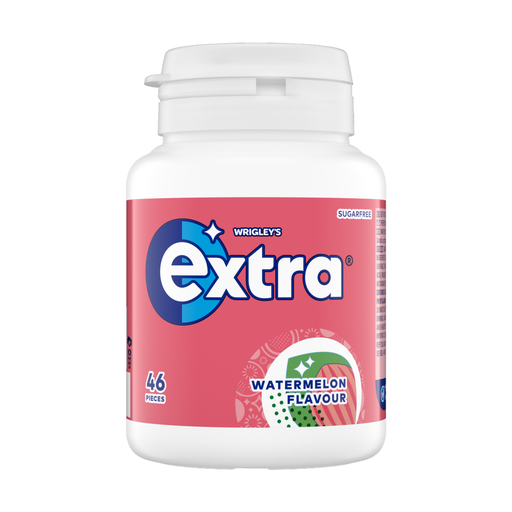
Why This Fits Their Persona: A 46-piece bottle provides a straightforward way to try sugar-free watermelon gum for commuting, after meals or keeping in a handbag, desk or car.
The bottle clearly states the piece count and net weight, making it easier to judge value than a pack shown only in lifestyle images.
Sugar-free formulation; 46 pieces in a portable bottle. Contains soya and several sweeteners, so check the label first.
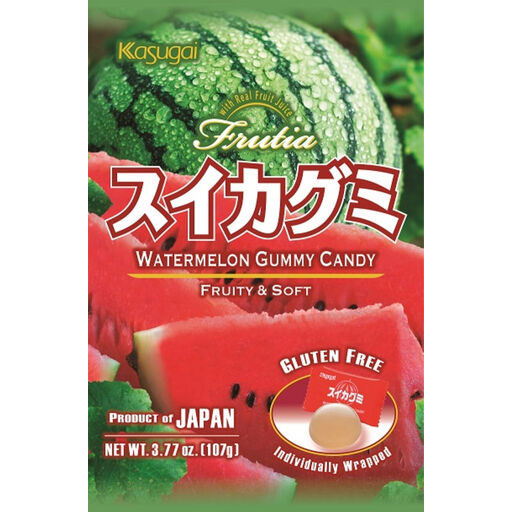
Why This Fits Their Persona: This Japanese gummy offers a soft, chewy format with watermelon juice listed at 6%, suitable for shoppers seeking a fruit-led confectionery experience.
The product information identifies the 107g pack size, watermelon juice content and natural colour sources rather than relying only on the fruit imagery.
107g resealable bag; contains watermelon juice and natural colour ingredients. Contains gelatine and may contain soya.
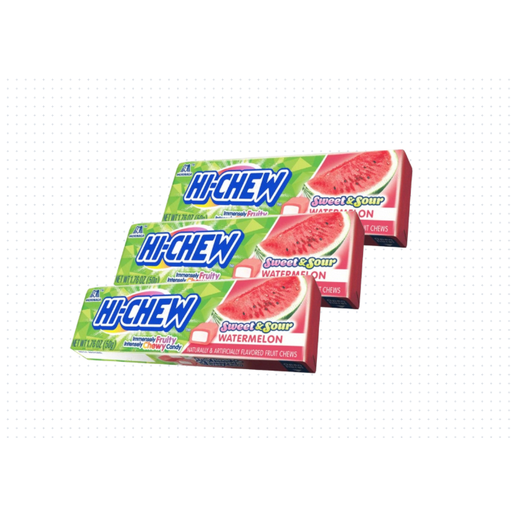
Why This Fits Their Persona: The three 50g packs work well for households, sharing or stocking a desk drawer, while individually wrapped pieces suit lunchboxes and journeys.
The sweet-and-sour profile and chewy format are specified clearly, avoiding the assumption that every watermelon sweet has a soft gummy texture.
Three packs; individually wrapped pieces. Contains gelatine and soya, and is made in Japan according to the listed product details.
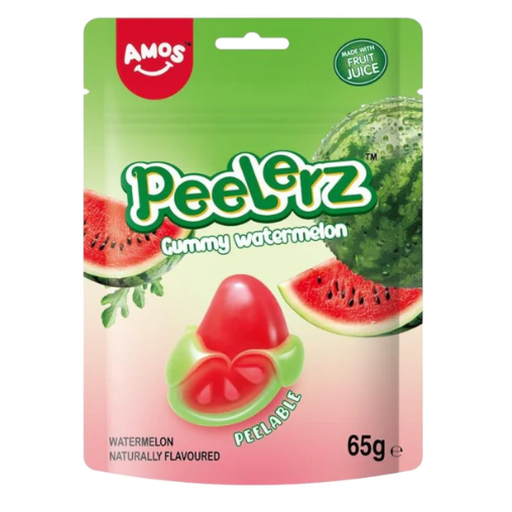
Why This Fits Their Persona: The peelable design adds an activity to snack time, making this watermelon gummy suitable for parties, family treats and children aged four and over who can chew safely.
The product description explains the peelable outer layer and gel centre, so the novelty comes from the actual format rather than packaging alone.
65g resealable bag; peelable two-texture format. Contains pork gelatine and may contain milk and sulphites.
We have compiled a complete, real-time list of products that fully satisfy these strict selection criteria and UK safety regulations.
Individually wrapped chewy sweets or a small resealable gummy pouch is usually easier to portion than candyfloss or glass-bottled watermelon drinks. Check the ingredients, allergen statement and school policy before packing. Avoid formats with a choking warning for younger children.
Keep it sealed in a cool, dry place away from moisture, heat and direct sunlight. It is best consumed immediately after opening because humidity can make the fibres stick together and change the texture.
Some products, such as the Extra Watermelon Sugarfree Chewing Gum, contain no sugar but use sweeteners and polyols. Other watermelon-flavoured sweets, including gummies, candyfloss and chewy sweets, contain sugar. Always compare the nutrition panel and ingredient list rather than relying on the flavour name or front-of-pack design.