
24/7 Customer Support

Free returns

Same-day & Next-day Delivery

Quality Guaranteed

Unlock Your Welcome Offers: FREE Delivery | Up to 80% OFF | Free 30-day JoyPlus trial
Download the APP
A backpack that handles a light shower is not necessarily suitable for prolonged rain, a cycle commute or a muddy hiking trail. Marketing descriptions often use terms such as “waterproof”, “water-resistant” and “anti-splash” interchangeably, leaving shoppers with a bag that does not protect its contents as expected.
Before buying waterproof backpacks, watch for three common pitfalls:
The right choice depends on where and how you will use it. A commuter travelling between London stations has different requirements from someone carrying camping equipment or securing luggage to a motorcycle.
Look beyond the word “waterproof” and check the construction. The most useful details include:
A backpack described as water-resistant or “anti-splash” should generally be treated as suitable for light rain and everyday spills, not as a dry bag. If you carry medication, electronics or important documents, consider using an internal dry pouch as an additional safeguard.
Capacity is measured in litres, but the number alone does not tell you how useful the space will be. A 10L lightweight backpack may suit a phone, wallet, water bottle and light layer, while a 40L trekking backpack is designed for substantially more equipment.
Consider these practical ranges:
For a laptop backpack, check the actual laptop compartment size rather than relying only on the advertised screen measurement. A “15.6-inch” label may not accommodate every laptop with a large bezel or protective case. Also check whether the laptop sleeve is padded and whether it sits away from the base.
A lightweight backpack reduces the bag’s own contribution to the load, which matters during station changes, campus travel and day hikes. However, a very light design may not provide the frame support or padding needed for heavy equipment.
Look for:
A pack should not be overloaded simply because its compartment appears spacious. Excess weight can strain zips, seams and shoulder straps, while also making the bag uncomfortable and less stable.
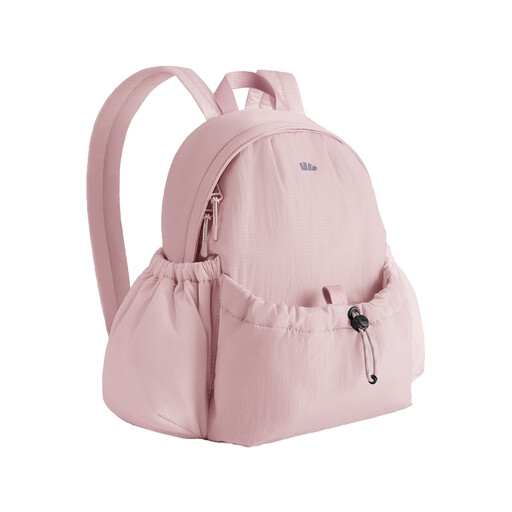
Why This Fits Their Persona: A compact option for UK commuters, students and day-to-day errands when carrying needs vary.
Its listed 10L capacity expands to 13L, helping avoid buying a larger everyday bag than necessary. The fabric is described as resistant to wind, rain and stains, rather than being presented as a sealed dry bag.
8.3 oz listed weight, expandable design and dual pressure-relief shoulder straps.
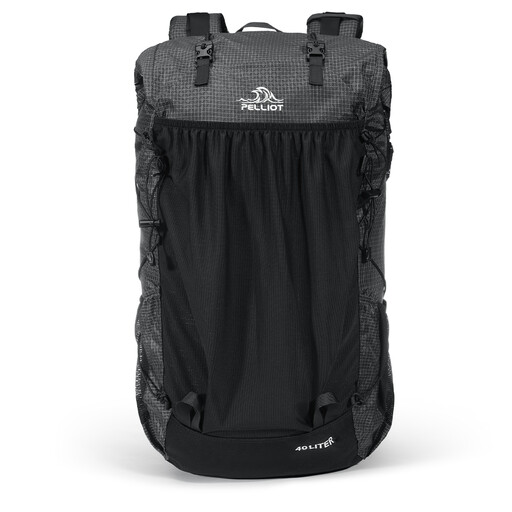
Why This Fits Their Persona: Suits hikers and campers who need structured support and organised storage for two- to three-day trips.
The built-in alloy support frame, adjustable harness and torso sizing give more information than a simple capacity claim. It should still be paired with a rain cover or dry bags because the listing describes durable construction rather than a fully sealed design.
40L capacity, approximately 1.06kg weight and a stated approximate 11kg load range.
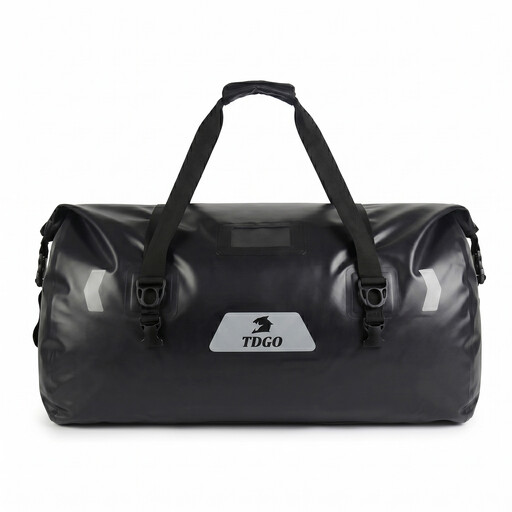
Why This Fits Their Persona: Designed for motorcyclists needing substantial rear luggage for commuting, touring or outdoor travel.
Its PVC construction and roll-top sealed design make the closure method clear. Correct fitting is essential: secure all straps, keep them away from controls and do not exceed the stated capacity.
66L capacity, reflective warning elements and four carrying or fixing modes.
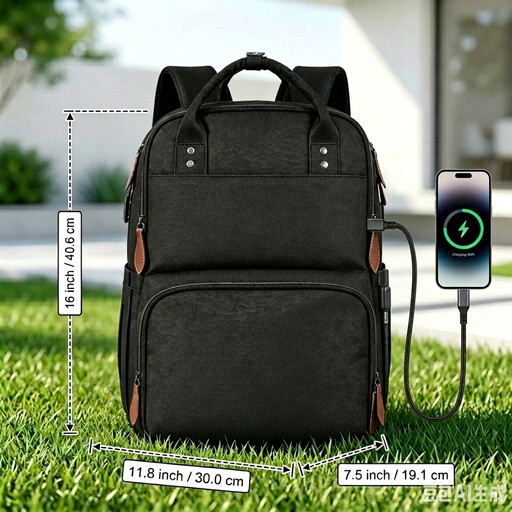
Why This Fits Their Persona: A practical work backpack or college bag for people carrying a laptop, lunch and daily essentials together.
The laptop compartment, insulated section and listed dimensions make the intended load clearer than a generic multi-compartment backpack description. The fabric is water-resistant, so electronics still benefit from sensible protection in heavy rain.
Fits laptops up to 15.6 inches, has an insulated compartment and includes a luggage strap and USB port.
For office travel, prioritise a laptop backpack with padding, a luggage strap and a separate document section. Students may prefer a larger school backpack with reinforced fabric and bottle pockets. Travellers should compare an expandable carry-on backpack with airline cabin dimensions before purchasing, as airline limits vary.
For outdoor use, a hiking backpack or trekking backpack should be fitted to your torso and waist. A breathable back system and load-bearing waist belt are more important than a large litre rating alone. For food and drinks, an insulated lunch backpack with a cleanable lining can be more practical than carrying a separate cooler.
People looking for a unisex backpack or a fashion-led daypack may prefer PU leather or coated nylon, but should check the closure and seam design carefully. “Waterproof” does not remove the need for correct care: wipe the surface clean, air-dry naturally and avoid machine washing where the product instructions prohibit it.
We have compiled a complete, real-time list of products that fully satisfy these strict selection criteria and UK safety regulations.
Not always. A roll-top PVC or TPU dry bag offers a more clearly defined barrier than a fabric bag with a water-repellent coating. Check the product description for closure construction, seam protection and usage limits. For valuable electronics, an internal waterproof pouch adds another layer of protection.
Lifespan depends on fabric, stitching, load weight, cleaning and exposure to sunlight or heat. Avoid overfilling, sharp objects and dragging the base across rough surfaces. Wipe away rain and dirt, then allow the bag to dry fully before storage. PVC and coated materials may deteriorate if left near radiators or other heat sources.
It can be useful if you regularly walk, cycle or use public transport in changeable weather. Choose a design that matches your actual load: a lightweight backpack may be enough for essentials, while a laptop or work backpack needs suitable padding and organisation. If the bag is only water-resistant, carry a protective sleeve for laptops and documents.