
24/7 全天候客户支持

免费退货

当日/次日达

品质保障

开启新人专享福利: 全场免邮 | 低至 2 折 | 免费试用 30 天 JoyPlus 会员
下载 Joybuy
A waterproof bag can prevent wet clothing, damaged electronics and leaking toiletries from becoming expensive problems. However, product descriptions often use waterproof, water-resistant and weather-resistant interchangeably, even though they do not always offer the same level of protection.
Before buying waterproof bags in the UK, look beyond colour and capacity. Check how the closure works, whether the material suits your activity and whether the dimensions match the items you actually carry. A compact waterproof phone pouch may be suitable for a beach visit, while a roll-top dry bag or waterproof backpack may be more practical for cycling, hiking or commuting in heavy rain.
A water-resistant tote bag may cope with light rain and splashes, but it may not protect contents during prolonged exposure or submersion. A coated fabric can repel surface moisture while water still enters through seams, zips or an open top.
For everyday commuting, water-resistant bags may be sufficient. For water sports, kayaking or wet-weather camping, look for a secure roll-top, sealed closure or a product specifically described for general water protection.
Some waterproof phone pouches include a depth figure in the product title. This should not be treated as permission for every type of diving or extended underwater use. Protection depends on correct sealing, water pressure, wear and the condition of the pouch.
Always follow the supplied instructions. Test a pouch with a dry tissue before placing your phone inside and check the seal before every water-based activity.
A large main compartment does not necessarily make a bag practical. Without internal pockets, wet and dry items can mix, while small accessories may be difficult to find.
For commuting, look for laptop protection and separate pockets. For travel, consider travel organisers or a travel toiletry bag with wet-dry separation. For vehicles, a foldable car storage bag with divided compartments can prevent loose equipment from moving around the boot.
The closure is one of the most important parts of waterproof bags. A roll-top closure should be rolled down tightly several times before fastening. Compression straps can reduce movement and help keep the contents compact.
Zips are convenient, but they should be covered or designed for water resistance if the bag will be used outdoors. Drawstring and magnetic closures may help keep contents secure, although they should not automatically be considered suitable for submersion.
Common materials include nylon, Oxford fabric, PU leather and coated synthetic fabrics. Their practical suitability varies:
Check whether the listing says waterproof, water-resistant or weather-resistant. These terms describe different expectations and should be matched to the conditions you anticipate.
Capacity should reflect your routine rather than an occasional maximum load. A 2L or 4L dry bag can hold small accessories, while an 8L option may suit clothing or larger equipment. A 19L tote can accommodate work essentials, whereas a 25L to 35L expandable backpack may be more suitable for short trips.
Also check dimensions, laptop compatibility and carrying method. A bag that fits an A4 notebook may not fit a 16-inch laptop and a large storage organiser may not fit every vehicle boot or rear seat.
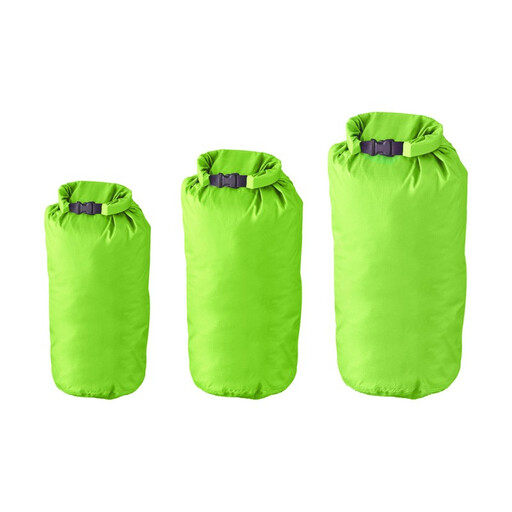
Why This Fits Their Persona: The three capacities suit shoppers who want to organise camping, hiking or travel equipment without committing to one large bag.
Different sizes reduce the need to overfill one compartment, while the roll-top closure provides a clear method for securing contents.
Includes 2L, 4L and 8L bags; lightweight construction; roll-top compression design.
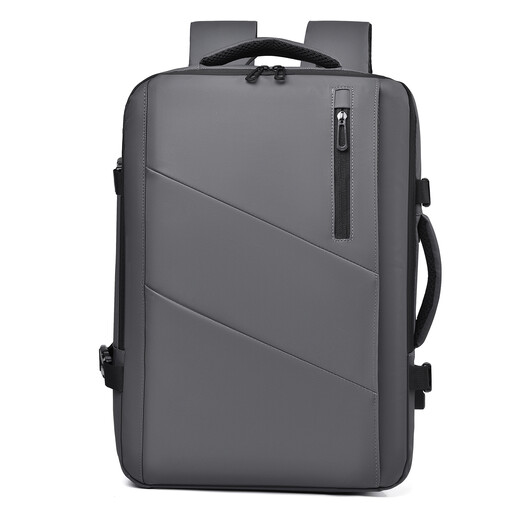
Why This Fits Their Persona: It suits commuters and frequent UK travellers who need one carry option for workdays, weekend trips and changing luggage requirements.
The expandable 25L to 35L format helps buyers choose capacity according to the trip instead of carrying an oversized bag daily.
Expandable capacity; business laptop rucksack format; multiple pockets for commuting and travel.
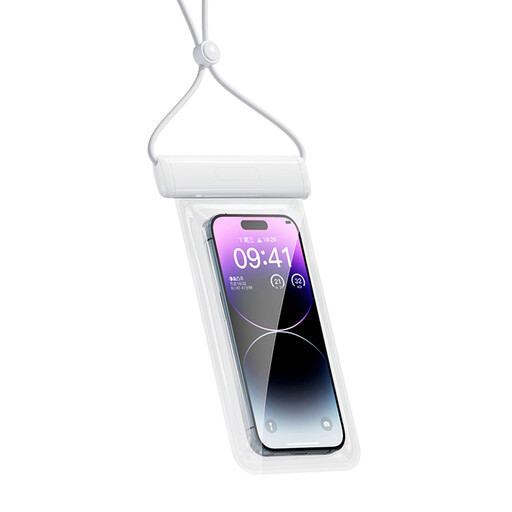
Why This Fits Their Persona: Designed for people who regularly visit beaches, pools, water parks or outdoor locations where phones may encounter water, sand or dust.
The instructions require a dry-tissue test and careful sealing, helping users verify the pouch before exposing a phone to water.
Protection is described for water, sand, dust and snow; includes guidance for rinsing and drying after saltwater or chlorine exposure.
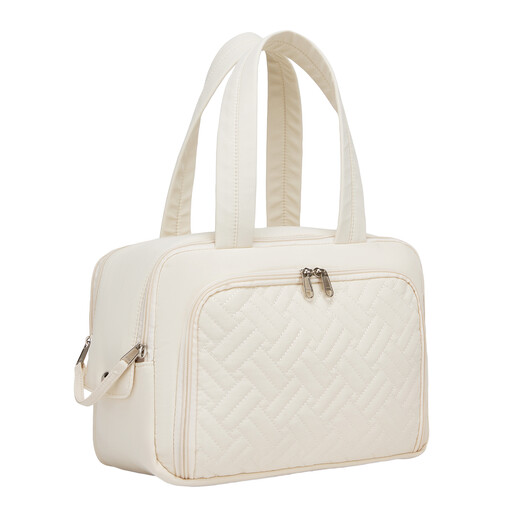
Why This Fits Their Persona: A practical choice for gym visits, hotel stays and work travel where toiletries, brushes and damp items need separate storage.
The dedicated wet-dry pocket reduces contact between damp items and the rest of the contents, unlike a single open compartment.
31 x 14 x 21 cm dimensions; three independent compartments; 180° opening and suitcase trolley strap.
We have compiled a complete, real-time list of products that fully satisfy these strict selection criteria and UK safety regulations.
Some are, but suitability depends on the closure, fabric and construction. A coated tote or backpack may handle a typical shower, while a roll-top dry bag offers a more suitable design for prolonged wet conditions. No bag should be assumed to protect contents during submersion unless the product instructions specifically support that use.
There is no fixed lifespan. Frequent folding, abrasion, sunlight, saltwater and incorrect cleaning can reduce water resistance. Inspect the material and closures regularly, follow care instructions and replace a pouch or bag if its seal, fabric or stitching shows damage.
Touchscreen response may reduce underwater, even when the pouch is sealed correctly. Start recording before submerging or use the phone’s physical buttons where supported. Always test the pouch and confirm that the device fits without placing excessive pressure on the closure.