
24/7 全天候客户支持

免费退货

当日/次日达

品质保障

开启新人专享福利: 全场免邮 | 低至 2 折 | 免费试用 30 天 JoyPlus 会员
下载 Joybuy
A reliable waterproof camping tent is the cornerstone of any successful British outdoor adventure, whether it's a weekend festival, a family holiday by the coast or a trek through the Highlands. Yet, navigating the market can feel like a minefield of confusing jargon and features that don't always deliver. Many campers find themselves disappointed, learning the hard way about the pitfalls of a poor choice. Before you invest, let's look at the common traps that can leave you damp, frustrated and out of pocket.
pop up tent is appealing, but many basic models use flimsy poles that offer little resistance to the gusty winds common across UK campsites. A tent that can't hold its shape in a breeze is not only frustrating but can also compromise its ability to shed rain effectively.To avoid these issues, focus on a few core parameters. Understanding these will empower you to see past the marketing hype and choose a shelter that is genuinely fit for purpose.
This is the single most important measure of how waterproof a tent's fabric is. It's measured in millimetres (mm) and indicates how much water pressure the fabric can withstand before it starts to leak.
festival tent models.family camping tent or a weekend hiking shelter.4 season tent UK models, designed for harsh weather and winter conditions.To combat condensation, look for a double-wall tent. This design features a breathable inner tent (often with mesh panels) and a separate waterproof outer flysheet. The gap between the two layers allows air to circulate, significantly reducing moisture build-up. Key features to look for include:
The frame provides the tent's stability. The two most common materials are fibreglass and aluminium.
ultralight tent and shelters designed for windy conditions.A quick pitch tent with a sturdy, pre-attached aluminium pole system often provides a better balance of convenience and weather resistance than a basic pop-up design. For larger tents, look for multiple crossing poles which create a more robust, wind-shedding structure.
We've filtered through the options to match different needs with tents that address the common pitfalls.
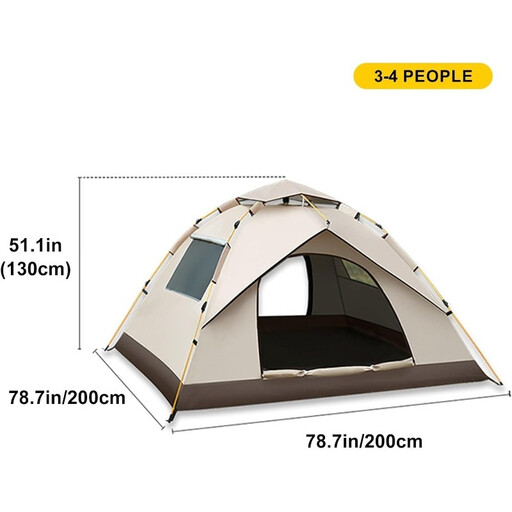
Why This Fits Their Persona: This is for the camper who prioritises speed and simplicity. The automatic hydraulic system makes it a true quick pitch tent, ideal for arriving at a festival or campsite late on a Friday evening. It's spacious enough for a couple with gear.
Its 3000mm waterproof rating and two-layer design with a detachable outer flysheet directly counter the "waterproof deception" and "condensation trap," offering reliable rain protection and ventilation often missing in basic pop-up models.
The dual-door design enhances ventilation and convenience. The entire structure uses a windproof design with strong fibreglass poles, offering more stability than a standard pop-up tent.
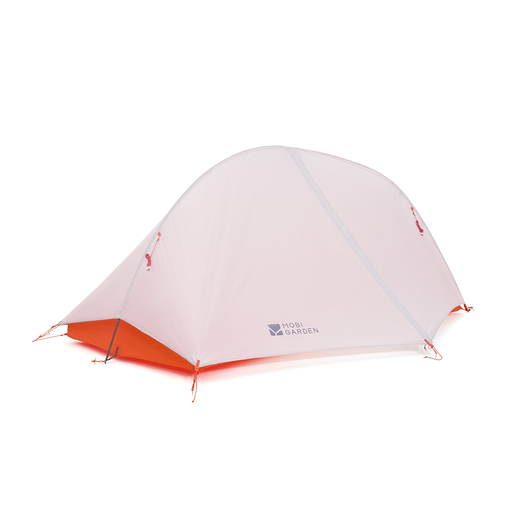
Why This Fits Their Persona: For the serious trekker where every gram counts. This is a technical ultralight tent designed for long-distance hiking. Its tiny pack size and low weight (approx. 1.18kg) make it ideal for carrying over many miles.
It uses high-performance materials: ultralight aluminium alloy poles for strength without weight, and a 20D ripstop nylon flysheet. The large mesh inner tent provides excellent ventilation, directly solving the condensation problem common in small tents.
Exceptional weight-to-space ratio for a 2 person tent. The front and rear doors are a premium feature, allowing easy entry/exit without disturbing a partner and creating cross-ventilation.
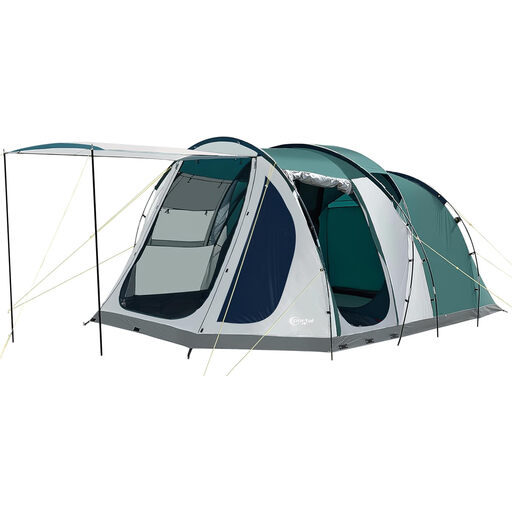
Why This Fits Their Persona: This is a proper family camping tent, offering separate living and sleeping areas. The generous headroom (200cm) and large footprint make it comfortable for a family of four or five on a longer holiday, with space for bags, chairs and a table.
With a 3000mm waterproof rating and a fully sewn-in groundsheet, it provides excellent protection from rain and ground moisture. The extensive ventilation system (2 doors, multiple windows and vents) prevents the stuffiness and condensation common in large tents.
The separate living area is a game-changer for family comfort, providing a dry space to relax if the weather turns. The extendable tent with porch awning adds valuable sheltered outdoor space.
We have compiled a complete, real-time list of products that fully satisfy these strict selection criteria and UK safety regulations.
For typical 3-season camping in the UK, a Hydrostatic Head (HH) rating of 2000mm to 3000mm is highly recommended. This provides a reliable barrier against the persistent and often heavy rain you can encounter. A 1500mm rating may suffice for a summer festival with a good forecast, but for anything more, a higher rating provides peace of mind.
A 3-season tent is designed for spring, summer and autumn. It prioritises ventilation to manage condensation and is built to withstand rain and moderate wind. A 4-season tent is engineered for winter conditions. It typically has a more robust pole structure to handle snow loading and strong winds, less mesh for warmth and a higher waterproof rating. For most UK camping, a good quality 3-season tent is sufficient.
Condensation is unavoidable, but you can manage it. The key is ventilation. Always use a double-wall tent, open the vents (even when it's raining), and if conditions allow, leave a door or window slightly unzipped. Avoid blocking vents with your gear and try to pitch your tent where it will catch a breeze. Wiping the inner flysheet with a cloth in the morning can also help remove excess moisture before you pack up.