
24/7 Customer Support

Free returns

Same-day & Next-day Delivery

Quality Guaranteed

Unlock Your Welcome Offers: FREE Delivery | Up to 80% OFF | Free 30-day JoyPlus trial
Download the APP
As you prepare your nursery, choosing the right bedding is about more than just colour schemes and soft fabrics. A waterproof cot bed mattress protector is a practical necessity, but navigating the market can be confusing. Many products make bold claims, yet some contain hidden flaws that can affect your baby's comfort and safety.
This guide cuts through the marketing clutter. We will highlight the common purchasing pitfalls new parents in the UK face and break down the essential features to look for, helping you make a confident choice for your little one's sleeping environment.
Before you add a protector to your basket, be aware of these frequent issues that can lead to a poor purchase.
To ensure you are getting a product that is safe, comfortable and durable, focus on these non-negotiable parameters.
The materials touching your baby's skin and contributing to their air quality are paramount. Look for protectors made from materials that are explicitly stated as non-toxic. A key indicator of safety is the Oeko-Tex Standard 100 certification, which ensures that every component of the product has been tested for harmful substances. This standard provides an extra layer of reassurance that you are choosing a safe sleep mattress protector. Furthermore, a protector that acts as a barrier against mattress off-gassing can limit your baby's exposure to VOCs.
Modern protectors should offer a dual benefit: complete waterproofing without compromising on breathability. The technology has advanced beyond simple plastic sheets. Look for products that use advanced materials like polyurethane layers bonded to a soft fabric. This construction stops liquids from penetrating the mattress while still allowing air and vapour to circulate, preventing overheating and creating a more comfortable sleep environment. An effective protector should also serve as an anti-allergy mattress protector for baby, creating a barrier against dust mites and other allergens that can thrive in mattresses.
A protector must fit the mattress perfectly. For a standard UK cot bed, you will need a cot bed mattress protector 140x70 cm. A loose-fitting protector can create folds and bunches, which is a potential safety hazard. Equally important is the protector's thickness. Avoid heavily padded or quilted protectors, as they can compromise the firmness of the mattress surface, which is a key recommendation for safe sleep. A thin, smooth protector maintains the intended firmness of the mattress while still providing full protection. Finally, check that it is machine washable for easy and routine cleaning.
Based on these critical criteria, we have identified several items that cater to the specific needs of modern parents.
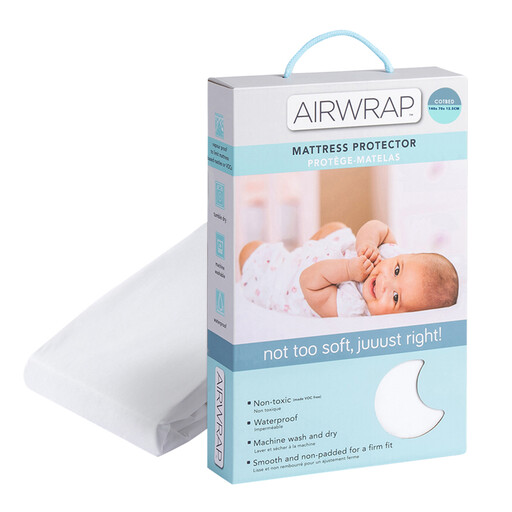
Why This Fits Their Persona: This is for the parent who has meticulously researched safe sleep and wants a product that addresses every concern, from material safety to mattress firmness and breathability. It is a comprehensive solution for the cot bed.
Its non-padded, smooth design avoids the firmness trap, while its patented vapour-proof construction directly tackles the hidden chemicals (VOCs) concern. It is designed to be quiet and breathable.
Provides a barrier against mattress off-gassing (VOCs). Protects against dust mites and bacteria, functioning as an anti-allergy shield.
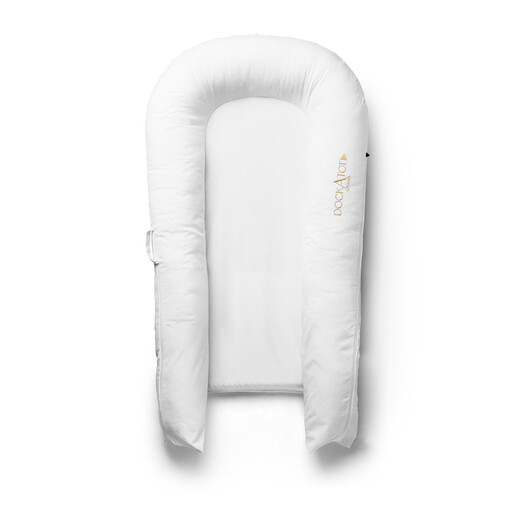
Why This Fits Their Persona: For parents who already own the DockATot Grand dock for their toddler (9-36 months) and need a spare cover for hygiene or a style refresh. The focus here is on maintaining a clean, safe lounging environment.
This cover directly addresses the "hidden chemicals" concern with its Oeko-Tex Standard 100 Class I certification, ensuring the fabric is tested and safe for a toddler's sensitive skin.
Made from 100% cotton for a soft and breathable surface. It is fully machine washable, making it simple to keep clean.

Why This Fits Their Persona: This is for the parent who needs comfortable support during long nights of feeding, reading or soothing their baby. It turns any spot in the nursery into a more ergonomic and supportive seat.
This product helps parents avoid the trap of neglecting their own comfort, which is crucial for their well-being. Its high-density filling provides proper back support, preventing aches and pains.
Features a removable and washable cover for easy cleaning. The convenient side pocket is useful for keeping a phone or bottle close at hand.
We have compiled a complete, real-time list of products that fully satisfy these strict selection criteria and UK safety regulations.
For general hygiene, it is good practice to wash the mattress protector weekly along with the rest of your baby's bedding. You should, of course, wash it immediately after any spills or accidents. Always follow the manufacturer's specific care instructions, which typically recommend a gentle machine wash at a low temperature.
Yes, it can. This is why it is important to choose a protector that is thin and non-padded. Heavily quilted or padded protectors can add a soft layer to the sleep surface, which can reduce the firmness of the mattress. Safe sleep guidelines recommend a firm, flat sleep surface, so a smooth, well-fitting protector is the appropriate choice.
No, not all of them are. Basic, cheaper protectors are often just a layer of plastic (like PVC) which is not breathable and can cause overheating. Look for protectors that specify a "breathable" membrane, often made from polyurethane (PU), which allows air to circulate while remaining 100% waterproof. This ensures a more comfortable and regulated sleep temperature for your baby.