
24/7 Customer Support

Free returns

Same-day & Next-day Delivery

Quality Guaranteed

Unlock Your Welcome Offers: FREE Delivery | Up to 80% OFF | Free 30-day JoyPlus trial
Download the APP
Navigating the market for a waterproof hardshell jacket can feel like wading through a storm of technical jargon and ambitious marketing claims. With the famously unpredictable UK weather, a reliable jacket is less of a luxury and more of an essential. Yet, many of us have been caught out, ending up with a coat that either soaks through in the first real downpour or feels like wearing a plastic bag. As your Joybuy Product Recommendation Officer, my role is to help you see past the hype and focus on what truly matters for staying dry and comfortable, whether you're on a city commute or a hillside trek.
Before you invest, let's look at the common pitfalls that lead to buyer's remorse.
To avoid these traps, focus on a few core features. Understanding these will empower you to choose a jacket that performs as promised.
True waterproof performance isn't just about the fabric; it's about the construction. Look for jackets described as having a waterproof laminate or membrane and, crucially, fully taped seams. Taped seams are a heat-sealed strip applied over the stitching, which prevents water from leaking through the tiny holes made by the needle. This is a non-negotiable feature for any genuine storm-proof coat UK residents can rely on. The fabric should also be windproof, providing a solid defence against biting winds that can cut through lesser materials.
This is the key to comfort during any activity. Breathability in a technical fabric allows moisture vapour (your sweat) to escape from the inside while blocking water droplets from the outside. Look for terms like high moisture breathability or moisture-wicking lining. A jacket with good breathability is essential for anyone planning to use it for hiking, cycling or even just a brisk walk to the station. It’s the defining feature of a functional technical shell for trekking.
A good hardshell should be able to withstand the rigours of both urban and outdoor environments. An abrasion-resistant fabric, typically a high-performance nylon or polyester blend, will resist scuffs from rucksacks, rocks and daily wear. Pay attention to the fit as well. A well-designed unisex outdoor jacket will offer a "utility fit" that provides enough room for layering a fleece or jumper underneath without feeling bulky, making it a versatile, year-round piece.
Based on these practical criteria, here are a few options matched to different needs and lifestyles.
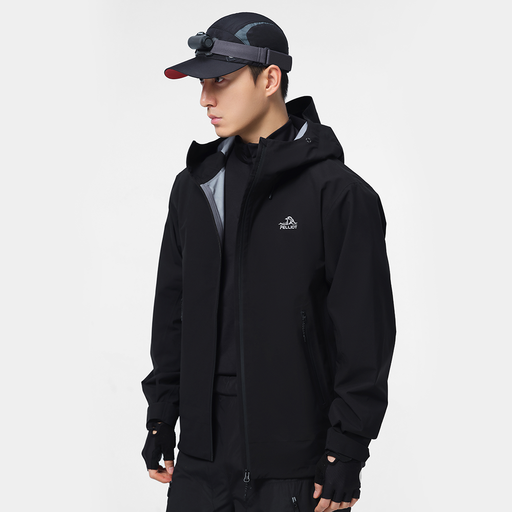
Why This Fits Their Persona: This user needs a single, reliable jacket for a rainy commute during the week and a spontaneous hike in the Brecon Beacons on Saturday. Its clean, modern design doesn't look out of place in the city, but it has the technical features needed for the trail.
It offers genuine storm-proof waterproofing, moving far beyond simple "water-resistance". The high moisture breathability directly counters the "boil-in-the-bag" effect, ensuring comfort during active use.
Its primary advantage is versatility. The utility fit is designed for layering and the abrasion-resistant fabric ensures it holds up to regular use with a rucksack.
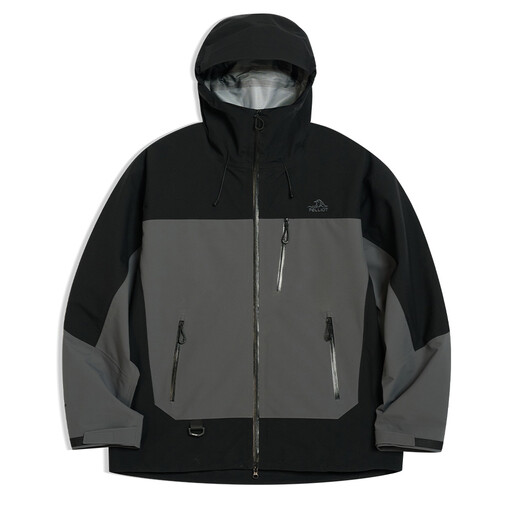
Why This Fits Their Persona: For the person who spends their weekends exploring the Scottish Highlands or the Lake District fells. They prioritise performance and durability above all else, needing a jacket that can handle rough terrain and severe weather.
This jacket directly addresses the "fragile by design" pitfall. Its specified abrasion-resistant construction is built to endure contact with rocks and branches, ensuring it is a long-lasting piece of kit.
The combination of storm-proof waterproofing and enhanced breathability makes it suitable for high-intensity activity in poor weather. The colour-blocked design also adds a modern aesthetic.
Why This Fits Their Persona: This individual needs reliable protection for their daily journey to work or university. They value a smart, minimalist aesthetic that pairs well with casual or office attire and require a jacket that performs without shouting "mountaineer".
It provides a functional techwear aesthetic without compromising on core performance. The high breathability is perfect for the variable temperatures of public transport and walking through a busy city.
The streamlined silhouette and true-to-size fit make it an easy and stylish addition to an everyday wardrobe, while the storm-proof construction offers peace of mind in any downpour.
We have compiled a complete, real-time list of products that fully satisfy these strict selection criteria and UK safety regulations.
A hardshell is your primary defence against severe weather. It is fully waterproof, windproof and built for durability. A softshell, on the other hand, prioritises breathability and stretch. It is typically only water-resistant and is better suited for cool, dry days or high-intensity activities where you are likely to sweat a lot. For reliable rain protection in the UK, a hardshell is the more practical choice.
Always check the label first. Generally, you should close all zips and wash the jacket on a gentle, cool cycle using a specialised technical wash, not standard detergent. Fabric softeners should be avoided as they can clog the pores of the waterproof membrane, ruining its breathability. Air dry the jacket away from direct heat. Proper care will significantly extend its lifespan and performance.
Many modern unisex outdoor jackets are designed with a straight or "utility" cut that works well for a wide range of body types. They often provide more room in the shoulders and chest, which can be beneficial for layering. To ensure a good fit, always check the detailed size chart provided by the manufacturer, paying close attention to the chest, length and sleeve measurements. If you plan to wear thick mid-layers, it can sometimes be a good idea to size up.