
24/7 Customer Support

Free returns

Same-day & Next-day Delivery

Quality Guaranteed

Unlock Your Welcome Offers: FREE Delivery | Up to 80% OFF | Free 30-day JoyPlus trial
Download the APP
Wet grass, muddy paths, loose stones and sudden showers are routine on many UK walks. The right pair of waterproof hiking boots can help keep feet dry and provide a more secure footing, but product pages often use broad performance language that makes comparison difficult.
Before buying, look beyond phrases such as “all-terrain” or “heavy-duty”. Check the construction, sizing and sole design against the places you actually intend to walk. This guide explains the key details to compare, common buying traps and a selection of products suited to different outdoor users.
Water-resistant materials, waterproof membranes and sealed construction do not necessarily mean a boot can remain submerged indefinitely. Water may enter through the collar, tongue or seams, particularly when walking through deep puddles or streams.
Check whether the product description specifies a waterproof membrane, water-resistant upper or other construction details. Also consider the boot height: high-top designs provide more coverage around the ankle than low-cut waterproof walking boots.
A deep lug pattern may look suitable for difficult terrain, but grip depends on the full sole design and the surface underfoot. Mud, wet rock, compacted earth and loose scree each behave differently.
Look for a clearly described high-traction rubber sole and specialised lug pattern. A supportive upper and secure fastening are also important; a grippy sole cannot compensate for a loose fit or poor heel hold.
Outdoor footwear needs enough room for movement and hiking socks, but excessive space can cause heel lift and rubbing. Foot sizes can also vary between manufacturers and between women’s hiking boots and men’s hiking boots.
Measure foot length in millimetres and compare it with the seller’s size chart. If you are between sizes, the supplied product guidance recommends selecting the larger size for a more comfortable fit. Allow room around the toes without letting the foot slide forward on descents.
For changeable British weather, a breathable waterproof lining or membrane is useful because it aims to limit water ingress while allowing some moisture vapour to escape. This is different from a fully non-breathable rubber boot, which may feel warmer during prolonged walking.
No membrane removes the need for sensible care. Dry boots away from direct heat, clean mud from the upper and follow the manufacturer’s instructions. Excessive heat can damage adhesives and synthetic materials.
For hills, woodland routes and camping trips, prioritise a rubber outsole with a defined tread. High-traction hiking boots with spaced lugs may shed mud more effectively than shallow, closely packed patterns, although the ideal design depends on the route.
If you plan technical scrambling or mountaineering, check whether the boot provides the stiffness, ankle support and compatibility required for your equipment. A general trekking boot should not automatically be treated as a mountaineering boot.
An abrasion-resistant synthetic upper, protective toe cap and high-top profile can help shield the foot from brush, stones and uneven ground. Quick-lace systems may also be practical when adjusting footwear with cold hands or gloves.
However, convenience should not replace fit. Tighten the boot securely around the midfoot and ankle, then check that your toes remain comfortable when walking downhill.
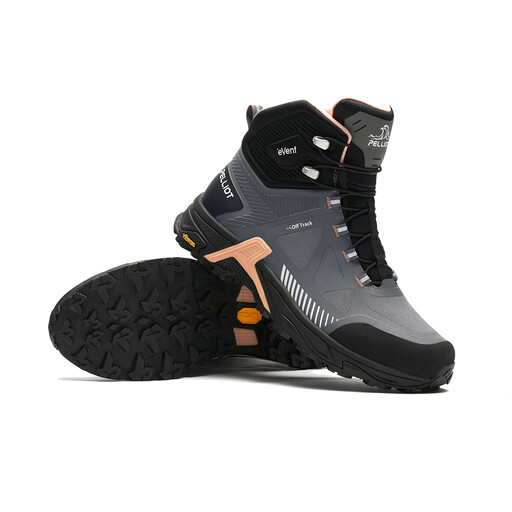
Why This Fits Their Persona: A practical option for people starting regular countryside walks, weekend camping trips or coastal routes and seeking one pair with broad outdoor functionality.
The listing specifies a breathable waterproof membrane, protective toe cap, abrasion-resistant synthetic upper and specialised-lug rubber sole rather than relying only on a general outdoor label.
High-top coverage and one-handed quick-lace adjustment are listed features. The size chart includes a 235 mm foot length for EU 37.
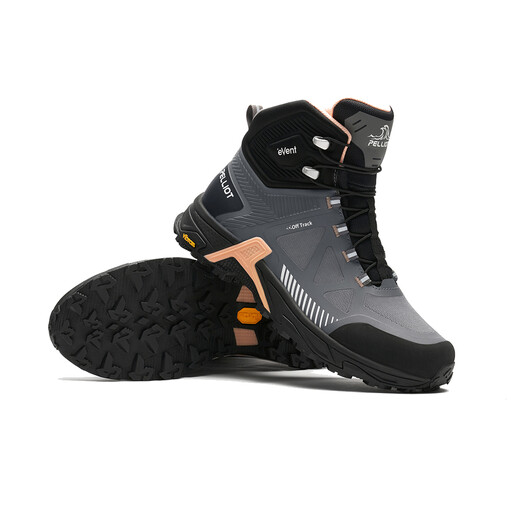
Why This Fits Their Persona: Suited to walkers who place greater emphasis on construction details, ankle coverage and adaptable fastening for longer routes in unsettled weather.
Its product information identifies the membrane, upper, toe protection and outsole materials, making the specification easier to compare with similarly marketed waterproof walking boots.
The listed design combines a protective toe cap, high-traction rubber sole and Fitgo quick-lace system. EU 38 corresponds to a listed 240 mm foot length.
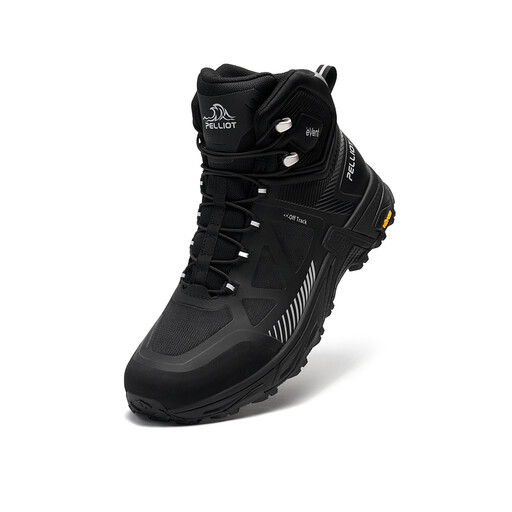
Why This Fits Their Persona: Designed around the requirements often considered by frequent hikers, trekkers and outdoor travellers covering muddy paths, rocky ground and brush.
The listing states that it has a waterproof and breathable lining, abrasion-resistant synthetic upper, protective toe cap and specialised tread for wet rock, mud and loose scree.
The Nifco cord lock is described as suitable for one-handed adjustment, while the size chart lists EU 43 for a 265 mm foot length.
Even durable hiking boots can deteriorate quickly when stored wet or cleaned incorrectly. After a walk:
For lightweight trekking boots used on occasional paths, this routine can help preserve flexibility. Frequent users should also monitor tread wear and replace footwear when the sole no longer provides dependable contact with the ground.
We have compiled a complete, real-time list of products that fully satisfy these strict selection criteria and UK safety regulations.
They can be, particularly if you regularly walk on wet pavements, fields or woodland trails. However, robust all-terrain hiking boots may feel warmer or heavier than ordinary casual shoes. For short urban walks, a lighter waterproof walking boot may be more comfortable.
Measure both feet while wearing the socks you expect to use. Check the manufacturer’s millimetre chart, ensure your heel stays in place and leave comfortable space in front of the toes. If you are between sizes, the supplied PELLIOT guidance recommends choosing the larger size.
There is no fixed lifespan. Frequency of use, terrain, walking style, cleaning and storage all affect wear. Boots used on rocky routes or as camping boots may show outsole wear sooner than footwear used on maintained paths. Check the tread, seams, upper and fastening regularly rather than relying on a particular time period.