
24/7 Customer Support

Free returns

Same-day & Next-day Delivery

Quality Guaranteed

Unlock Your Welcome Offers: FREE Delivery | Up to 80% OFF | Free 30-day JoyPlus trial
Download the APP
A reliable waterproof jacket is an essential piece of kit for life in the UK. Whether you're commuting in a sudden downpour, walking the dog or trekking through the Peak District, staying dry is key to comfort and safety. Yet, the market is flooded with options, and it's easy to make a poor choice. Many jackets that promise complete protection end up leaving you damp and disappointed.
As a Joybuy Product Recommendation Officer, my role is to help you see past the marketing jargon. Before you spend your money, let's look at the common pitfalls that catch out even savvy shoppers.
To make a smart purchase, you need to understand a few core specifications. These aren't just technical terms; they are direct indicators of how a jacket will perform in the real world.
This measures how much water pressure a fabric can withstand before it starts to leak. It's measured in millimetres (mm) and is often referred to as the Hydrostatic Head (HH) rating.
Breathability is measured by the Moisture Vapour Transmission Rate (MVTR), in grams per square metre per 24 hours (g/m?/24h). This tells you how much water vapour (sweat) can escape from the inside of the jacket.
breathable hardshell jacket will typically have a rating in this range.hardshell jacket is fully waterproof, windproof and typically more durable. It's the outer layer designed for maximum protection in wet and windy weather, from mountain trails to stormy city streets.fleece lined softshell prioritises comfort, flexibility and breathability. It's usually water-resistant (not fully waterproof) and offers warmth and protection from the wind. It's an excellent all-weather coat for dry, cool days or light drizzle.Instead of a one-size-fits-all approach, we've matched a few standout options to specific user needs, helping you find the right jacket for your lifestyle.

Why This Fits Their Persona: Ideal for the person who needs a single, stylish jacket for dashing to the office, weekend errands and light exercise. Its sleek, minimalist design fits well in an urban environment, while its technical features provide practical performance.
It avoids the "boil-in-the-bag" effect. The UA Storm technology repels water while the stretch-woven fabric remains highly breathable, preventing overheating during a fast-paced commute.
Versatility: A performance-ready layer that transitions from workout to street. 4-Way Stretch: The fabric moves with you, offering excellent comfort and freedom of movement.
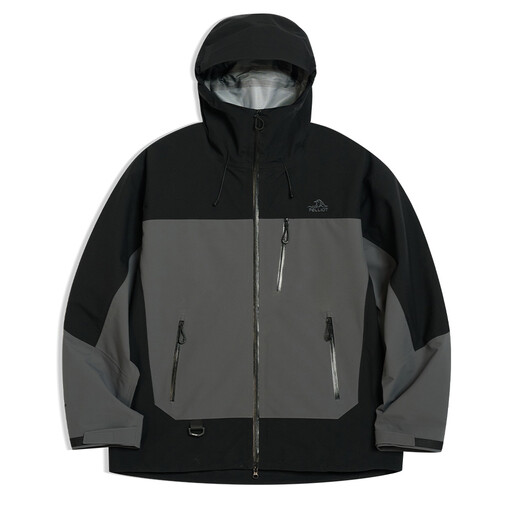
Why This Fits Their Persona: This is for the user who needs serious protection against the elements. It's a proper breathable hardshell jacket built for mountain trekking, camping and facing unpredictable weather head-on.
It directly counters the "water-resistant" trap with its storm-proof waterproof technology, designed to withstand prolonged, heavy rain. Its high-breathability construction also prevents the "boil-in-the-bag" feeling during strenuous climbs.
Durability: The windproof and abrasion-resistant fabric is built to handle contact with rocks and branches. All-Terrain Performance: A true all-weather coat suitable for everything from snowy trails to rainy city streets.
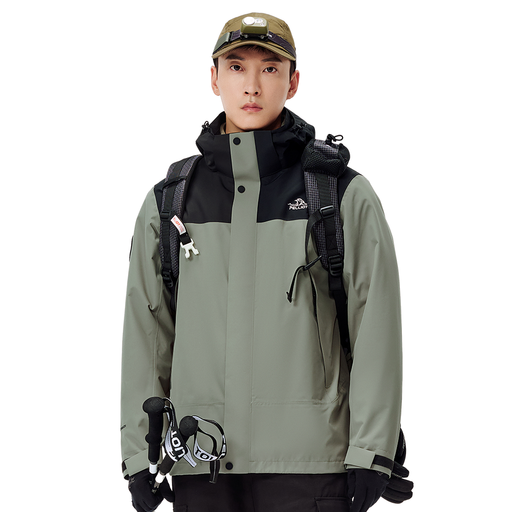
Why This Fits Their Persona: This is for the practical buyer who wants maximum value and adaptability. The 3-in-1 system provides a solution for cold, wet and mild conditions, making it a go-to choice throughout the year.
It avoids the trap of buying the wrong jacket for the season. Instead of a single-purpose item, you get a waterproof shell for rain, a warm fleece for cool days and a combined system for cold and wet weather.
3-in-1 System: Wear the shell, the liner or both together for ultimate adaptability. Thermal Liner: The upgraded tech thermal liner is anti-static and designed for lasting warmth.
We have compiled a complete, real-time list of products that fully satisfy these strict selection criteria and UK safety regulations.
The lifespan of a waterproof jacket depends on its quality, how often you use it and how you care for it. A well-made jacket from a reputable brand can last for many years. The waterproof membrane and taped seams are the most critical parts. To prolong its life, wash it correctly using specialised technical washes and re-apply a Durable Water Repellent (DWR) coating when you notice water is no longer beading on the surface.
A waterproof jacket is designed to stop rain from penetrating the fabric, usually featuring a membrane and taped seams. A black windproof jacket, or windbreaker, is primarily designed to block wind to prevent heat loss. While many waterproof jackets are also windproof, not all windproof jackets are waterproof. Windbreakers are typically lighter and more breathable, making them ideal for cool, dry and blustery days.
Yes, but you must do it carefully. Dirt, sweat and oils can clog the pores of the breathable membrane, reducing its performance. Always check the care label first. Generally, you should use a non-biological liquid detergent or a specialised technical wash. Wash on a gentle, low-temperature cycle and close all zips and fasteners beforehand. Avoid fabric softeners and standard powders, as they can damage the waterproof coating and membrane.