
24/7 Customer Support

Free returns

Same-day & Next-day Delivery

Quality Guaranteed

Unlock Your Welcome Offers: FREE Delivery | Up to 80% OFF | Free 30-day JoyPlus trial
Download the APP
A waterproof jacket should keep rain out without becoming uncomfortable, fragile or impractical after a few outings. Yet product listings often make it difficult to compare like with like. A lightweight shell may suit a short commute but struggle during prolonged exposure, while a thick hard shell can feel restrictive when walking uphill.
Before buying a waterproof rain jacket, watch for three common traps:
Waterproof performance is affected by more than the outer fabric. Look for a waterproof membrane or laminate, covered zips and, where stated, taped or sealed seams. The hydrostatic-head rating, measured in millimetres, indicates how much water pressure the fabric can withstand in laboratory conditions. A higher figure generally indicates greater resistance to water penetration, but construction quality and wear also influence real-world performance.
For everyday showers, a water-resistant hooded jacket may be adequate. For exposed hills, fishing or prolonged cycling, consider a waterproof jacket with a hard-shell construction and a properly adjustable hood.
A breathable outdoor jacket allows moisture vapour from perspiration to escape more readily than a non-breathable plastic layer. This is useful for trekking, cycling and other activities where your body produces heat. Look for terms such as moisture-permeable membrane, mesh lining, underarm ventilation or two-way zips.
No fabric can eliminate condensation in every condition. In cold, wet UK weather, wear moisture-managing base layers and avoid combining a shell with too many insulating layers.
A lightweight hiking jacket should protect movement without adding unnecessary bulk. Check the garment measurements rather than relying only on S, M or L. Compare chest, shoulder, sleeve and back length, especially if you need room for a mid-layer.
A foldable raincoat or reusable rain poncho with a storage bag is convenient for a rucksack, car boot or suitcase. A fitted jacket is generally easier to use for cycling and active walking, while a poncho offers looser coverage over clothing and some bags.
Look for:
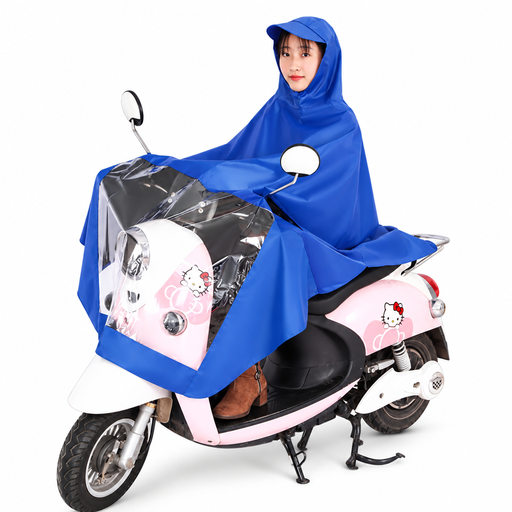
Why This Fits Their Persona: A practical option for occasional showers, festivals, fishing trips and keeping in a day bag for unpredictable UK weather.
The storage bag and foldable format make packability clear, reducing the risk of buying a bulky layer that stays at home.
Hood, pockets, reusable design and included storage bag; suitable for hiking, fishing, cycling and travel.
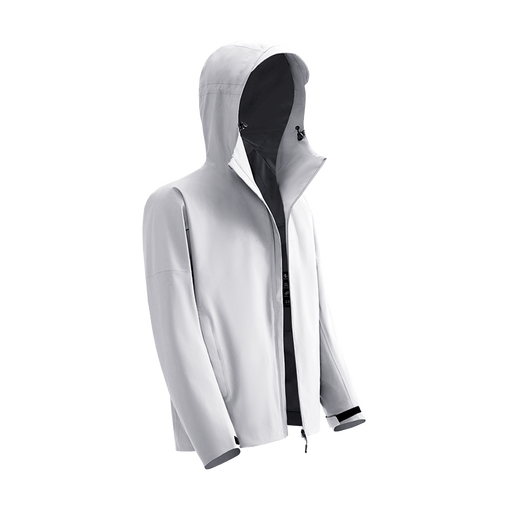
Why This Fits Their Persona: The single-layer hard shell suits shoppers seeking a technical unisex waterproof jacket for active outdoor use, with stretch for easier movement.
The listing specifies a waterproof membrane, moisture permeability and a stretch outer layer, giving useful construction details beyond a simple “rainproof” label.
T800 stretch outer layer; 0.02 mm high-transparency waterproof membrane; cold gentle machine-wash care instructions.
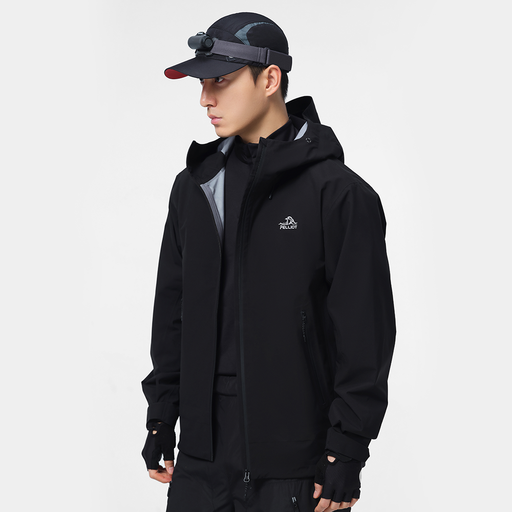
Why This Fits Their Persona: Designed for shoppers who need a hard shell for water sports, mountain trekking, rough terrain or demanding daily weather exposure.
The product information identifies a waterproof laminate, wind resistance, abrasion-resistant fabric and care guidance, helping heavy users assess durability rather than relying on appearance.
Nylon or polyester blend shell with waterproof laminate; sizes from XS to XXL; listed chest measurements support more accurate fit selection.
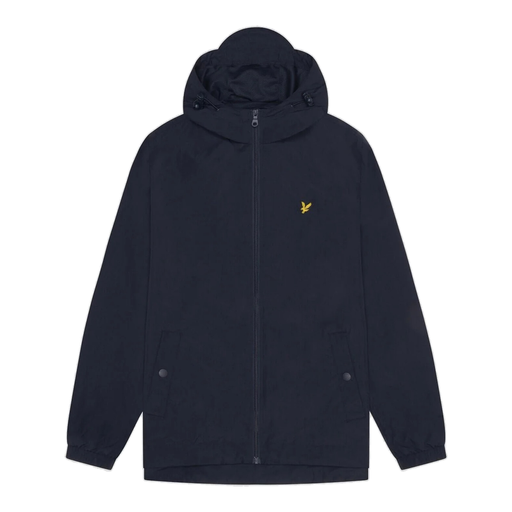
Why This Fits Their Persona: A regular-fit layer for commuting, casual wear and lighter outdoor activity, with sizes listed from XS to 5XL.
Its description clearly says water-resistant rather than waterproof, helping shoppers match the garment to lighter rain instead of expecting heavy-weather performance.
Lightweight nylon outer shell; adjustable hood with drawcord; full-zip front; size range extending to 5XL.
We have compiled a complete, real-time list of products that fully satisfy these strict selection criteria and UK safety regulations.
A waterproof jacket can work well for cycling if it allows arm movement, has adjustable cuffs and provides sufficient back coverage. A breathable shell is more comfortable for longer rides, while a foldable raincoat is useful as an emergency layer for short commutes.
Lifespan depends on frequency of use, abrasion, washing and storage. A hard shell with abrasion-resistant fabric may suit regular trekking, but any jacket can lose water-repellent performance over time. Wash according to the care instructions, air-dry away from direct heat and consider reapplying DWR treatment when needed.
A reusable rain poncho can be convenient when packability and loose coverage are priorities. It may fit over everyday clothing or a small bag, but a fitted waterproof jacket usually offers better freedom of movement for cycling, scrambling and windy conditions.