
24/7 Customer Support

Free returns

Same-day & Next-day Delivery

Quality Guaranteed

Unlock Your Welcome Offers: FREE Delivery | Up to 80% OFF | Free 30-day JoyPlus trial
Download the APP
A good mattress is an investment in your sleep and well-being. Protecting that investment from life's inevitable spills, accidents and general wear is a practical step. Whether you're a parent navigating potty training, a pet owner or simply want to maintain a hygienic sleep environment, finding the right protector is key.
For those with a standard UK single bed, the search often leads to a specific size: 90x200cm. But not all protectors are created equal. This guide is designed to help you understand the key features to look for and to highlight some practical options available, so you can make a choice that suits your needs.
Choosing a mattress protector involves more than just getting the size right. Here are a few important factors to keep in mind to ensure you get a product that performs well and fits correctly.
One of the most common frustrations is a protector that doesn't stay put. A fitted mattress protector 90x200cm is designed like a fitted sheet, with elasticated corners that grip the mattress. However, you must also check the depth. Many modern mattresses are deeper than older models. Look for a deep fitted mattress cover with a pocket depth of at least 30cm to ensure it can accommodate pillow-tops or thicker mattresses without slipping off at the corners.
The primary job is to be waterproof, but it shouldn't come at the cost of comfort. Older plastic-style sheets were notorious for being noisy and causing overheating. Modern options are far more advanced. Look for a breathable bed protector, often made from materials like polyester or microfibre with a waterproof polyurethane (PU) backing. This construction allows air to circulate, preventing you from feeling hot and sweaty, while remaining silent when you move. For those seeking extra comfort, a quilted mattress protector can provide a thin layer of padding without compromising the waterproof function.
A protector is your mattress's first line of defence, so it needs to be easy to clean. Ensure any product you consider is machine washable. This is particularly important for managing allergens like dust mites, making an anti-allergy mattress cover a sensible choice for many households. Always check the care label, as most waterproof protectors require washing at lower temperatures and tumble drying on a low heat setting to preserve the waterproof layer.
Here are a few recommendations that address different needs, from pure comfort to robust waterproof protection.
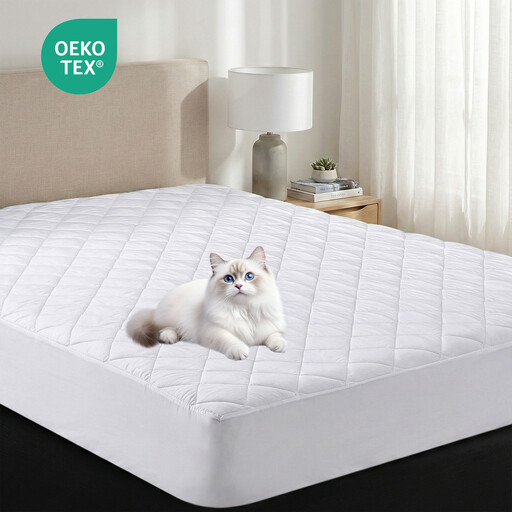
Why It Stands Out: This option focuses on enhancing comfort. The quilted microfibre construction adds a noticeable layer of softness to your mattress, improving your sleep surface while offering protection against general wear and tear.
It is important to note that this protector is not waterproof. It is designed to add comfort and protect against dust and minor scuffs, but it will not stop liquids.
Pros:
Who is it for? Individuals who prioritise adding a layer of softness to their mattress and only need protection from dust and daily wear, not spills. It can also be used on top of a separate waterproof protector.
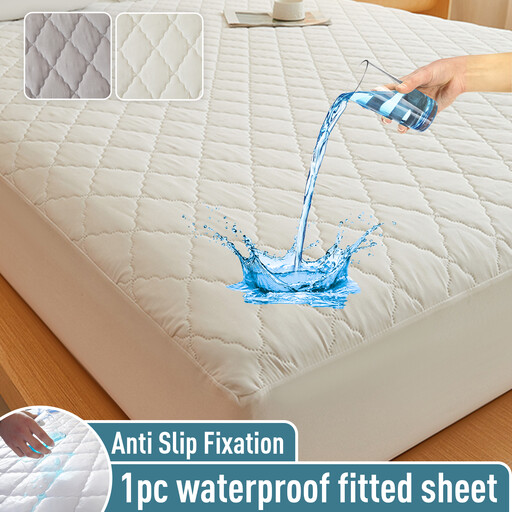
Why It Stands Out: This protector offers a great balance. It combines the soft, comfortable feel of a quilted top layer with an integrated 100% waterproof barrier. You get reliable protection from spills and accidents without the crinkly, plastic feel of basic protectors.
Pros:
Who is it for? Anyone looking for a complete solution that offers both robust waterproofing and a comfortable, quiet sleep surface. It's an excellent all-rounder for adult, guest or older children's beds.
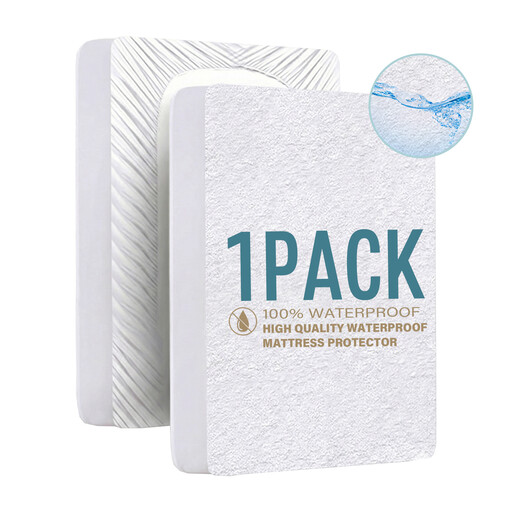
Why It Stands Out: This protector is designed for maximum function with minimal bulk. Its ultra-thin construction means you won't feel it under your fitted sheet, preserving the original feel of your mattress. It uses a fitted style with four additional corner straps for an extra-secure fit that prevents any movement.
Pros:
Who is it for? Those who need reliable, discreet waterproof protection. It's an ideal choice for children's beds, incontinence needs or for anyone who loves the current feel of their mattress and wants pure, unnoticeable protection.
While a mattress protector is essential for safeguarding your mattress, a mattress topper is designed to change its feel, adding a significant layer of cushioning and support. If your primary goal is to make your bed more comfortable, you may want to explore other options.
For a wider selection of products designed to enhance comfort, browse our full range of fitted mattress toppers.
1. Do waterproof mattress protectors make you sweat? Not necessarily. While very basic, cheap plastic sheets can trap heat, modern protectors are designed to be breathable. Materials like polyester with a polyurethane membrane allow air to pass through while blocking larger liquid molecules. Look for products specifically described as a breathable bed protector to ensure a comfortable night's sleep.
2. Can you machine wash a waterproof mattress protector? Yes, almost all modern waterproof protectors are machine washable. However, it's crucial to follow the care instructions. Typically, this means washing with similar colours on a gentle cycle at a low temperature (e.g., 30-40°C) and tumble drying on low heat. High heat can damage the waterproof layer, so avoid it and never use bleach or iron the protector.
3. What is the difference between a mattress protector and a mattress topper? A mattress protector is a thin, protective layer designed to shield your mattress from liquids, stains and allergens. Its main purpose is hygiene and preservation. A mattress topper is a much thicker layer (typically 5-10cm) placed on top of your mattress to change its feel—making it softer, firmer or more supportive. Some people use both: a topper for comfort and a protector over the topper and mattress for protection.