
24/7 Customer Support

Free returns

Same-day & Next-day Delivery

Quality Guaranteed

Unlock Your Welcome Offers: FREE Delivery | Up to 80% OFF | Free 30-day JoyPlus trial
Download the APP
A mattress is a significant investment in your comfort and well-being. Whether it's a morning coffee spill, a child's nighttime accident, or a pet deciding your bed is their new favourite spot, life's little mishaps can lead to permanent stains and damage. A quality waterproof mattress protector acts as an essential shield, preserving your mattress and promoting a more hygienic sleeping environment.
However, with so many options available, choosing the right one can feel overwhelming. This guide is designed to cut through the clutter, helping you understand the key features to look for so you can find a protector that meets your specific needs. We will explore different materials, fitting styles and offer some practical recommendations.
Finding the right mattress cover involves more than just picking the correct size. Here are a few crucial factors to consider to ensure you get reliable protection without sacrificing comfort.
The surface material of a protector directly impacts how it feels to sleep on. The two most common options are cotton and microfibre (polyester), each with distinct advantages.
Regardless of the top material, a breathable mattress protector is key. Look for products with a polyurethane membrane, which blocks liquids but allows air to circulate, preventing you from feeling hot and clammy.
How a protector attaches to your bed affects its stability and ease of use.
To maintain hygiene and product longevity, your protector will need regular cleaning. A machine washable mattress protector is a must for convenience. Always check the care label before washing. Most can be washed on a gentle cycle, but high heat during washing or drying can damage the waterproof barrier. Tumble drying on a low setting or air drying is usually recommended.
Based on features, materials and user-friendliness, here are a few standout options to consider.

Why It Stands Out: This protector combines reliable waterproof functionality with a touch of comfort. The diamond-quilted surface adds a soft, thin layer of padding, while the fully fitted design ensures it stays firmly in place all night long.
Pros:
Who is it for?: Ideal for those who want the security of a fully fitted sheet style and appreciate a little extra softness. This model is shown in a single mattress protector size (90 x 200cm), making it a great option for children's beds or guest rooms.
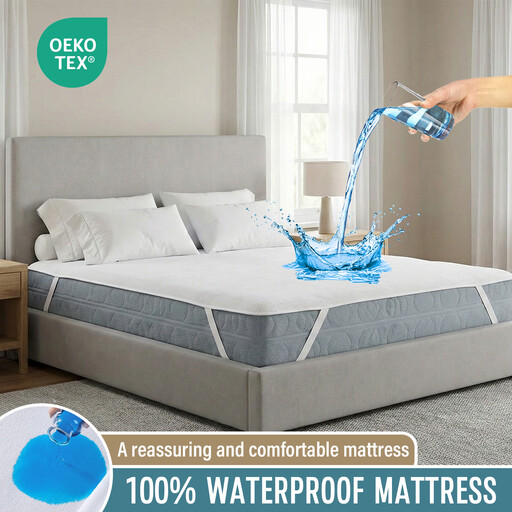
Why It Stands Out: With its ultra-thin profile and simple four-corner strap design, this protector offers effective, no-fuss protection. It is designed to be virtually unnoticeable under your sheets, preserving the original feel of your mattress.
Pros:
Who is it for?: A perfect choice for anyone who prioritises convenience and wants a minimalist, breathable mattress protector that is easy to put on and take off for regular washing.

Why It Stands Out: This protector leverages the natural benefits of cotton. The soft terry cloth surface is highly absorbent and breathable, making it an excellent choice for comfort-conscious users while still providing a 100% waterproof barrier.
Pros:
Who is it for?: Those who prefer natural fibres or have sensitive skin will appreciate the cotton surface. It’s a fantastic all-rounder for any bed in the house.
While these recommendations cover some of the most popular needs, your perfect mattress protector might have different features. If you're searching for other materials, specific sizes or different styles, there are many more choices available.
For a wider selection, explore our full range of Breathable Liners to find the perfect match for your bed.
1. Do waterproof mattress protectors make you sweat? Modern waterproof protectors are designed with breathability in mind. Models that use a polyurethane membrane, combined with a top layer of breathable fabric like cotton or advanced microfibre, allow air to pass through while blocking liquids. This helps prevent the overheating and sweating associated with older, non-breathable vinyl covers.
2. How often should you wash a waterproof mattress protector? For general hygiene, washing your mattress protector every one to two months is a good rule of thumb. However, it should be washed immediately following any spills or accidents. If it's being used as a bedwetting mattress protector or for incontinence, more frequent washing will be necessary to maintain a clean sleeping environment.
3. Can you put a waterproof mattress protector in the dryer? Many are safe for tumble drying, but only on a low heat setting. High temperatures can damage the waterproof layer, causing it to lose its effectiveness. Always check the product's care label for specific instructions. Air drying is always a safe and effective alternative that can help prolong the life of the protector.