
24/7 Customer Support

Free returns

Same-day & Next-day Delivery

Quality Guaranteed

Unlock Your Welcome Offers: FREE Delivery | Up to 80% OFF | Free 30-day JoyPlus trial
Download the APP
Riding in the UK means accepting that the weather can turn at a moment's notice. There are few things more frustrating for a rider than arriving at a destination, whether it's the office or a scenic viewpoint, only to find your essentials soaked through. A standard backpack or bungee-corded bag simply won't cut it against a proper British downpour. This is where a dedicated waterproof motorcycle tail bag becomes an essential piece of kit.
This guide is designed to help you navigate the options and find a reliable motorcycle dry bag that suits your specific needs, from daily commuting to long-distance touring. We will look at key features to consider and highlight a few standout options to protect your gear, whatever the weather.
Selecting the right bag involves more than just picking the largest one. Here are a few practical points to consider before you buy.
The effectiveness of a waterproof bag hinges on its material. The two most common options are TPU (Thermoplastic Polyurethane) and PVC (Polyvinyl Chloride).
Look for bags with high-frequency welded seams instead of traditional stitching. This process fuses the material together, creating a completely waterproof bond that won't leak over time.
The most reliable sealing mechanism for a motorcycle dry bag is the roll top closure. By rolling the top edge down several times and securing it with buckles, you create a watertight seal that prevents rain from getting in, even when riding at speed. This design is simple, effective and has become the standard for quality waterproof motorcycle luggage. Some bags also feature air valves, which allow you to compress the bag and reduce its volume after sealing.
Consider what you need to carry. A smaller 20-litre bag is often perfect for a daily commute, holding a laptop, lunch and waterproofs. For a weekend trip or a longer tour, a 50-litre or larger motorcycle duffle bag will be necessary to accommodate clothing and other gear.
Most tail bags are designed as universal motorcycle luggage, using adjustable straps to secure to a pillion seat or rear luggage rack. Always check the strap system and ensure it's compatible with your bike's anchor points for a secure fit.
Here are a few options that offer reliable performance and practical features for different types of riders.
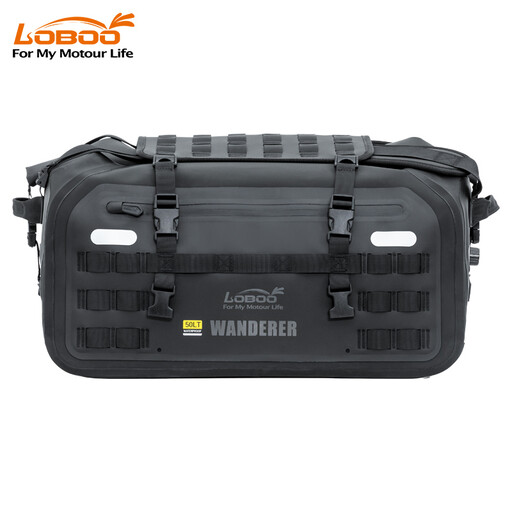
Why It Stands Out: The Wanderer 50L strikes an excellent balance between capacity and manageability. Its heavy-duty TPU construction offers superior durability and weather resistance, making it a dependable motorcycle touring bag. The inclusion of backpack straps adds a layer of off-bike convenience.
Pros:
Who is it for? The weekend tourer or long-distance commuter who needs a robust, spacious and versatile bag that can handle demanding conditions.
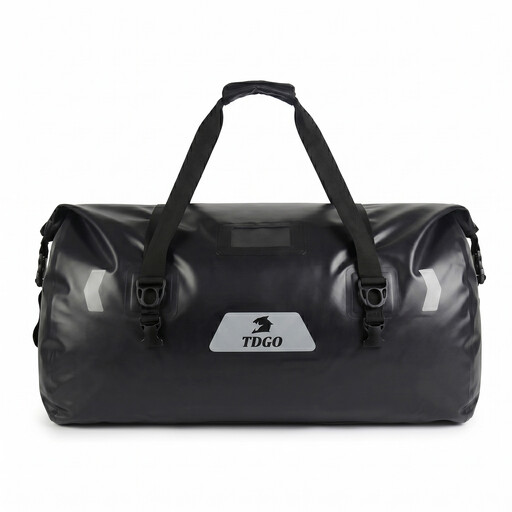
Why It Stands Out: When maximum storage is the priority, this 86-litre bag delivers. Its tough PVC construction and massive volume make it suitable for extended adventures where you need to carry everything from camping gear to extra riding kit.
Pros:
Who is it for? The adventure rider or long-haul tourer who needs to maximise their carrying capacity without compromising on weather protection.
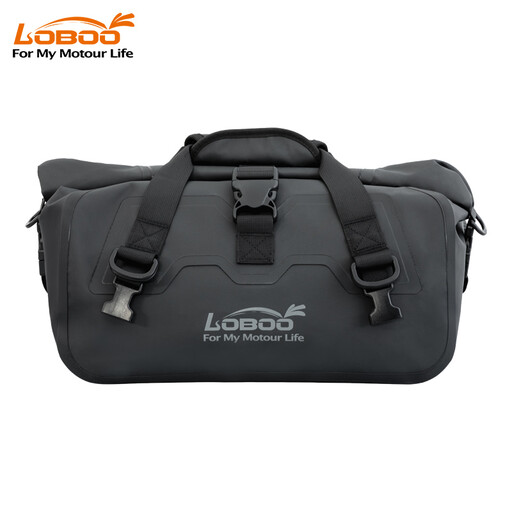
Why It Stands Out: This bag prioritises convenience for the daily rider. The magnetic base allows for incredibly fast mounting and removal on any steel rear rack or seat, making it an ideal pillion seat bag for quick trips. The IPX6 waterproof rating ensures your belongings stay dry in heavy rain.
Pros:
Who is it for? The daily commuter or urban rider who values speed and convenience and needs a reliable bag for their work commute or short journeys.
If these specific sizes or styles aren't quite what you're looking for, there are many other configurations available. To see a wider variety of waterproof luggage, you can explore our full collection of roll top bags.
1. How do you properly seal a roll top motorcycle bag? To ensure a fully waterproof seal, place your items inside, press out any excess air and firmly roll the top edge down at least three to four times. Then, securely fasten the buckles on each side. This creates a barrier that water cannot penetrate.
2. Can I use a waterproof tail bag on any motorcycle? Most tail bags are designed for universal fitment using adjustable straps that can attach to a rear luggage rack or loop under the pillion seat. However, it's always wise to check your bike's available mounting points (e.g., frame, footpeg hangers) to ensure a secure fit. For magnetic bags, you must have a steel (not aluminium or plastic) surface for them to attach to.
3. What is the difference between 'waterproof' and 'water-resistant'? 'Water-resistant' luggage can handle light showers or splashes but will likely let water in during sustained or heavy rain. 'Waterproof' luggage, typically made with materials like PVC or TPU and featuring welded seams and a roll-top closure, is designed to keep its contents completely dry even in a torrential downpour. For UK riding, choosing a fully waterproof option is highly recommended.