
24/7 全天候客户支持

免费退货

当日/次日达

品质保障

开启新人专享福利: 全场免邮 | 低至 2 折 | 免费试用 30 天 JoyPlus 会员
下载 Joybuy
Rain, spray, mud and accidental drops can quickly turn outdoor equipment into an expensive liability. Whether you are riding across the UK, hiking in the Lake District, spending a weekend at the coast or kayaking on a loch, choosing suitable waterproof outdoor adventure gear involves more than looking for the word “waterproof” on a product page.
The main risks are often hidden in the details:
The following checks can help you compare products more sensibly before buying.
An IP rating describes protection against solid particles and water under defined test conditions. For example, the motorbike crash bar bags listed here have an IPX7 waterproof rating, which is a specification associated with temporary immersion conditions. It should not automatically be interpreted as suitable for every depth, duration or type of water exposure.
A waterproof phone bag or inflatable waterproof phone pouch should be sealed exactly as instructed. Before placing a valuable phone inside, put a dry tissue in the pouch, close it securely and submerge it for 10–30 minutes. If the tissue remains dry, repeat the check periodically because seals and materials can wear.
For motorbike luggage, consider whether you need a soft storage bag, impact cushioning or both. The LOBOO crash bar bag options list 300 kg passive protection as a product specification. The inflatable version adds an air-filled structure, while the non-inflatable version provides a simpler format without requiring inflation.
For camping, fabric denier, stitching, pole design and hydrostatic water-resistance figures are more useful than general phrases such as “all-weather”. The VXOYO tent uses 210T polyester and lists a water-resistance index of up to 3,000 mm. This is a material specification, not a promise that the tent is suitable for every storm or campsite condition.
A waterproof phone case with lanyard should leave enough room for your phone while allowing the closure to seal properly. Touchscreen response may be reduced underwater, so physical camera buttons can be more practical during swimming, kayaking or snorkelling.
Motorbike luggage must also be checked against your crash bar layout, available clearance and fastening points. For camping, compare packed dimensions and weight as well as sleeping capacity. A quick-deploy tent may save setup time, but it still needs correct pegging and positioning, particularly in exposed UK weather.
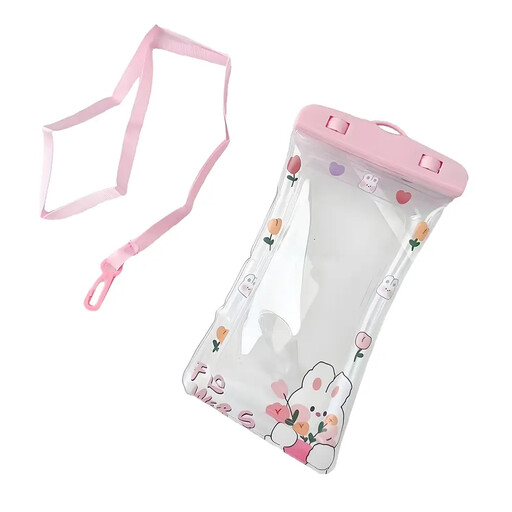
Why This Fits Their Persona: A practical option for occasional beach visits, rainy walks, swimming trips and campsite use where compact phone protection is more important than specialist diving equipment.
Its instructions clearly require a tissue test, careful sealing and avoidance of sharp objects and temperatures above 40°C, helping set realistic expectations about water protection.
Inflatable format, included lanyard and protection against water, sand, dust and snow during recreational outdoor activities.
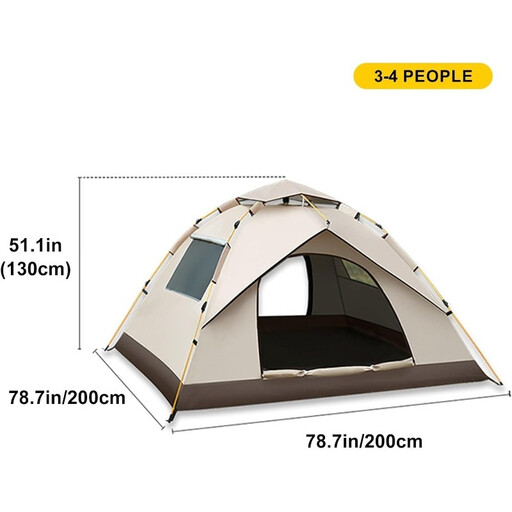
Why This Fits Their Persona: Suitable for campers who value quick setup, two-door access and a structured shelter for weekend trips, festivals or family outings in changeable UK conditions.
The listed packed size, 3 kg weight, two-layer construction and 3,000 mm water-resistance index make the purchase easier to assess than a vague “waterproof” claim.
Automatic pop-up structure, two doors, two windows, detachable outer layer and silver-coated 190T polyester construction.
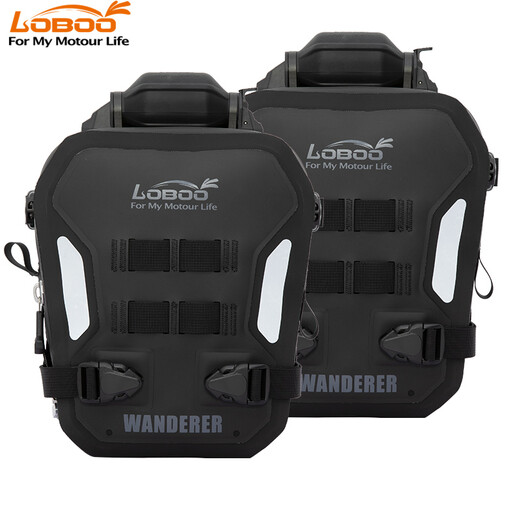
Why This Fits Their Persona: Designed for motorcyclists who need accessible storage on longer rides and want a crash bar bag format rather than relying only on tail packs or panniers.
The listing identifies both an IPX7 rating and a 300 kg passive-protection specification, giving riders concrete points to compare with other waterproof motorbike luggage.
Inflatable protective construction, IPX7 waterproof specification and crash bar mounting format for motorbike trips.
Even suitable waterproof camping equipment needs maintenance. Rinse phone pouches with fresh water after saltwater or chlorinated-water use, then dry them completely before storage. Keep closures free from sand and inspect for small punctures or distortion.
For a motorbike crash bar bag, check straps and mounting points before each ride. Do not overload the bag beyond its stated capacity and confirm that it does not interfere with steering, suspension movement, lights or controls.
An instant pop-up tent should be pegged correctly rather than relying on its automatic opening system alone. Ventilate the interior to reduce condensation, dry the tent before long-term storage and inspect the groundsheet after each trip.
A waterproof phone bag can be suitable for recreational activities when it is correctly sealed and tested first. It is not automatically suitable for extended deep diving. Touchscreen operation may also be reduced underwater, so use physical buttons where possible.
Test it before first use and periodically thereafter, particularly if it has been exposed to sand, saltwater, chlorine, sharp objects or repeated folding. A dry-tissue submersion test can reveal a sealing problem before your phone is placed inside.
An inflatable or automatic pop-up tent generally reduces setup effort, but it still requires correct pegging, ventilation and drying after use. Its ongoing requirements are mainly routine cleaning, checking the fabric and storing it completely dry to reduce the risk of odour or material deterioration.