
24/7 全天候客户支持

免费退货

当日/次日达

品质保障

开启新人专享福利: 全场免邮 | 低至 2 折 | 免费试用 30 天 JoyPlus 会员
下载 Joybuy
A waterproof outdoor bag can be useful for hiking, cycling, camping, commuting and water sports, but product descriptions do not always explain how much protection a bag provides. A pack that handles light rain may not be suitable for kayaking, while a fully sealed dry bag may be inconvenient for a short city journey.
The main challenge is matching the bag to the conditions, load and access you actually need. Before buying, check the closure, fabric, stated water resistance and capacity rather than relying on a product title alone.
Terms such as “water-repellent”, “weather-resistant” and “waterproof” can describe different levels of protection. A coated fabric may shed rain and withstand splashes, but seams, zips and openings can still allow water through. Unless the product gives a clear immersion rating or sealing specification, treat it as suitable for rain and splashes rather than prolonged submersion.
A 10L bag may sound spacious, but roll-top closures, internal compartments and the shape of the load affect usable space. Conversely, an oversized backpack can encourage overpacking and become uncomfortable on a long walk. Consider what you carry daily: a jacket, snacks and a water bottle need a different format from spare clothing and camping equipment.
A roll-top dry sack needs to be rolled and secured correctly to create a weather-resistant seal. A drawstring bag offers faster access but may not provide the same level of protection. For cycling or hiking, shoulder straps, chest straps and compression points can be more important than extra pockets, particularly if the contents may bounce around during movement.
Roll-top dry sacks are practical for organising clothing, food or electronics inside a larger rucksack. Look for a closure that can be rolled several times and secured with a buckle or compression strap. The more frequently you open the bag, the more useful a simple, reliable closure becomes.
For water sports, check whether the manufacturer specifies submersion suitability. If no such information is provided, use the bag for rain, spray and accidental splashes only. Keep valuables in an additional sealed pouch when conditions are uncertain.
Abrasion-resistant fabric is useful when a bag is placed on rough ground or carried against outdoor equipment. A water-repellent coating helps droplets run off the surface, but its performance can reduce with wear, dirt or unsuitable cleaning products.
Check whether the product uses taped or welded seams if you need stronger water protection. For everyday outdoor bags for hiking and travel, a coated fabric with covered zips may provide a sensible balance between protection, weight and convenience.
Capacity should match the activity:
Lightweight construction can reduce fatigue, but very thin materials may offer less abrasion resistance. A foldable daypack is convenient as a spare bag for travel, while a structured backpack may be more comfortable when carrying heavier items.

Why This Fits Their Persona: A compact option for UK commuters, festival visitors and short walks where only daily essentials are needed.
Its stated capacity expands from 1.2L to 3.6L, helping avoid paying for a larger bag that is rarely filled. The fabric is described as water, oil and stain resistant, rather than a substitute for a sealed dry bag.
98g weight; drawstring access; twin expansion system; inner compartments for small items.
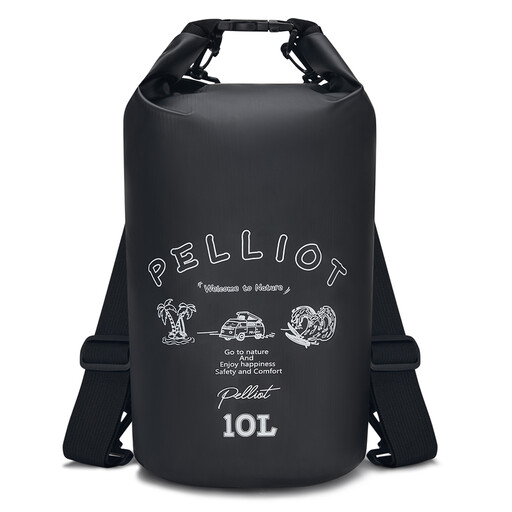
Why This Fits Their Persona: Suitable for users wanting a compact backpack format for hiking, cycling, commuting and travel, with a neutral colour and organised storage.
The listed roll-top and compression straps allow the load to be adjusted, while the product description specifies protection from light rain and splashes instead of implying unlimited water exposure.
10L capacity; approximately 200g; packable design; abrasion-resistant fabric; emergency whistle.
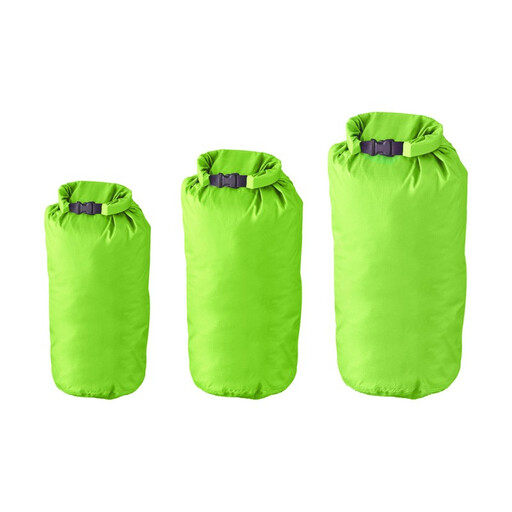
Why This Fits Their Persona: A practical match for campers, hikers and travellers who need to separate different items inside a rucksack or camping storage system.
Three sizes reduce the need to force a small bag beyond its intended use. The instructions also state that the roll top must be secured tightly and the bags should not be overloaded.
Includes 2L, 4L and 8L bags; roll-top compression; lightweight construction; suitable for clothing, food and gear.
A pop-up camping tent can complement waterproof camping gear, but a rainproof tent does not replace sealed storage for phones, documents or spare clothing. Keep each item’s stated protection level in mind.
Empty bags after each trip and wipe coated fabrics with a damp cloth. Use mild soap for spot cleaning where permitted, then allow the bag to air dry fully. Avoid machine washing, tumble drying, harsh chemicals and excessive heat when the care instructions prohibit them. Inspect buckles, zips, seams and roll-top sections before trips, particularly after carrying sharp-edged equipment.
We have compiled a complete, real-time list of products that fully satisfy these strict selection criteria and UK safety regulations.
Some are designed for rain and splashes, but protection depends on the fabric, seams and closure. A bag described as water-repellent or weather-resistant should not automatically be treated as fully waterproof. Secure roll-top closures carefully and use an inner pouch for sensitive items.
Lifespan depends on frequency of use, abrasion, sunlight, cleaning and how heavily the bag is loaded. Regularly check the coating, seams and buckles. Storing the bag clean and completely dry can help prevent avoidable deterioration.
They generally need simple cleaning rather than specialist treatment. Follow the supplied care instructions, avoid harsh detergents and dry the bag naturally. If the surface no longer repels droplets, check the manufacturer’s guidance before applying any reproofing product.