
24/7 Customer Support

Free returns

Same-day & Next-day Delivery

Quality Guaranteed

Unlock Your Welcome Offers: FREE Delivery | Up to 80% OFF | Free 30-day JoyPlus trial
Download the APP
A waterproof outdoor jacket can look suitable on a product page yet disappoint during a wet commute, exposed hill walk or windy campsite. The main issue is that headline claims often say little about how the jacket performs in practical use.
Before buying, watch for three common traps:
For UK conditions, versatility matters. A suitable shell should handle rain and wind without becoming uncomfortable during activity, while remaining practical for travel, everyday commuting and outdoor trips.
A waterproof hardshell jacket normally uses a coated or laminated outer fabric designed to prevent rain passing through. However, water can still enter through stitching, pockets and zips if these areas are not protected.
Before selecting a jacket, check for:
The EN 343 standard is used for protective clothing against rain and includes separate performance classifications for waterproofness and breathability. Not every outdoor jacket is certified to this standard, so do not assume certification unless it is clearly stated in the listing.
A breathable hardshell jacket is intended to allow moisture vapour from perspiration to escape. Breathability is commonly expressed using metrics such as MVTR or RET, but sellers do not always provide these figures.
When technical measurements are missing, practical features become more important. Look for:
For hiking, trekking and skiing, ventilation can be as important as waterproofing. A windproof hiking jacket that traps heat may leave you damp inside, even when the outside remains dry.
A durable trekking jacket should allow free movement without hanging excessively loose. Compare your body measurements with the garment’s own chart rather than relying only on your usual high-street size.
Pay particular attention to:
Avoid fabric softener unless the manufacturer specifically permits it, as it may affect technical finishes. Close zips and hook-and-loop fasteners before washing, and air-dry the garment according to the care instructions.
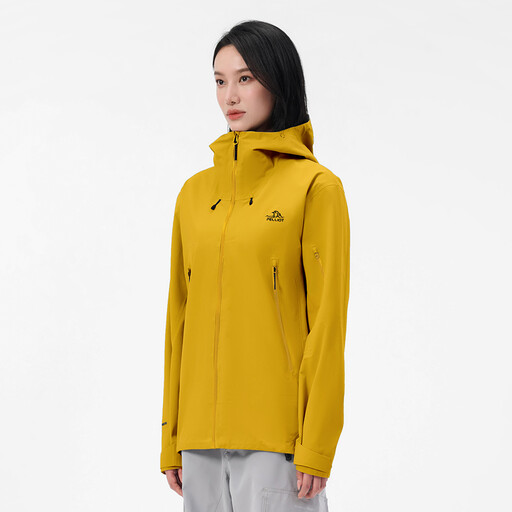
Why This Fits Their Persona: A practical unisex shell for buyers wanting one jacket for camping, travel, daily commuting and occasional outdoor activities. The XL garment has a listed 124 cm bust measurement and 77 cm length, so check the size chart carefully before ordering.
Its description includes extended underarm zips, wind-resistant construction and abrasion-resistant fabric, addressing the common problem of a shell becoming hot or vulnerable during active use.
Light, elastic outer fabric; breathable mesh lining; sleeve pocket; RECCO avalanche rescue reflector.
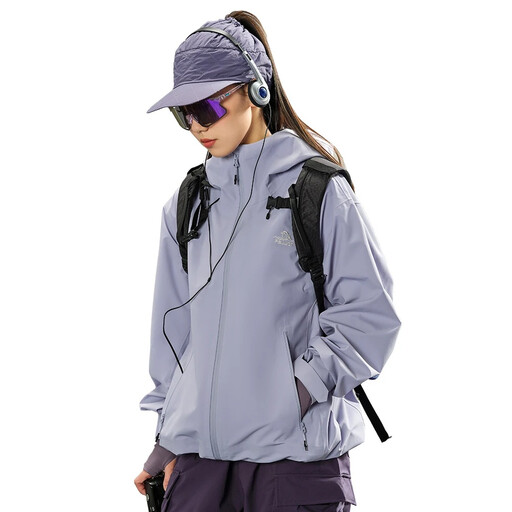
Why This Fits Their Persona: Suitable for shoppers seeking a more technical all-weather shell for mountain trekking, water sports, commuting and trail-to-street wear. The listed L measurements are 120 cm chest, 76 cm length and 65 cm sleeve length.
The listing identifies a waterproof laminate, moisture-management lining and abrasion-resistant fabric, giving buyers more construction information than a simple “rainproof” label.
Recycled content is stated for the shell fabric; utility fit; designed for city and mountain use.
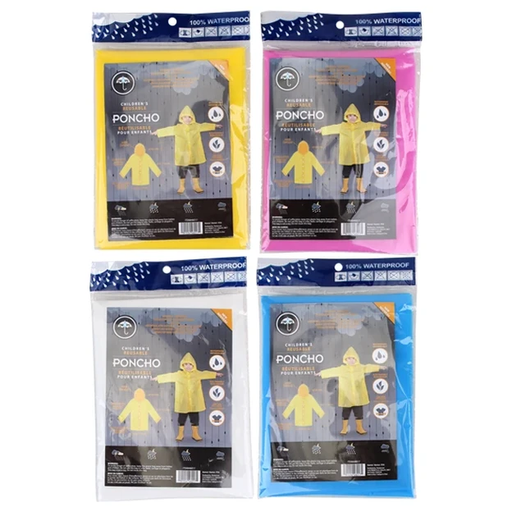
Why This Fits Their Persona: A separate family-use option for adults who need a simple rain layer for children during school journeys, festivals, camping trips or wet-weather travel. Check the available child sizing and product details before purchase.
A poncho-style rain layer avoids the restrictive fit that can occur when a child wears a jacket over school or outdoor clothing, although it is not a substitute for an adult technical shell.
Poncho format; designed for children; useful as a compact additional rain layer for family outings.
For day hiking and commuting, prioritise a manageable weight, adjustable hood, secure pockets and underarm ventilation. A bright colour can also improve visibility in dull weather, although it does not replace high-visibility workwear where that is required.
For camping and trekking, look for a longer cut, abrasion-resistant fabric and enough space for a fleece. A waterproof camping jacket should also pack reasonably easily without damaging its membrane or coating.
For skiing and mountain trips, check cuff compatibility with gloves, hood space over a helmet and pocket placement. An outdoor jacket with RECCO reflector may offer an additional locating feature in supported mountain-rescue environments, but it does not replace route planning, weather checks or appropriate safety equipment.
For water sports, consider how the cuffs, hem and zip openings interact with movement and spray. For everyday travel, a less technical-looking all-weather shell may be easier to wear regularly, provided its protection and fit suit your journeys.
We have compiled a complete, real-time list of products that fully satisfy these strict selection criteria and UK safety regulations.
Yes, if the fit, hood adjustment and pocket layout work for your route. For cycling or walking, also check sleeve coverage and whether the hem moves comfortably when seated. A technical shell may provide more weather protection than a casual raincoat, but it can feel warmer during low-intensity travel if ventilation is limited.
Lifespan depends on frequency of use, abrasion, washing and storage. Avoid tumble-drying or high heat when the care label prohibits it, and clean mud or salt promptly. If rain begins to soak into the outer fabric rather than beading, the durable water-repellent finish may need care or renewal; this does not necessarily mean the inner waterproof layer has failed.
Breathability describes moisture vapour movement, not guaranteed dryness in every condition. High humidity, strenuous activity and multiple clothing layers can reduce how quickly sweat escapes. Underarm vents, breathable lining and suitable base layers can help manage moisture during demanding walks.