
24/7 Customer Support

Free returns

Same-day & Next-day Delivery

Quality Guaranteed

Unlock Your Welcome Offers: FREE Delivery | Up to 80% OFF | Free 30-day JoyPlus trial
Download the APP
A waterproof phone pouch can protect a smartphone from splashes, sand and accidental drops in the water. However, product listings often use terms such as “waterproof”, “floating” and “IPX8” without explaining the limits behind them. Choosing purely by colour or price can leave you with a pouch that is difficult to use, poorly sealed or unsuitable for your activity.
This guide explains the practical details to check before buying a waterproof phone bag, followed by recommendations matched to different UK lifestyles.
A water-resistant laptop backpack or ordinary phone case may cope with light rain, but it is not designed for swimming or submersion. A proper waterproof phone pouch should have a sealed opening and clear usage instructions.
Also check the intended conditions. A pouch designed for a poolside splash may not be suitable for pressure, sharp rocks or extended underwater use. A waterproof mobile phone holder with a lanyard can reduce the chance of dropping your device, but it cannot compensate for an incorrectly closed seal.
An IPX8 waterproof phone pouch is designed for immersion under conditions specified by the manufacturer. The rating does not mean every IPX8 product can be used at the same depth, for the same duration or in every water-sports situation.
For example, the White Label 2-in-1 pouch listing states that it is IPX8 rated and can be submerged at 10 metres for up to 30 minutes under its stated test conditions. Treat this as product-specific information, not a general rule for all pouches. Always read the supplied instructions and inspect the closure before use.
Clear windows may allow normal screen use above water, but touch responsiveness can decrease underwater because of water pressure, wet fingers and the pouch material. If you plan to take photographs while swimming or kayaking, start recording before submerging or use your phone’s physical buttons where possible.
A double-lock, zip-lock or fold-over closure can help prevent water ingress, but the design is only effective when fully closed. Before putting your phone inside, carry out a simple test:
Repeat the test periodically, particularly after heavy use, visible wear or storage over winter. Do not use a pouch with a split seam, damaged window or stiff, contaminated seal.
A universal smartphone waterproof pouch may fit many current phones, but check the maximum screen size and allow room for your phone case if you intend to keep it fitted. The White Label 2-in-1 models are listed for most smartphones up to 6.7 inches.
A tight fit can place pressure on the seal, while excessive space may make the phone move around. Compare the pouch’s usable internal dimensions with your phone, including any protective cover.
A floating phone pouch can make retrieval easier if dropped in a pool, lake or calm sea. Buoyancy does not prevent the phone from being carried away by waves or current, so a secure lanyard remains useful.
For a phone pouch for beach holidays, look for protection against sand as well as water. After exposure to seawater or chlorinated water, rinse the pouch with fresh water and let it dry fully before storage. Avoid sharp objects and high temperatures; some listed inflatable models specify avoiding environments above 40°C.
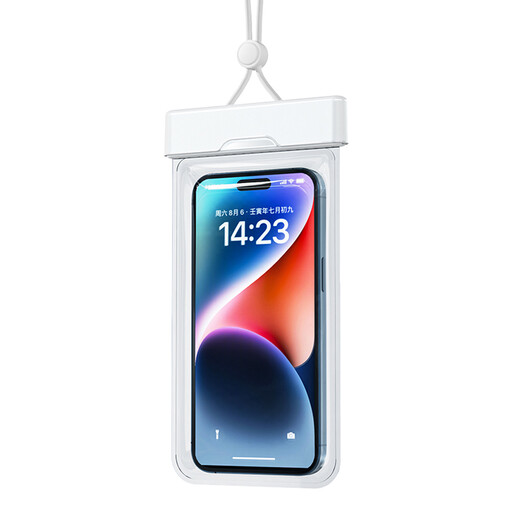
Why This Fits Their Persona: A straightforward choice for occasional swimming, rainy-day walks, UK beach trips and first-time users who want basic phone protection without carrying a bulky case.
The listing clearly advises a dry-tissue waterproof test, careful sealing and fresh-water rinsing after saltwater or chlorine exposure.
Protects against water, sand, dust and snow when correctly used; includes touchscreen-compatible material and a lanyard.
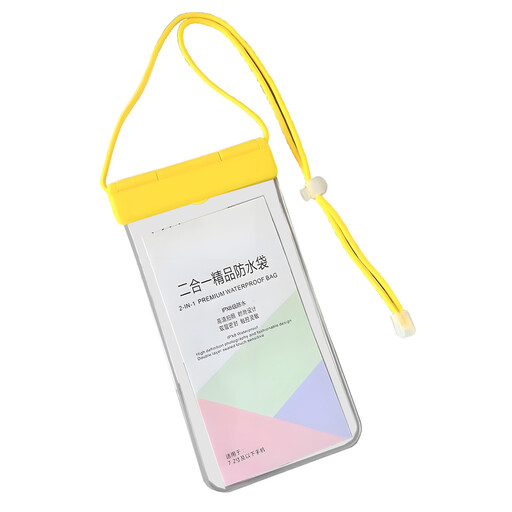
Why This Fits Their Persona: Suitable for travellers and active users who want a pouch that can be carried around daily as well as used for swimming, boating and beach activities.
Its listing specifies an IPX8 rating, double-lock closure and a maximum phone size of 6.7 inches, giving buyers clearer criteria to compare.
Listed with a transparent touchscreen window, detachable lanyard and floatable design; bright yellow is easier to spot outdoors.
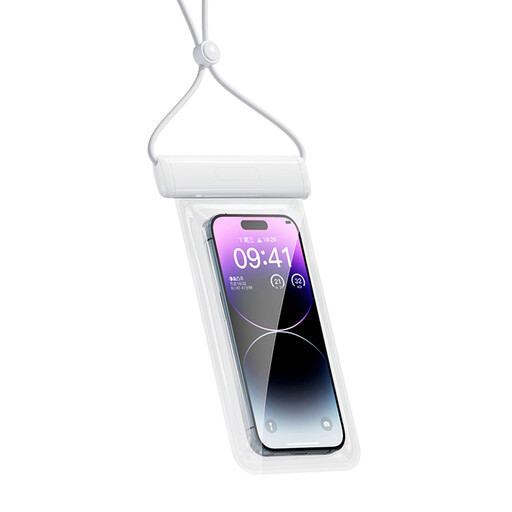
Why This Fits Their Persona: A practical option for frequent kayaking, fishing, boating, water-park visits and outdoor trips where the pouch may face repeated wet and dusty conditions.
The product information stresses testing with a dry tissue, checking seals before each use and avoiding sharp objects and unsuitable pressure.
The model name identifies a 50m waterproof pouch; it also includes guidance for underwater operation and a fresh-water rinse after use.
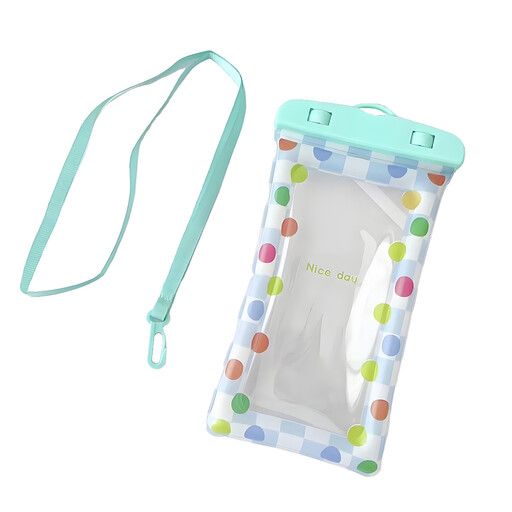
Why This Fits Their Persona: A useful match for pool days, beach holidays, snorkelling and family outings where visibility and easy carrying matter.
The instructions set realistic boundaries: test for 10–30 minutes, avoid sharp objects and temperatures above 40°C, and do not use it for extended deep diving.
Inflatable construction is intended to help keep the pouch visible on water; it protects against water, sand, snow and dust when correctly sealed.
We have compiled a complete, real-time list of products that fully satisfy these strict selection criteria and UK safety regulations.
You can use a pouch for recreational swimming when its instructions permit immersion and it passes a pre-use tissue test. Touch controls may work less reliably underwater, so prepare the camera beforehand. Avoid treating a general phone pouch as diving equipment.
There is no universal lifespan. Durability depends on sealing cycles, exposure to chlorine or saltwater, heat, abrasion and storage. Regularly inspect the closure and carry out repeat dry-tissue tests. Replace the pouch when its material or seal shows damage.
For many travellers, it is a relatively simple way to reduce exposure to sea spray, sand, rain and accidental drops. Select the size carefully, use the lanyard securely and rinse the pouch after use. A pouch is protective equipment for the phone, not a substitute for careful handling or device insurance.