
24/7 Customer Support

Free returns

Same-day & Next-day Delivery

Quality Guaranteed

Unlock Your Welcome Offers: FREE Delivery | Up to 80% OFF | Free 30-day JoyPlus trial
Download the APP
A splash by the pool, an unexpected downpour on a hike or a day out on the kayak—our phones are now companions in adventures where water is an ever-present risk. A good waterproof phone pouch seems like a simple solution, but the market is flooded with options that often fail to deliver on their promises. Choosing the wrong one doesn't just mean a wasted tenner; it can lead to the demise of a device worth hundreds of pounds.
As a Joybuy Product Recommendation Officer, my role is to help you navigate these choices. We'll look past the marketing buzz and focus on the practical features that genuinely keep your phone safe and dry. Let's break down the common pitfalls to avoid and the essential features to look for.
Many shoppers are caught out by a few recurring issues. Being aware of them is the first step to making a smart purchase.
waterproof phone bag useless from the start.phone pouch for swimming requires a far more robust design than one meant for jogging in the rain.To avoid the traps, focus your attention on these three non-negotiable parameters.
Forget everything else until you have assessed the seal. The mechanism is what stands between water and your phone.
underwater phone case.The pouch's body is just as important as its seal.
kayaking phone protector.A proper fit ensures both safety and usability.
Based on these practical criteria, here are a few options from our catalogue matched to different user needs.
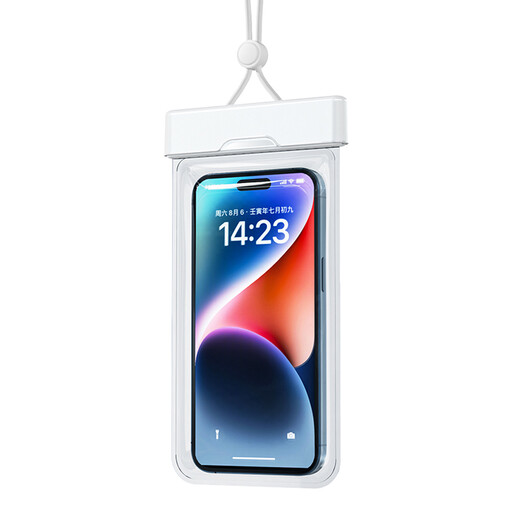
Why This Fits Their Persona: Ideal for the person who needs reliable protection from sand, splashes and accidental dunks at the beach or pool. It's a straightforward, no-fuss waterproof phone holder for the beach that does the job without unnecessary complexity.
It moves beyond a simple zip-lock with a more secure sealing mechanism. The product description's strong emphasis on performing a pre-use tissue test encourages responsible use, preventing failures from overlooking a faulty seal.
Features a clear, touch-sensitive window for easy operation above water and includes a secure lanyard to keep your phone close. Its simple design is effective for common holiday scenarios.
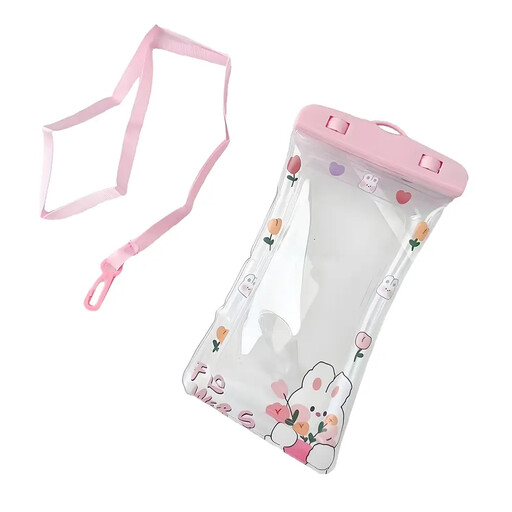
Why This Fits Their Persona: For anyone on a kayak, boat or paddleboard, dropping a phone means it's gone forever. This pouch's inflatable design ensures it floats, making it easy to retrieve. It provides peace of mind that goes beyond just water resistance.
It directly solves a problem most standard pouches ignore: sinking. The buoyant design is a functional feature, not a gimmick, and the air-filled border also adds a valuable layer of impact protection against hard surfaces.
Buoyancy. The ability to float is its standout feature. It also features a secure locking mechanism suitable for active use and comes with a reliable lanyard.
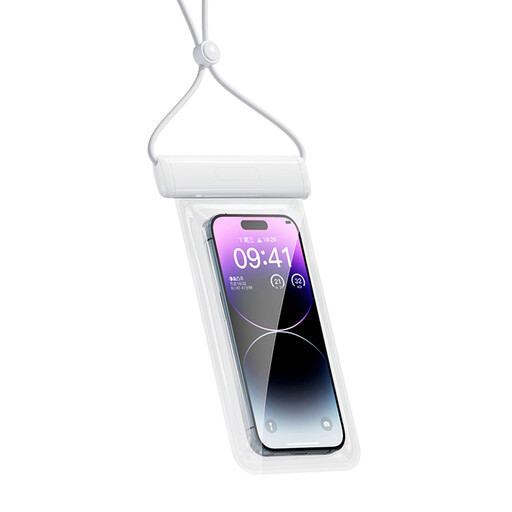
Why This Fits Their Persona: For hikers, campers and snorkelers who need a phone dry bag that can handle more than just a splash. This pouch is built with more demanding conditions in mind, offering protection against prolonged rain, dust on the trail and shallow submersion.
It counters the vague "waterproof" claim by being positioned for more intense activities. The design implies a higher level of water resistance, moving beyond basic splash-proofing to something suitable for more consistent exposure to the elements.
Offers a robust build intended for recreational submersion and all-weather use. It provides comprehensive protection not just from water, but also from sand, dust and snow.
We have compiled a complete, real-time list of products that fully satisfy these strict selection criteria and UK safety regulations.
Before trusting it with your phone, always perform a simple but crucial safety check. Place a dry piece of tissue or paper towel inside the pouch, seal it according to the manufacturer's instructions and submerge it completely in a sink or bucket of water for at least 15-30 minutes. Remove the pouch, dry the outside thoroughly and then open it. If the tissue inside is perfectly dry, the pouch is ready for use.
Generally, no. Capacitive touchscreens, used on all modern smartphones, work by sensing the electrical conductivity of your skin. Water disrupts this, so the screen will not respond to taps and swipes when submerged. The clear window allows for full use above water, but for underwater photography, you should plan to use your phone's physical volume buttons to take pictures or to start/stop video recording.
A high-quality, clean pouch should have a minimal effect on photo quality. The main culprits for blurry images are smudges, scratches or condensation on the pouch's clear window. To ensure clear shots, always wipe the window clean before use and make sure no moisture is trapped inside when you seal it. Over time, scratches on the plastic can degrade image quality.