
24/7 Customer Support

Free returns

Same-day & Next-day Delivery

Quality Guaranteed

Unlock Your Welcome Offers: FREE Delivery | Up to 80% OFF | Free 30-day JoyPlus trial
Download the APP
A reliable waterproof phone pouch is an essential bit of kit for anyone enjoying the UK's beautiful coastlines, rivers or unpredictable festival weather. Whether you're kayaking in the Lake District, heading to a beach in Cornwall or just trying to survive a downpour at a summer festival, keeping your smartphone safe and dry is a top priority.
However, the market is flooded with options, and not all are created equal. Before you add any pouch to your basket, it's worth understanding a few common issues that can lead to disappointment and, in the worst case, a water-damaged phone.
Many pouches fail to deliver on their promises due to overlooked design flaws. Here are three key problems to watch out for.
A product labelled "waterproof" can mean anything from splash-resistant to fully submersible. Many buyers are caught out by pouches that are only designed to handle light rain, not a swim at the beach. Without a specific, verifiable rating, the term is just marketing noise.
The locking mechanism is the most critical component of any phone dry bag. Many affordable options use a simple, press-to-seal closure that can easily pop open, wear out quickly or fail to create a complete seal. A weak lock renders the entire product useless.
What good is a waterproof phone holder for swimming if you can't use your phone's camera? Some pouches use thick, unresponsive plastic for the clear window, making it nearly impossible to operate the touchscreen, especially once submerged. This can be particularly frustrating when you're trying to capture that perfect underwater shot.
To make a smart purchase, focus on the specifications that directly impact performance and reliability. Here are the non-negotiable features to check.
The Ingress Protection (IP) rating is an international standard that defines how well a device is sealed against dirt and moisture. For a phone pouch, the second digit is what counts.
Always check for a specific IPX8 rating rather than a generic "waterproof" claim.
A secure seal is paramount. Look for pouches with a robust, multi-stage locking system. The most reliable designs often feature a combination of a zip-lock seal followed by a fold-over top secured with sturdy plastic clamps. This dual system provides redundancy and a much more dependable barrier against water ingress.
The material of the pouch affects both durability and function. A good underwater phone case should be made from a durable yet flexible material that resists punctures. The clear window should be thin enough to allow for good touchscreen sensitivity above water.
For extra peace of mind during water activities, consider a floating phone pouch. These pouches are designed with air pockets that allow them to float on the surface, making retrieval easy if you accidentally drop your phone in the water.
To help you choose, we've matched some products to common user needs, focusing on how they address the pitfalls we've discussed.
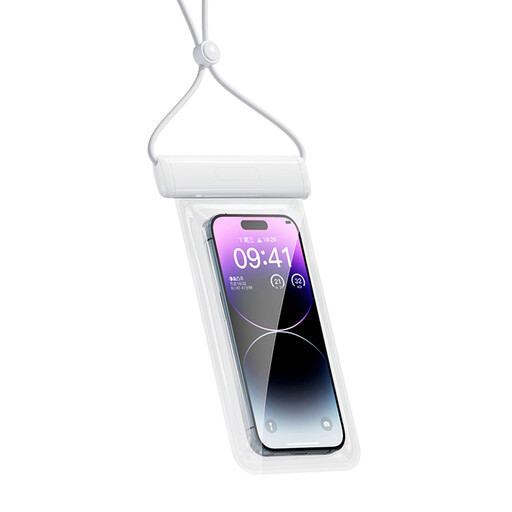
Why This Fits Their Persona: This is a straightforward and practical beach phone protector for those who need reliable protection from sand, splashes and a quick dip. It's a no-fuss solution for a typical UK family holiday by the sea.
It avoids the pitfall of seal failure by providing clear instructions that empower the user. The emphasis on performing a pre-use tissue test encourages diligence and ensures you confirm the seal is secure before trusting it with your phone.
Provides dependable protection against water, sand and dust for general recreational use. Its universal design fits a wide range of phones.
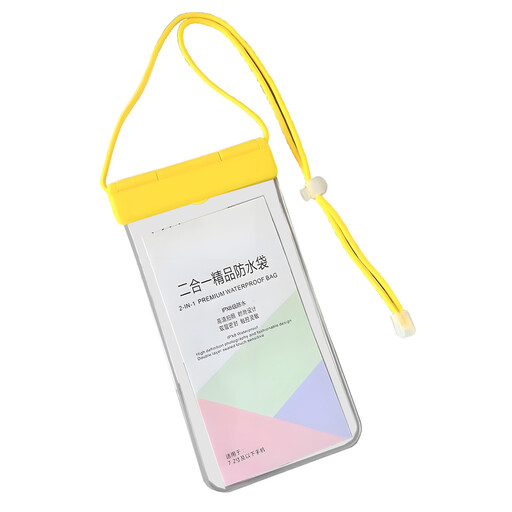
Why This Fits Their Persona: Ideal for kayakers, swimmers and paddleboarders. The bright yellow colour is highly visible, and its ability to float is a critical feature for anyone active on open water where a dropped phone could be lost forever.
It directly counters the "misleading label" trap with a clear IPX8 rating. The floatable design also solves the unstated risk of losing a non-buoyant pouch to the depths. Its double-lock seal addresses the flimsy mechanism concern.
The floatable design and high-visibility colour provide excellent peace of mind. It also features a secure double-lock seal for reliable water protection.
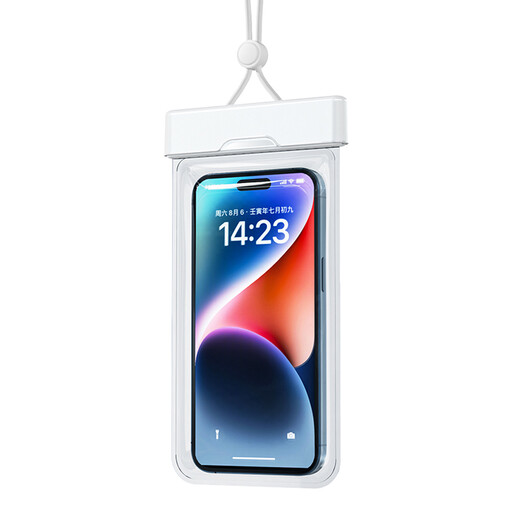
Why This Fits Their Persona: This is a great universal waterproof phone case for hikers, campers and skiers who need protection from more than just water. It's designed to shield a device from rain, snow, dust and sand, making it a versatile year-round companion.
It tackles the "unresponsive screen" pitfall by providing practical advice: use your phone's physical buttons for underwater photography. This manages expectations and offers a genuine solution for a common limitation.
Offers robust, all-element protection, making it more than just a waterproof pouch. It's a true phone dry bag for all seasons and adventures.
We have compiled a complete, real-time list of products that fully satisfy these strict selection criteria and UK safety regulations.
Before every single use with your phone, you should perform a simple test. Place a dry piece of tissue or paper towel inside the pouch, seal it securely according to the manufacturer's instructions and submerge it in a sink or bucket of water for at least 30 minutes. Afterwards, retrieve the pouch, dry the exterior completely and then open it to check the tissue. If the tissue is perfectly dry, the seal is secure.
While most pouches have touch-sensitive windows, water pressure can interfere with the screen's capacitive function, making it difficult or impossible to operate underwater. For taking photos or videos, the most reliable method is to start your recording or use your phone's physical volume buttons to activate the shutter before you submerge it.
The lifespan depends on usage frequency and care. After use in salt or chlorinated water, always rinse the pouch with fresh water. Before storing, ensure it is completely dry inside and out to prevent mould. Regularly inspect the seams and locking mechanism for any signs of wear, tear or degradation. If you notice any damage, it is time to replace it.