
24/7 Customer Support

Free returns

Same-day & Next-day Delivery

Quality Guaranteed

Unlock Your Welcome Offers: FREE Delivery | Up to 80% OFF | Free 30-day JoyPlus trial
Download the APP
A waterproof raincoat needs to cope with more than a brief shower. UK weather can shift from light drizzle to driving rain, strong wind and damp conditions within the same outing. The right choice depends on where and how you will use it, whether that means commuting, hiking, cycling, fishing, travelling or walking a small dog.
Marketing descriptions can make every garment sound equally capable. In practice, buyers often waste money because they overlook three common problems:
A fabric may resist rain while water enters through stitching, zips or pockets. For frequent use, check whether the product description mentions sealed or taped seams, a storm flap, an adjustable hood and secure closures.
Technical waterproofing is sometimes expressed as a hydrostatic head rating, measured in millimetres. A higher figure generally indicates greater resistance to water pressure, although construction and seam sealing also affect performance. If no rating is provided, treat broad phrases such as “all-weather” as a description rather than proof of a specific level of protection.
The EN 343 standard is used for protective clothing against rain and assesses water penetration and water-vapour resistance. Not every consumer raincoat is certified to this standard, so do not assume compliance unless it is clearly stated on the product listing or label.
For a relaxed walk, a lightweight raincoat may be sufficient. Hiking, trekking and cycling create more body heat, making a breathable hardshell jacket or waterproof jacket with ventilation more suitable.
Breathability is often shown as a moisture-vapour transmission figure or RET value. These figures can be difficult to compare between manufacturers, so also look for practical details such as:
A looser unisex rain jacket may accommodate layers, but check the actual chest, shoulder and sleeve measurements rather than relying only on the letter size.
A foldable raincoat with a storage bag is useful for a rucksack, car or office drawer. A poncho can cover more of the body and may fit over some daypacks, while a fitted jacket usually provides better freedom of movement for cycling and scrambling.
For exposed paths or waterside use, consider a windproof rain jacket with a close-fitting hood and adjustable hem. Fishing rainwear may need extra pocket space, while a cycling waterproof jacket benefits from longer rear coverage and cuffs that sit securely over gloves.
Always check care instructions. Washing with fabric softener or drying a coated garment against direct heat can affect some waterproof finishes. Follow the product label, allow wet clothing to dry fully and store it away from prolonged damp.
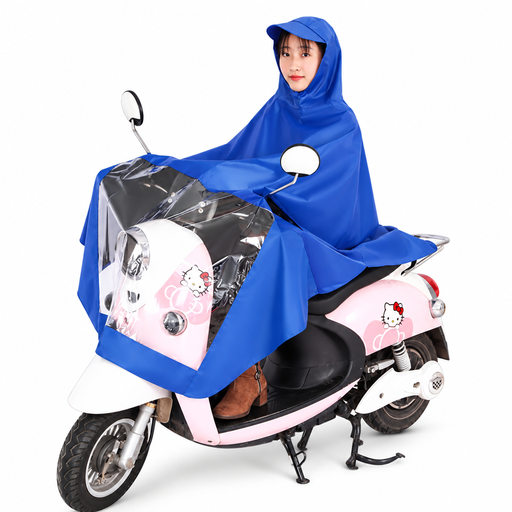
Why This Fits Their Persona: A straightforward option for occasional showers, commuting, travel and everyday outdoor errands where easy storage is important.
The reusable, foldable format addresses the problem of buying a bulky coat that is rarely carried. Check the listing for exact closure and seam details before purchase.
Hood, pockets and a supplied storage bag; suitable for hiking, fishing, cycling and travelling according to the product name.
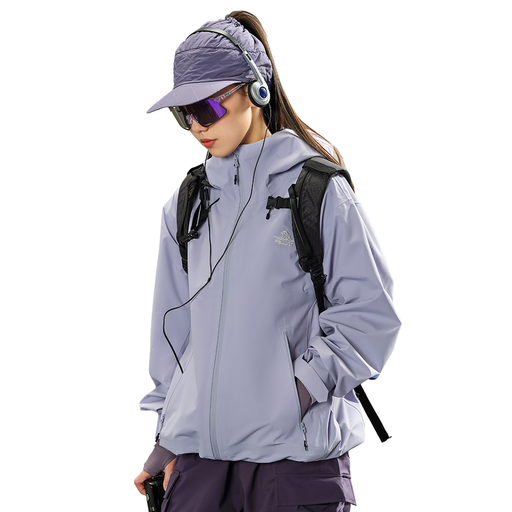
Why This Fits Their Persona: The hardshell format suits people seeking one outer layer for city commuting, water sports and more demanding mountain use.
The listing specifies a waterproof laminate, moisture-wicking lining and an abrasion-resistant outer fabric, giving buyers more useful information than a generic “rainproof” label.
Unisex fit, technical lining and size measurements from XS to XXL; the listing also states that the shell includes recycled content.
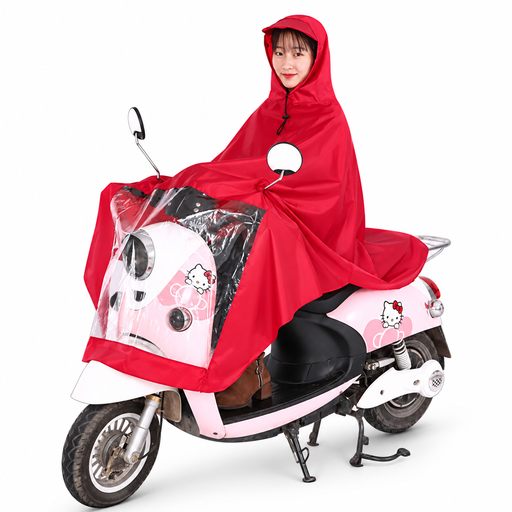
Why This Fits Their Persona: A poncho is practical for fishing, festivals, hiking and travel when broad coverage and quick deployment matter more than a close athletic fit.
The packable, reusable design helps avoid disposable emergency ponchos. Check the fit around arms and lower body if you need unrestricted movement on a bike.
Hood, pockets and storage bag; the loose shape can accommodate some clothing layers and selected backpacks.
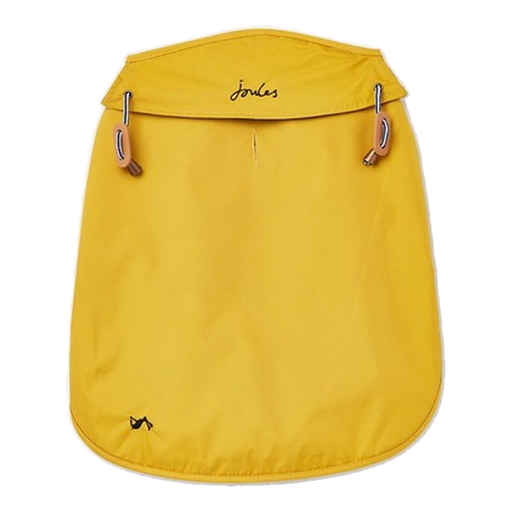
Why This Fits Their Persona: Designed for small dogs, this lightweight dog coat is intended for wet-weather walks while allowing normal movement when correctly fitted.
The instructions emphasise secure fastening, a comfortable fit and supervision. It should not be used if the dog chews clothing or shows discomfort.
Lightweight polyester construction, striped lining and toggle fastenings; listed specifically for small dogs.
Before ordering, compare:
For cycling, prioritise movement, visibility and coverage over a loose poncho shape. For hiking, leave room for layers and check whether the fabric is described as breathable. For fishing or water sports, focus on wind resistance, pocket security and how easily the garment can be removed when conditions improve.
We have compiled a complete, real-time list of products that fully satisfy these strict selection criteria and UK safety regulations.
Lifespan depends on frequency of use, abrasion, washing and the type of coating. Occasional commuters may use a garment for several seasons, while regular hikers may wear through finishes sooner. Clean it according to the label, avoid fabric softener where prohibited and reproof compatible outerwear when water stops beading on the surface.
A cycling waterproof jacket usually gives better control, arm movement and wind management. A poncho can provide wider coverage and pack quickly, but loose fabric may flap or catch in moving parts. For regular cycling, look for a shaped fit, secure cuffs and longer rear coverage.
Measure the dog’s chest, neck and back length, then compare those measurements with the product information. The coat should permit walking, sitting and toileting without rubbing or restriction. Supervise the dog while wearing it, remove it after the walk and never use a garment that the dog tries to chew.