
24/7 全天候客户支持

免费退货

当日/次日达

品质保障

开启新人专享福利: 全场免邮 | 低至 2 折 | 免费试用 30 天 JoyPlus 会员
下载 Joybuy
A day on the slopes can be made or broken by your gear. While we focus on skis, boards and boots, it's often a smaller item that causes the most trouble: your gloves. Cold, wet hands are more than just uncomfortable; they can cut your day short. The market is flooded with options, but many fall short when it matters most. Before you buy your next pair of waterproof ski gloves, let's look at the common pitfalls that lead to disappointment.
The first trap is the "water-resistant" label. This term is often used to describe a fabric with a simple coating that wears off. After a few falls in wet snow or a bit of sleet, these gloves become saturated, leaving your hands freezing. The second issue is vague insulation claims. A bulky glove doesn't automatically mean a warm glove. Many are filled with low-grade padding that compresses easily, losing its ability to trap air and keep you warm after just a few uses. Finally, many seemingly tough gloves fail at key stress points. Palms and fingers that aren't properly reinforced can quickly tear when handling sharp ski edges or grabbing tow ropes, forcing you to buy a new pair season after season.
To get it right, you need to look past the marketing and focus on the core components that deliver genuine performance.
Choosing the right pair of snowboarding gloves or ski gloves comes down to understanding a few key technical specifications. Paying attention to these details ensures you get a product that offers warmth, dryness and durability for seasons to come.
True waterproofing comes from an internal membrane, not just an external spray. Look for gloves that specify a TPU (Thermoplastic Polyurethane) waterproof membrane or a similar technology. This is a layer built inside the glove, between the outer shell and the insulation. It physically blocks water from reaching your hands while allowing moisture and sweat to escape, a critical feature for both comfort and warmth. A simple DWR (Durable Water Repellent) coating on the outside is a good first line of defence, but it's the internal membrane that provides lasting waterproof performance.
The type and quality of insulation determine how warm your hands will be. One of the most recognised materials in this space is 3M Thinsulate. This synthetic insulation is made of fine microfibres that trap more air in less space, making it highly effective without adding excessive bulk. This is why 3M Thinsulate gloves are popular; they provide excellent warmth while preserving the dexterity needed to adjust your boots, zip up your jacket or use your phone. When comparing gloves, check for the specific type of insulation used rather than settling for a generic "fleece-lined" description.
The palm is the highest-wear area of any ski glove. It's constantly in contact with poles, board edges and abrasive surfaces. To avoid premature tearing, look for gloves with reinforced palms. Materials like PU leather offer good grip, but for maximum longevity, consider Kevlar ski gloves. A Kevlar-reinforced palm provides exceptional resistance to cuts and abrasion, significantly extending the life of your gloves. Other practical features to look for include touchscreen winter gloves compatibility, usually on the thumb or forefinger, and adjustable wrist straps to seal out snow and cold air.
We've filtered through the options to find gear that addresses the common pitfalls by focusing on quality materials and practical design. Here are a few recommendations matched to different types of skiers and snowboarders.
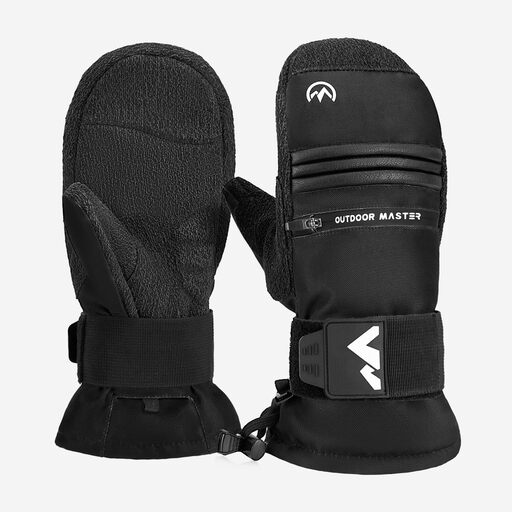
Why This Fits Their Persona: For the skier or snowboarder who is out on the mountain every weekend, durability is non-negotiable. This user needs a glove that can withstand constant use, from gripping icy poles to handling sharp board edges, without compromising on warmth or features.
It directly counters all three pitfalls: it uses a TPU waterproof membrane for true waterproofing, specifies high-quality 3M Thinsulate C40 insulation and features a Kevlar-reinforced palm to prevent premature wear and tear.
Exceptional durability for long-term use and practical features like three-finger touchscreen compatibility and zipper pockets for essentials like a lift pass or key.
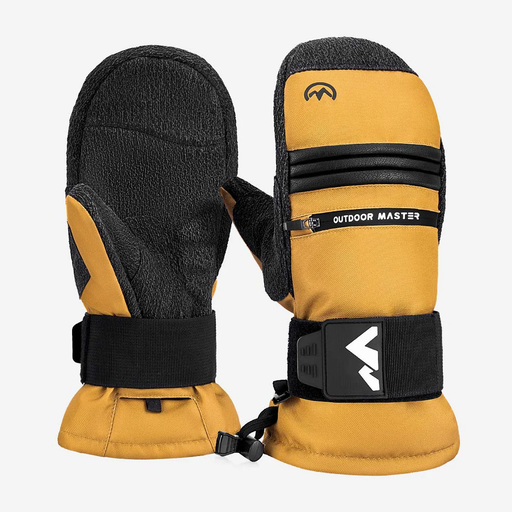
Why This Fits Their Persona: This individual prioritises warmth above all else, often choosing women's ski mittens or men's ski gloves in a mitten style because they keep fingers together for shared heat. They want a reliable, warm and durable option that still looks good on the slopes.
It avoids the insulation hype by using proven 3M insulation. The Kevlar palm ensures that this mitten doesn't sacrifice durability for warmth, a common issue with softer, less-reinforced mittens.
Offers the superior thermal efficiency of a mitten design combined with the high abrasion resistance of a Kevlar-reinforced palm, providing an ideal balance of warmth and longevity.
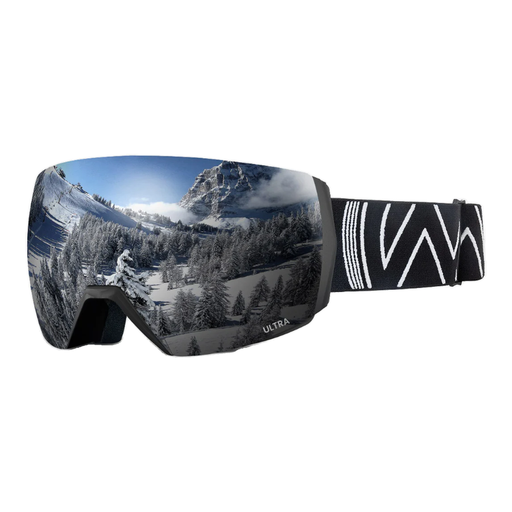
Why This Fits Their Persona: This user's gear must be as smart as their phone. They value convenience, performance and technology. For them, a quick-change lens system and compatibility with their prescription glasses are just as important as waterproofing on their gloves.
It avoids the common goggle trap of being stuck with one lens. As weather changes from bright sun to flat light, a single lens is inadequate. This bundle includes a spare lens and a magnetic quick-change system, ensuring optimal vision in all conditions.
Features a magnetic lens system for effortless swaps, high-contrast lens technology for clarity and an OTG (Over-The-Glasses) ski goggles design for those who wear prescription eyewear.
Once you have your hands and eyes protected, ensuring the rest of your equipment is organised and easy to transport is the final step. A dedicated ski boot bag can make the journey to and from the resort much smoother.
We have compiled a complete, real-time list of products that fully satisfy these strict selection criteria and UK safety regulations.
The most reliable method is to measure your hand. Most manufacturers provide a size chart that corresponds to your hand's circumference. To measure, wrap a flexible tape measure around your dominant hand just below the knuckles, excluding your thumb. Compare this measurement to the brand's chart. If you are between sizes or plan to wear a thin liner glove underneath, it's often wise to size up.
This comes down to personal preference and a trade-off between warmth and dexterity. Women's ski mittens and men's mittens are generally warmer because your fingers share a single compartment, generating and retaining more heat. However, gloves offer superior dexterity, making it easier to grip poles, adjust bindings or use zippers without taking them off. Some "three-finger" or "lobster" style gloves offer a compromise between the two.
The lifespan of your gloves depends on the quality of materials, frequency of use and how you care for them. A basic pair might only last a single season of frequent use before the waterproofing fails or the palm material wears through. However, a high-quality pair of Kevlar ski gloves with a proper waterproof membrane can last for several seasons of regular skiing or snowboarding, making them a much better long-term investment. Always follow the care instructions, which usually recommend air drying away from direct heat.