
24/7 Customer Support

Free returns

Same-day & Next-day Delivery

Quality Guaranteed

Unlock Your Welcome Offers: FREE Delivery | Up to 80% OFF | Free 30-day JoyPlus trial
Download the APP
A waterproof phone pouch can protect your smartphone from splashes, sand and accidental drops, but only when its seal and design match the activity. A pouch suitable for a rainy commute may not be appropriate for swimming, kayaking or repeated exposure to saltwater.
Before buying, look beyond bright colours and phrases such as “fully waterproof”. The most useful questions are: how has water protection been rated, will your phone fit with its case removed and can you still use the device when it is sealed?
A product described as a waterproof phone bag may be intended for rain and splashes rather than prolonged underwater use. Even an IPX8 phone pouch has a defined test condition, not a universal guarantee for every depth, duration or type of water.
For example, the White Label 2-in-1 pouch information specifies IPX8 protection and submersion at 10 metres for up to 30 minutes under the stated test conditions. This does not mean every IPX8 product has the same performance. Always read the product’s own depth and time information.
Transparent windows may support touchscreen use above the surface, but water pressure and moisture can reduce responsiveness underwater. If you plan to take photographs while swimming or snorkelling, start recording before submerging or use your phone’s physical buttons where possible.
A phone pouch with a clear front window is useful for checking notifications, maps or camera framing, but it should not be selected solely on the promise of full underwater control.
A secure closure is as important as the material. A poorly folded seal, trapped grain of sand or loose lanyard can create a weak point. Sharp keys, shells and abrasive surfaces may also damage the film.
Perform a tissue test before first use and repeat it periodically. Place a dry tissue inside, seal the pouch, submerge it for 10–30 minutes, then check that the tissue remains dry. This simple check is particularly important before taking a phone into a swimming pool, lake or sea.
The IPX8 rating relates to protection against water ingress during continuous immersion under conditions defined by the manufacturer or testing body. The “X” means the product does not provide a stated solid-particle rating in that code, so check the description separately for protection against sand and dust.
A product marketed as a 50m waterproof phone pouch should still be checked for its exact instructions. Do not treat “50m” in a product name as permission for diving or extended deep-water use unless the full specification explicitly supports that activity.
For recreational swimming, paddleboarding and beach use, look for:
Many universal designs accommodate phones up to around 6.7 inches, but screen size alone does not confirm compatibility. Camera bumps, a protective case and the pouch’s internal opening can affect the fit.
Measure your phone with its case removed if necessary, then compare those measurements with the listed internal dimensions. A pouch that is too tight may press against the closure, while excessive empty space can make touch control awkward.
A floating phone pouch can make a dropped phone easier to retrieve, although it should not be treated as a substitute for a secure grip. An adjustable lanyard is useful for poolside use, festivals, boat trips and family outings. Check whether it is detachable and whether the attachment point feels suitable for your intended activity.
For towels, clothing, snacks and other belongings, a phone pouch may be too small. A 10L waterproof dry bag or dry bag backpack provides more capacity, but the product’s stated water protection matters. The 10L PELLIOT bags listed below are described as highly water-repellent and suitable for light rain and splashes; this is different from a phone pouch designed for immersion.
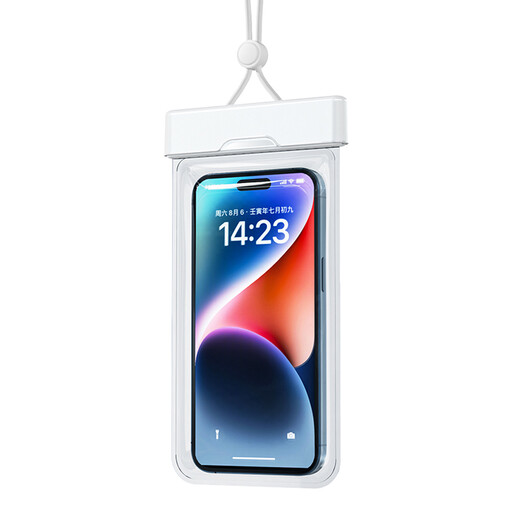
Why This Fits Their Persona: A straightforward option for occasional swimmers, beach visitors and people wanting protection during rainy UK days without carrying a larger bag.
Its instructions highlight tissue testing, careful sealing and reduced touchscreen responsiveness underwater, helping set realistic expectations.
Protects against water, sand, dust and snow; includes touchscreen-compatible construction and a lanyard.
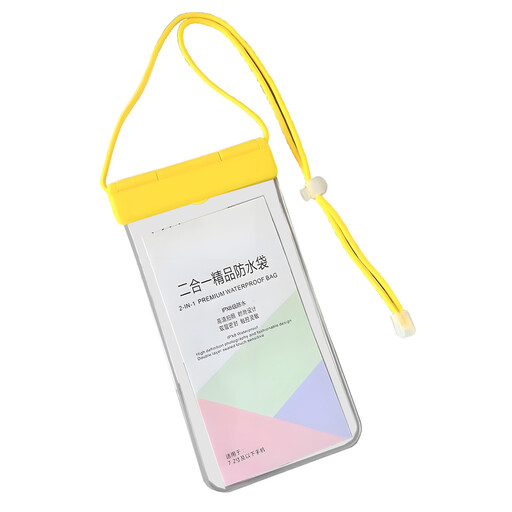
Why This Fits Their Persona: Suits active users who want one compact accessory for swimming, boating, hiking and everyday carrying, with high visibility on busy beaches or around a pool.
The stated IPX8 specification includes a defined 10-metre, 30-minute test condition, while the double-lock closure gives the seal two closing stages.
Fits most smartphones up to 6.7 inches; has a clear window, detachable lanyard and floatable design.
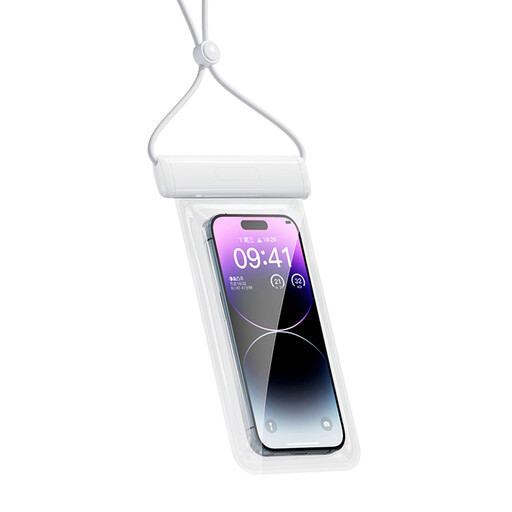
Why This Fits Their Persona: A practical match for users comparing a 50m waterproof phone pouch for swimming, snorkelling, boating and frequent outdoor trips.
The product guidance stresses tissue testing, seal checks, avoiding sharp objects and reduced underwater touchscreen performance rather than implying unlimited use.
Designed for water, sand, dust and snow protection; suitable for use with a lanyard during recreational activities.
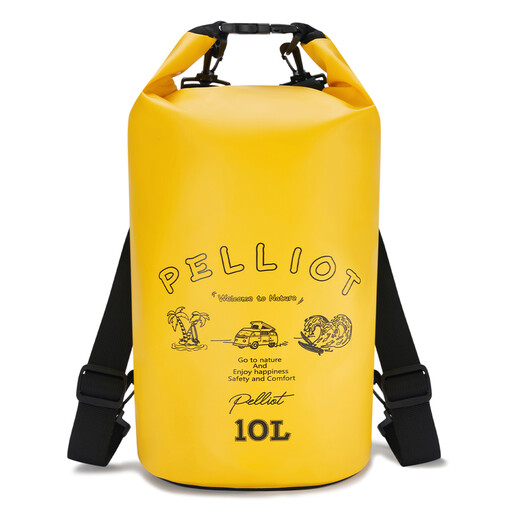
Why This Fits Their Persona: Better suited to hikers, cyclists, commuters and travellers carrying clothing or personal belongings alongside a phone pouch.
Its description states protection for light rain and splashes, making its intended water exposure clearer than an unqualified “waterproof” label.
10-litre capacity, roll-top or compression adjustment, packable construction and an emergency whistle.
We have compiled a complete, real-time list of products that fully satisfy these strict selection criteria and UK safety regulations.
You can use a suitable pouch for recreational swimming when its stated specifications match the activity and the seal has passed a tissue test. Underwater touchscreen operation may be unreliable, so start recording beforehand or use physical controls where available.
Test it before first use, after extended storage and whenever it has been dropped, exposed to grit or used frequently. Regular testing is sensible because sealing performance can change with wear, folding and repeated contact with salt or chlorine.