
24/7 Customer Support

Free returns

Same-day & Next-day Delivery

Quality Guaranteed

Unlock Your Welcome Offers: FREE Delivery | Up to 80% OFF | Free 30-day JoyPlus trial
Download the APP
Buying wax products can seem straightforward until you compare formulas designed for completely different materials. Car wax, ski wax, leather shoe wax and hair wax are not interchangeable, while wax-removal products require extra care around sensitive surfaces and the body.
The main challenge is separating useful specifications from broad marketing language. A practical buying decision starts with the intended surface, application method and safety information—not simply the size of the bottle or a promise of long-lasting results.
Wax is formulated to interact with a particular material. A product for painted carwork may contain polishing agents or solvents that are unsuitable for leather, furniture or hair. Likewise, ski wax and snowboard wax are designed for base materials and snow temperatures, not household polishing.
Always check the stated use. If the packaging does not clearly identify the compatible surface, choose a product with more specific instructions.
These are separate functions:
A car polish will not necessarily protect paint for an extended period, and car wax will not remove deep scratches. A scratch remover is generally intended for minor marks, swirls or paint transfer; deeper damage may require professional bodywork.
Even simple spray waxes need a clean surface. Applying wax over grit can spread contamination across paintwork, while using a tar and glue remover on a hot panel can affect the finish. Read the dwell time, drying instructions and surface warnings before starting.
For vehicle care, check whether the product is suitable for clear coat paintwork, metallic finishes, glass, alloy wheels or plastic trim. A car wax containing polishing agents may be useful for brightening paint, while a sealant spray may prioritise a quick application after washing.
For leather footwear, look for wording such as smooth leather and check whether the formula contains dyes. Coloured leather shoe wax can disguise scuffs, but it may stain surrounding fabrics or porous materials. Furniture finishing wax should match the paint or finish; for example, clear wax intended for painted furniture may leave a soft sheen and a water-repellent layer.
Hair products require a different check: hold level, finish, wash-out characteristics and ingredients. A wax stick is convenient for flyaways and precise styling, whereas a traditional hair wax can be easier to distribute through short or medium-length hair.
Ski and snowboard wax should be matched to the expected snow conditions. A broad temperature range can be useful for changing UK and European conditions, but application method matters too.
The OutdoorMaster Update Rub-on Ski Snowboard Wax is specified for snow from 2°C to -30°C. It is applied directly to a clean, dry base and smoothed with a cork, so it does not require an iron. This makes it more suitable for portable touch-ups than workshop-style hot waxing. Check the base is clean and dry, and remember that the wax can make surfaces slippery.
A 500ml spray may suit regular vehicle maintenance, while a 100ml scratch remover is more appropriate for occasional spot treatment. Consider whether you have the required cloths, applicators or machine.
For aerosol adhesive remover, check ventilation, flammability and disposal instructions. For an ear wax remover, read the medical-device or product label carefully. Do not use an ear-cleaning product where there is ear pain, infection or a perforated eardrum unless advised by a healthcare professional.
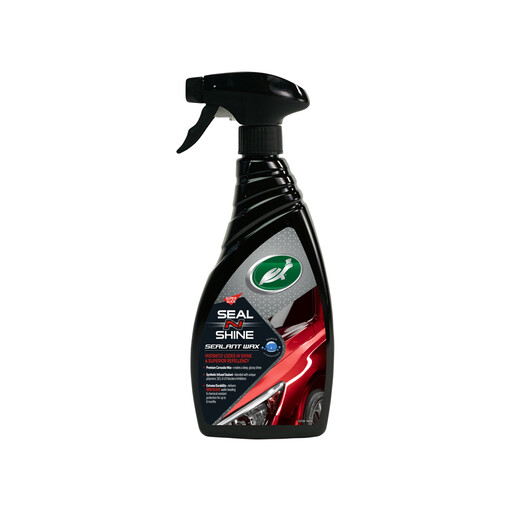
Why This Fits Their Persona: A practical option for UK motorists who want a straightforward post-wash application without specialist equipment.
It is used on a freshly washed, wet vehicle and rinsed panel by panel, helping avoid heavy buffing and residue build-up.
500ml format; spray-and-rinse use; suitable for exterior vehicle surfaces according to the product description.
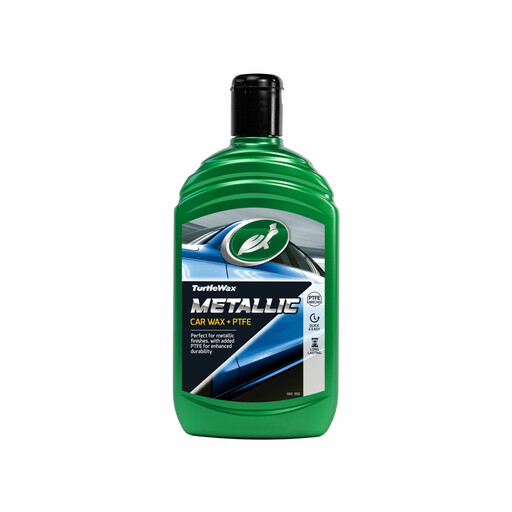
Why This Fits Their Persona: Suits drivers who are prepared to spend more time matching a product to metallic paintwork and maintaining a polished appearance.
The product description identifies both polishing agents and waxes, making its cleaning-and-protection role clearer than a generic gloss claim.
500ml size; intended for metallic finishes; described as requiring no hard buffing.
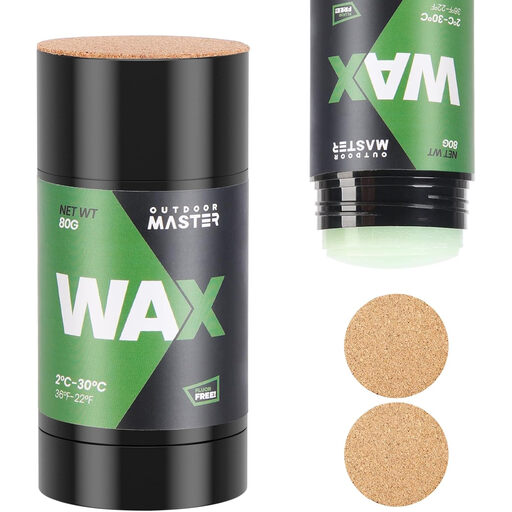
Why This Fits Their Persona: Designed for skiers and snowboarders who need portable waxing for trips, changing conditions or quick outdoor maintenance.
Its stated temperature range is 2°C to -30°C, while the rub-on format avoids the need to carry a waxing iron.
80g wax; three replacement corks; PFAS-free claim stated by the product information, with no independent certification provided.
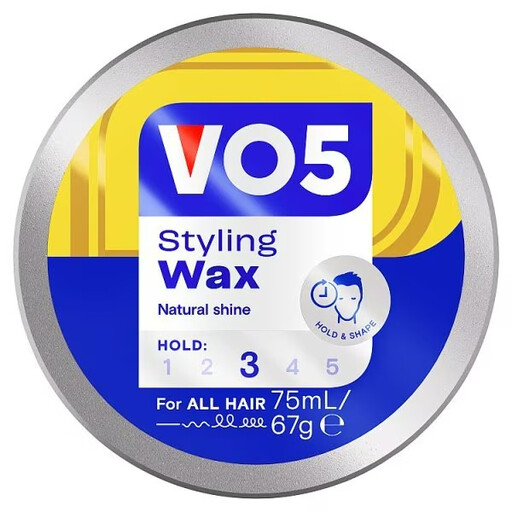
Why This Fits Their Persona: A compact everyday styling product for shoppers wanting controlled shape for short to mid-length hair without using a larger styling system.
The listed medium hold, natural shine and quick-rinse description makes it easier to compare with stronger or heavier waxes.
75ml size; level 3/5 hold; suitable for use on damp or dry hair.
For car cleaning products, wash away loose grit first and work in shade on a cool surface. Use a separate cloth for wheels and paintwork. When using a wheel cleaner, follow the label because acidic formulas may need controlled contact time and thorough rinsing.
For tar and glue remover or adhesive remover, test an unseen area first. Keep aerosols away from flames and heat, use ventilation and do not allow the product to dry on the surface. A fixed or rotary brush attachment can help with pressure-washer cleaning, but confirm connector compatibility before ordering.
For leather or furniture wax, apply a small amount to a hidden area and allow it to dry before treating the full surface. For hair wax, start with a small quantity and add gradually to avoid a heavy finish.
A home ear-wax camera or ear-care spray should not replace medical advice. Do not insert tools beyond the outer ear canal, stop if there is pain or dizziness, and follow the label’s age and usage restrictions.
We have compiled a complete, real-time list of products that fully satisfy these strict selection criteria and UK safety regulations.
Car polish usually contains abrasives intended to improve the appearance of light swirls, oxidation or minor marks. Car wax generally leaves a protective coating and can enhance gloss. Some products combine both functions, so check the label rather than assuming they are interchangeable.
The suitable interval depends on the formula, weather exposure, washing routine and surface. Use the manufacturer’s instructions as a starting point and reapply when water behaviour or finish changes. Avoid repeated abrasive polishing when only a protective wax layer is needed.
Usually not. Use ski wax on ski or snowboard bases, hair wax on hair, leather wax on compatible leather and furniture wax on the stated painted or finished surfaces. Always check compatibility and test a small area before wider application.