
24/7 Customer Support

Free returns

Same-day & Next-day Delivery

Quality Guaranteed

Unlock Your Welcome Offers: FREE Delivery | Up to 80% OFF | Free 30-day JoyPlus trial
Download the APP
A wearable breast pump can make expressing milk easier at home, at work or while travelling around the UK. However, convenience-focused marketing can hide practical compromises. A pump that appears compact may be difficult to clean, uncomfortable inside a bra or inconvenient when its battery runs low.
The right choice depends on more than suction strength. Fit, cleaning, power, capacity and whether you need a single or double breast pump all affect how useful it will be during everyday feeding.
A hands-free breast pump still needs correct positioning, a supportive nursing bra and a properly sized flange. If the nipple is not centred or the seal is incomplete, milk may leak and suction may feel inconsistent. Some models also have external tubing or motor units, so check the full design rather than relying on the word “wearable”.
Higher suction is not automatically more effective or comfortable. A useful electric breast pump should offer adjustable settings so you can find a level that feels manageable. Stop using a pump if it causes pain or unusual discomfort, and seek appropriate professional advice where necessary.
Milk-contact components need cleaning after every session according to the manufacturer’s instructions. A pump with several valves, seals and narrow channels can take longer to wash and dry. Silicone parts may also wear over time, reducing the seal and suction. Before buying, check whether replacement flanges, membranes and valves are available.
The flange, or breast shield, must suit your nipple size and shape. A 24mm shield is common, but it may not suit everyone. Some wireless breast pump models include inserts such as 17mm, 19mm and 21mm sizes, which can help create a more secure fit.
Look for:
A good seal supports consistent suction, but a close fit should not mean excessive pressure.
Many mothers compare a hands-free breast pump by counting modes and levels. These features are useful when they have a practical purpose. Stimulation mode is generally designed for the start of a session, while expression mode is intended for milk collection. Mixed or automatic modes can simplify operation.
Nine adjustable levels, for example, offer more choice than a pump with only one fixed setting. Nevertheless, the number of levels does not predict personal comfort or milk output. Select a model that lets you adjust gradually.
For a portable breast pump, battery performance matters when you are away from a socket. Check the stated operating time or session count, charging connection and whether the pump can also be used while connected to power.
Also consider:
A rechargeable breast pump can be convenient for commuting and travel, but remember to charge it before leaving home and keep electronic components away from water.
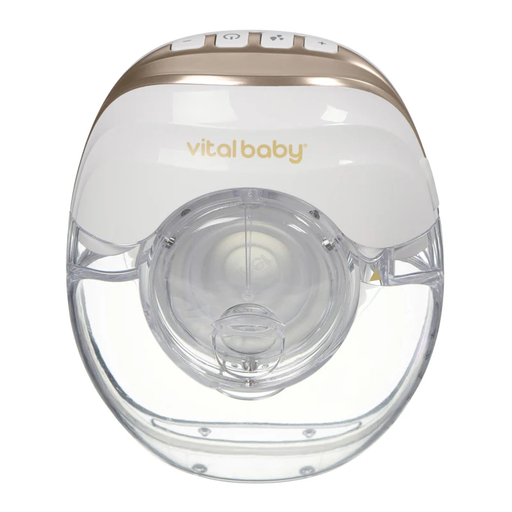
Why This Fits Their Persona: A practical option for a new mum who wants to try electric pumping but also values a manual back-up for days out or unexpected battery and power limitations.
The hybrid electric and manual format reduces reliance on one power source. Its soft silicone Flexcone and nine speed settings also provide adjustment rather than one fixed suction level.
Dual-phase expression, nine speed settings, a 150ml bottle and included manual handle.
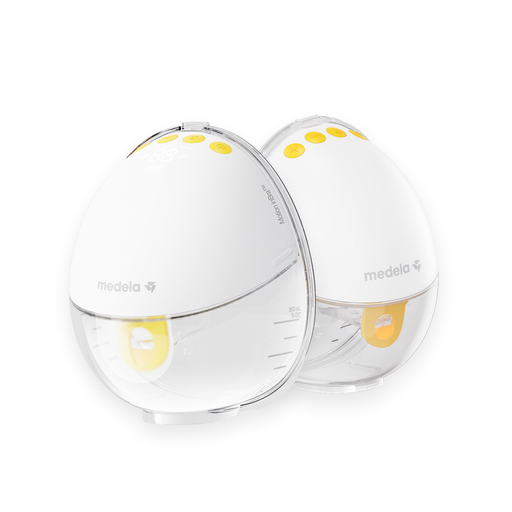
Why This Fits Their Persona: Suitable for breastfeeding mothers who want a double pump with a fit-focused design for regular expressing at home, in the office or while travelling.
The package includes a 24mm shield with 15mm, 18mm and 21mm inserts, helping shoppers address sizing rather than accepting a one-size design.
Double electric operation, nine adjustable suction levels, USB-C rechargeable battery and three detachable cleaning parts.
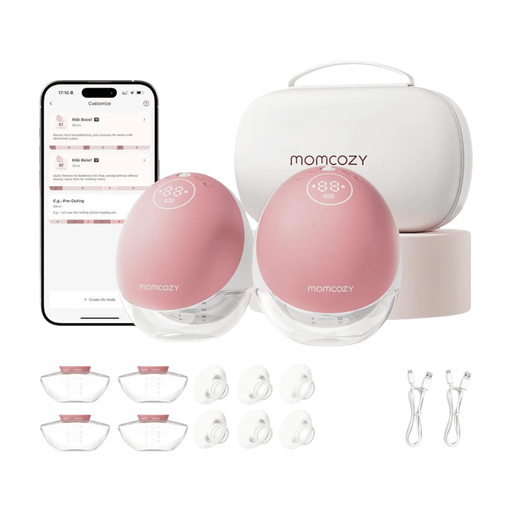
Why This Fits Their Persona: Designed for users who express frequently and want app control, two pump units and multiple fit options for managing a busy routine.
It addresses fit and control concerns with 17mm, 19mm, 21mm and 24mm options, smartphone pairing and up to 15 adjustable suction levels.
Double pack, app control, USB-C charging, storage case and four 150ml milk collectors.
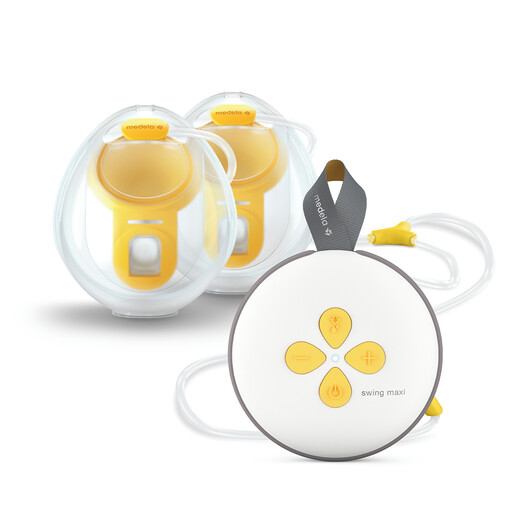
Why This Fits Their Persona: A double electric breast pump for working parents who want to express both sides while keeping the collection cups relatively light and straightforward to clean.
The transparent cups make nipple positioning and milk flow easier to see, while the three-part cup system limits the number of milk-contact components to handle.
Two collection cups, 76g cup weight per side and dishwasher-compatible components as specified by the product information.
We have compiled a complete, real-time list of products that fully satisfy these strict selection criteria and UK safety regulations.
A single breast pump is usually easier to carry and may cost less initially. It can suit occasional expressing, feeding routines where you alternate sides or parents who already have another pump.
A double breast pump collects milk from both breasts at the same time. This can make sense for frequent expressing or a fixed work routine, although it is typically larger and includes more parts. Compare the total package contents rather than assuming every “double pack” includes two complete wearable units.
For a discreet setup, check the cup profile, motor position, noise information and the type of bra required. “Discreet” is a fit and clothing consideration, not a guarantee that a pump will be invisible or silent.
It can be suitable for regular expressing if the flange fits correctly, the battery lasts through your routine and cleaning is manageable. For frequent use, prioritise replacement-part availability, collector capacity and a comfortable nursing-bra fit over appearance alone.
Battery life varies by model, setting and usage. The listed products provide different stated operating times, ranging from multiple sessions to around 180 minutes on a charge. Treat these figures as manufacturer specifications and allow extra time for charging between sessions.
The main ongoing costs are electricity, replacement silicone parts and any additional flanges or inserts. A pump with fewer washable parts may reduce daily effort, while a model with widely available replacement components can be easier to maintain over time. Compare these practical costs alongside the purchase price before selecting a breast pump for breastfeeding mothers.